Understanding Where are Your Kidneys located and how they function is essential for maintaining overall health. These small but powerful organs play a vital role in filtering waste, balancing fluids, and keeping your body functioning smoothly. In this article, we’ll explore the exact location of your kidneys, their structure, functions, and why keeping them healthy is so important.
Where Are Your Kidneys Located?
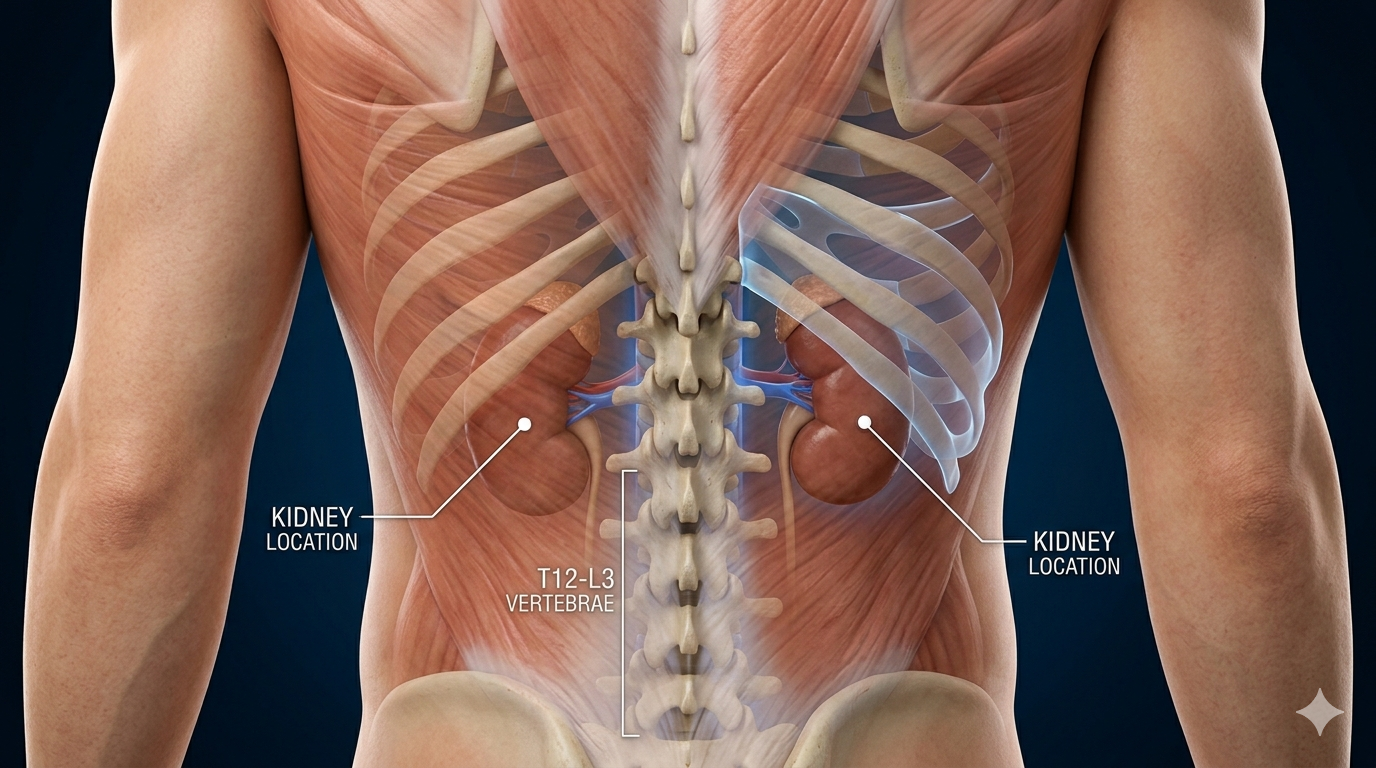
Your kidneys are two bean-shaped organs located in the back of your abdominal cavity. They sit on either side of your spine, just below your rib cage. Specifically, they are positioned between the levels of the 12th thoracic vertebra (T12) and the third lumbar vertebra (L3).
The right kidney is usually slightly lower than the left kidney because of the space occupied by the liver. Each kidney is about the size of a fist, measuring roughly 10–12 cm in length.
You won’t typically feel your kidneys unless there is an issue, such as infection or kidney stones, which may cause pain in the lower back or side.
Structure of the Kidneys
Each kidney has a complex internal structure designed for efficient filtration. The outer part is called the cortex, while the inner region is known as the medulla. Inside, millions of tiny filtering units called nephrons work continuously to clean your blood.
Blood enters the kidneys through the renal arteries and leaves via the renal veins. The waste products filtered out form urine, which travels through tubes called ureters to the bladder.
What Do the Kidneys Do?
The kidneys perform several essential functions that are crucial for survival:
1. Filter Waste from Blood
The primary role of the kidneys is to remove toxins and waste products from the bloodstream. These wastes come from food, medications, and normal body processes.
2. Balance Fluids
Kidneys regulate the amount of water in your body. They ensure that you stay hydrated without retaining too much fluid.
3. Control Blood Pressure
By managing fluid levels and releasing hormones, the kidneys help maintain healthy blood pressure.
4. Regulate Electrolytes
They keep the balance of essential minerals like calcium, potassium, and sodium.
5. Produce Hormones
Kidneys produce hormones that help in red blood cell production and bone health.
Signs of Kidney Problems
Since the kidneys are located deep inside the body, problems may not be obvious at first. However, some common symptoms include:
- Pain in the lower back or sides
- Swelling in hands, feet, or face
- Fatigue and weakness
- Changes in urination (frequency, color, or pain)
- High blood pressure
If you notice any of these symptoms, it’s important to seek medical advice.

How to Keep Your Kidneys Healthy
Maintaining kidney heaMaintaining healthy kidneys is crucial for general well-being. Here are some practical tips:
Stay Hydrated
Drinking enough water helps the kidneys flush out toxins effectively.
Eat a Balanced Diet
Include fruits, vegetables, whole grains, and lean proteins. Limit salt and processed foods.
Exercise Regularly
Maintaining a healthy blood pressure and weight is aided by physical activity.
Avoid Excess Medication
Overuse of painkillers and certain drugs can damage the kidneys.
Monitor Blood Sugar and Blood Pressure
Conditions like diabetes and hypertension are leading causes of kidney disease.
So, Where are Your Kidneys? Your kidneys are located just below your rib cage on either side of your spine, quietly performing vital tasks every day. From filtering waste to balancing fluids and controlling blood pressure, these organs are essential for life. By understanding where your kidneys are and how they function, you can take better steps to protect them and maintain long-term health.
Liver Cancer Symptoms Cause and Remedy
Read Also: Medical Website Design