Low carb foods have become increasingly popular for people looking to lose weight, improve metabolic health, and maintain steady energy levels. A low carbohydrate diet focuses on reducing the intake of sugars and starches while emphasizing protein, healthy fats, and nutrient-rich vegetables. This approach not only supports weight management but also helps regulate blood sugar levels and improve overall well-being.
What Are Low Carb Foods?
Low carb foods are items that contain minimal carbohydrates, particularly refined sugars and processed grains. Instead, they are rich in protein, fiber, and healthy fats. These foods help the body burn fat for energy instead of relying on glucose, making them ideal for those following diets like keto or Atkins.
Common examples include leafy greens, eggs, meat, fish, nuts, and dairy products. By reducing carb intake, the body enters a state where it becomes more efficient at burning stored fat.
Benefits of Low Carb Diet
1. Supports Weight Loss
One of the main reasons people choose low carb foods is for weight loss. Reducing carbs lowers insulin levels, which encourages the body to burn stored fat. It also helps reduce appetite, leading to fewer calorie intakes.
2. Controls Blood Sugar Levels
People with diabetes or insulin resistance benefit greatly from low-carb diets. By limiting sugar intake, blood glucose levels remain more stable, reducing the risk of spikes and crashes.
3. Improves Heart Health
Consuming healthy fats and avoiding processed carbs can improve cholesterol levels. Low carb foods may increase HDL (good cholesterol) and reduce triglycerides, supporting cardiovascular health.
4. Boosts Energy Levels
Unlike high-carb diets that cause energy crashes, low carb foods provide sustained energy throughout the day. This helps improve focus, productivity, and overall performance.
Best Low Carb Foods to Include
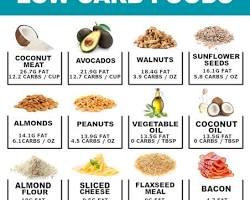
1. Vegetables
Non-starchy vegetables are excellent low carb options. Spinach, broccoli, cauliflower, zucchini, and bell peppers are all high in vitamins and fiber but low in carbohydrates.
2. Protein Sources
Protein is essential in a low carb diet. Include foods like eggs, chicken, beef, fish, and tofu. These foods keep you full for longer and support muscle growth.
3. Healthy Fats
Healthy fats are a key component of low carb eating. Avocados, olive oil, nuts, and seeds provide essential nutrients and help maintain energy levels.
4. Dairy Products
Cheese, yogurt, and butter are good low carb options when consumed in moderation. They also provide calcium and protein.
5. Fruits (Low Sugar)
While many fruits are high in sugar, some low carb options include berries such as strawberries, blueberries, and raspberries.
Foods to Avoid
To maintain a low carb lifestyle, it is important to avoid or limit certain foods:
- Sugary beverages like soda and fruit juices
- Refined grains such as white bread and pasta
- Sweets, cakes, and pastries
- Processed snacks like chips and crackers
These foods can increase blood sugar levels and hinder weight loss progress.
Tips for Following a Low Carb Diet
- Plan your meals in advance to avoid high-carb temptations
- Read food labels carefully to check hidden sugars
- Stay hydrated and include enough fiber in your diet
- Gradually reduce carbs instead of eliminating them suddenly
Following a low–carb diet requires consistency. Small, sustainable changes often lead to long-term success.
Low carb foods offer a powerful way to improve health, manage weight, and maintain steady energy levels. By focusing on whole, nutrient-dense foods and avoiding processed carbohydrates, you can create a balanced and sustainable diet. Whether your goal is weight loss or better health, incorporating low carb foods into your daily routine can make a significant difference.
Liver Cancer Symptoms Cause and Remedy
Read Also: Medical Website Design