
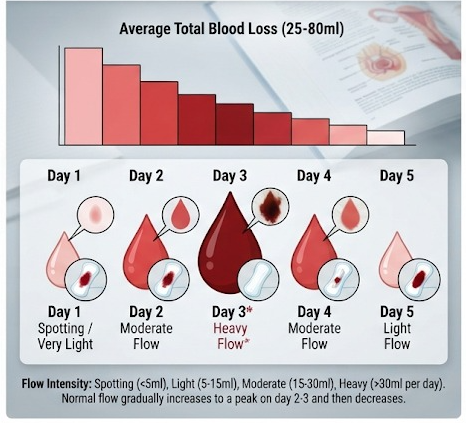
Menstruation is a natural part of a woman’s reproductive health, yet many people still wonder what is a normal menstrual flow. Every woman’s body is different, and periods can vary in duration, color, and intensity. Understanding what is considered normal can help you identify changes in your menstrual cycle and know when it might be time to consult a healthcare professional.
In this article, we’ll explain what normal menstrual flow looks like, the factors that affect it, and when heavy or light bleeding may signal an underlying issue.
What Is Menstrual Flow?
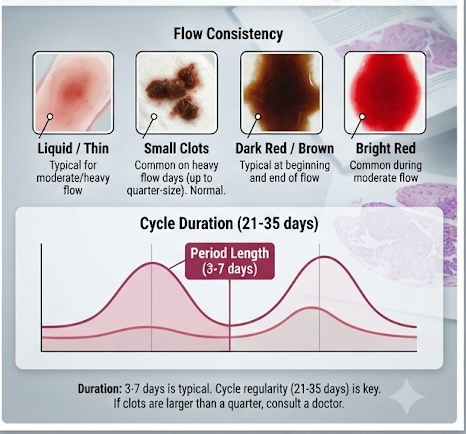
Menstrual flow is the shedding of the uterine lining that occurs when pregnancy does not happen during a menstrual cycle. This blood and tissue exit the body through the vagina and usually occur once every 21 to 35 days, with the average cycle lasting 28 days.
The menstrual period itself typically lasts 3 to 7 days, although slight variations are completely normal.
What Is Considered a Normal Menstrual Flow?
A normal menstrual flow generally includes:
- Lasts between 3 and 7 days
- Total blood loss ranges from 30 to 80 milliliters
- Necessitates replacing a pad or tampon every 3 to 4 hours.
- Starts heavier during the first two days and gradually becomes lighter
- May include small blood clots that are no larger than a coin
Many women mistakenly believe they lose a large amount of blood during their period. In reality, most menstrual fluid also contains mucus, uterine tissue, and vaginal secretions.
Signs of a Healthy Menstrual Cycle
A healthy menstrual cycle often has predictable characteristics. These include:
Regular Timing
Your period arrives roughly every month, although a few days earlier or later is generally normal.
Moderate Bleeding
You should not soak through a sanitary pad or tampon every hour. Bleeding should be manageable with regular menstrual products.
Mild Cramping
Some discomfort is expected, especially during the first couple of days. However, severe pain that interferes with daily activities is not considered normal.
Consistent Flow Pattern
Most women experience heavier bleeding during the first two days, followed by lighter spotting until the period ends.
What Can Affect Menstrual Flow?
Several factors influence menstrual flow, including:
Age
Teenagers often have irregular or unpredictable periods because hormones are still stabilizing. Likewise, women approaching menopause may notice changes in flow and cycle length.
Hormonal Changes
Hormonal imbalances involving estrogen and progesterone can make periods heavier, lighter, or irregular.
Stress
Physical and emotional stress can temporarily affect hormone production, leading to delayed or lighter periods.
Diet and Exercise
Extreme dieting, rapid weight loss, obesity, or excessive exercise may influence menstrual flow by altering hormone levels.
Birth Control
Hormonal contraceptives frequently reduce menstrual bleeding, while some may cause spotting between periods.
When Is Menstrual Flow Too Heavy?
Heavy menstrual bleeding, also called menorrhagia, may require medical evaluation. Symptoms include:
- Soaking through one or more pads or tampons every hour
- Bleeding that lasts longer than seven days
- Passing large blood clots frequently
- Needing to change menstrual protection during the night
- Feeling tired or dizzy due to blood loss
Heavy periods can result from hormonal disorders, uterine fibroids, polyps, thyroid problems, or bleeding disorders.
When Is Menstrual Flow Too Light?
A light menstrual flow is not always a cause for concern. It may occur because of:
- Pregnancy
- Stress
- Hormonal birth control
- Low body weight
- Polycystic ovary syndrome (PCOS)
- Perimenopause
If your period suddenly becomes much lighter than usual for several months, it’s a good idea to speak with a healthcare provider.
Tips for Tracking Your Menstrual Flow
Monitoring your menstrual cycle helps you recognize what’s normal for your body. Consider:
- Recording the start and end date of each period
- Tracking the number of pads or tampons used
- Noting blood color and clot size
- Recording cramps, mood changes, and other symptoms
- Using a period tracking app for easier monitoring
Maintaining a menstrual journal can assist physicians in more precisely identifying any issues related to reproductive health.
When Should You See a Doctor?
Seek medical advice if you experience:
- Periods lasting longer than seven days
- Extremely heavy bleeding
- Severe pelvic pain
- Bleeding between periods
- Missing periods without pregnancy
- Sudden major changes in your menstrual cycle
Early evaluation can identify conditions that are easier to treat when diagnosed promptly.
Understanding what is a normal menstrual flow is an important step toward maintaining good reproductive health. A normal period usually lasts 3 to 7 days, follows a regular cycle, and involves moderate bleeding that gradually decreases over time. Every woman has a unique menstrual pattern, so learning what is normal for your body is essential. If you notice significant changes in your flow, severe pain, or unusually heavy bleeding, don’t ignore the symptoms. Consulting a healthcare professional can help identify any underlying conditions and ensure your menstrual health remains on track.
Liver Cancer Symptoms Cause and Remedy
Read Also: Medical Website Design