Ovulation is one of the most important stages of the menstrual cycle, especially for women who are trying to conceive or avoid pregnancy naturally. However, many people misunderstand how long ovulation actually lasts and when the chances of pregnancy are highest. Understanding the ovulation process can help you better track your fertility, recognize your body’s signals, and make informed reproductive health decisions.
What Is Ovulation?
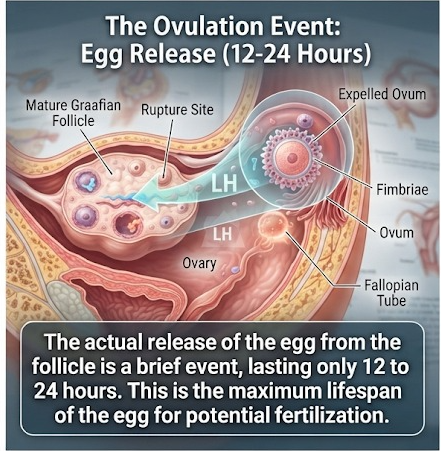
Ovulation is the process in which a mature egg is released from one of the ovaries. This usually occurs around the middle of the menstrual cycle, although the exact timing varies depending on the length and regularity of a woman’s cycle.
Once released, the egg travels into the fallopian tube, where it may be fertilized by sperm. If fertilization does not occur, the egg breaks down naturally, and menstruation begins about two weeks later.
How Long Does Ovulation Last?
The actual ovulation process lasts only about 12 to 24 hours. After the ovary releases the egg, it remains viable for approximately one day. If sperm is present during this period, fertilization can occur. If not, the egg dissolves and is absorbed by the body.
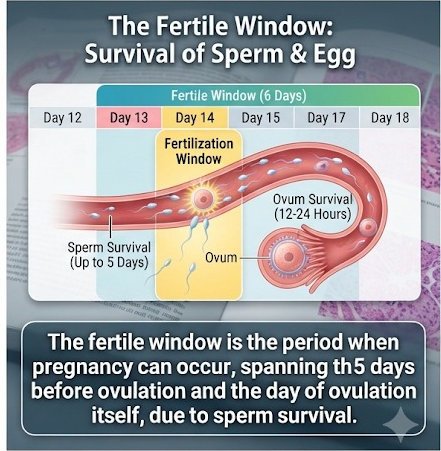
Although ovulation itself is short-lived, your fertile window lasts much longer because sperm can survive inside the female reproductive tract for up to five days under ideal conditions.
Understanding Your Fertile Window
Your fertile window includes:
- Five days before
- The day of
- Sometimes up to 24 hours after
This means your total fertile window is approximately six days. Having intercourse during these days offers the highest chance of conception.
For example, if you ovulate on Day 14 of a 28-day cycle, your fertile window generally extends from Day 9 through Day 14.
Common Signs of Ovulation
Many women notice physical and hormonal changes during ovulation. These signs can help identify the most fertile days.
1. Changes in Cervical Mucus
One of the most reliable signs is cervical mucus becoming clear, slippery, and stretchy, resembling raw egg whites. This consistency helps sperm travel more easily toward the egg.
2. Mild Pelvic Pain
Some women experience a slight pain or cramp on one side of the lower abdomen. This is known as mittelschmerz and usually lasts only a few hours.
3. Increased Basal Body Temperature
After ovulation, progesterone causes a small rise in basal body temperature, typically between 0.3°C and 0.6°C. Tracking this daily can help identify ovulation patterns over time.
4. Increased Libido
Many women naturally experience a higher sex drive during their fertile window due to hormonal changes.
5. Breast Tenderness
Hormonal fluctuations may also cause mild breast sensitivity or tenderness around ovulation.
Factors That Can Affect Ovulation
Several lifestyle and health factors can influence when or whether ovulation occurs.
Stress
Physical or emotional stress may delay or even prevent ovulation during a cycle.
Hormonal Disorders
Conditions such as polycystic ovary syndrome (PCOS), thyroid disorders, and elevated prolactin levels can interfere with regular ovulation.
Weight Changes
Being significantly underweight or overweight can affect hormone production and menstrual regularity.
Age
Female fertility gradually declines with age, especially after age 35, making ovulation less predictable over time.
How to Track Ovulation
If you’re trying to conceive, tracking ovulation can improve your chances of pregnancy.
Effective methods include:
- Monitoring cervical mucus
- Recording basal body temperature daily
- Using ovulation predictor kits (OPKs)
- Tracking menstrual cycles with fertility apps
- Consulting a healthcare provider for ultrasound monitoring if needed
Combining multiple tracking methods often provides the most accurate results.
Can You Get Pregnant Outside Ovulation?
Pregnancy is unlikely outside the fertile window, but it’s still possible if ovulation occurs earlier or later than expected. Since sperm can survive for several days, intercourse before ovulation can still lead to conception once the egg is released.
Women with irregular cycles may find it more difficult to predict ovulation accurately, making natural family planning less reliable without careful monitoring.
So, how long does ovulation last? The answer is relatively simple: the egg survives for only 12 to 24 hours after release. However, because sperm can remain alive for up to five days, the fertile window spans about six days. Understanding your menstrual cycle, recognizing ovulation signs, and tracking fertility can help whether you’re planning a pregnancy or simply learning more about your reproductive health.
Liver Cancer Symptoms Cause and Remedy
Read Also: Medical Website Design