One of the most valuable natural resources on Earth is water. As populations continue to grow and climate change affects water availability, the importance of Water Science and Technology has increased significantly. Water science focuses on understanding water systems, while water technology involves developing innovative solutions for water purification, conservation, treatment, and distribution. Together, they play a critical role in ensuring sustainable water management for future generations.
Understanding Water Science
Water science is the study of the physical, chemical, and biological properties of water. Scientists analyze how water moves through rivers, lakes, oceans, and underground systems. They also study water pollution, rainfall patterns, groundwater levels, and the impact of human activities on aquatic ecosystems.
Hydrology, environmental science, and oceanography are major branches of water science. Researchers use advanced monitoring systems, satellite imaging, and laboratory testing to understand water quality and availability. This scientific knowledge helps governments and industries create better water management strategies.
Importance of Water Technology
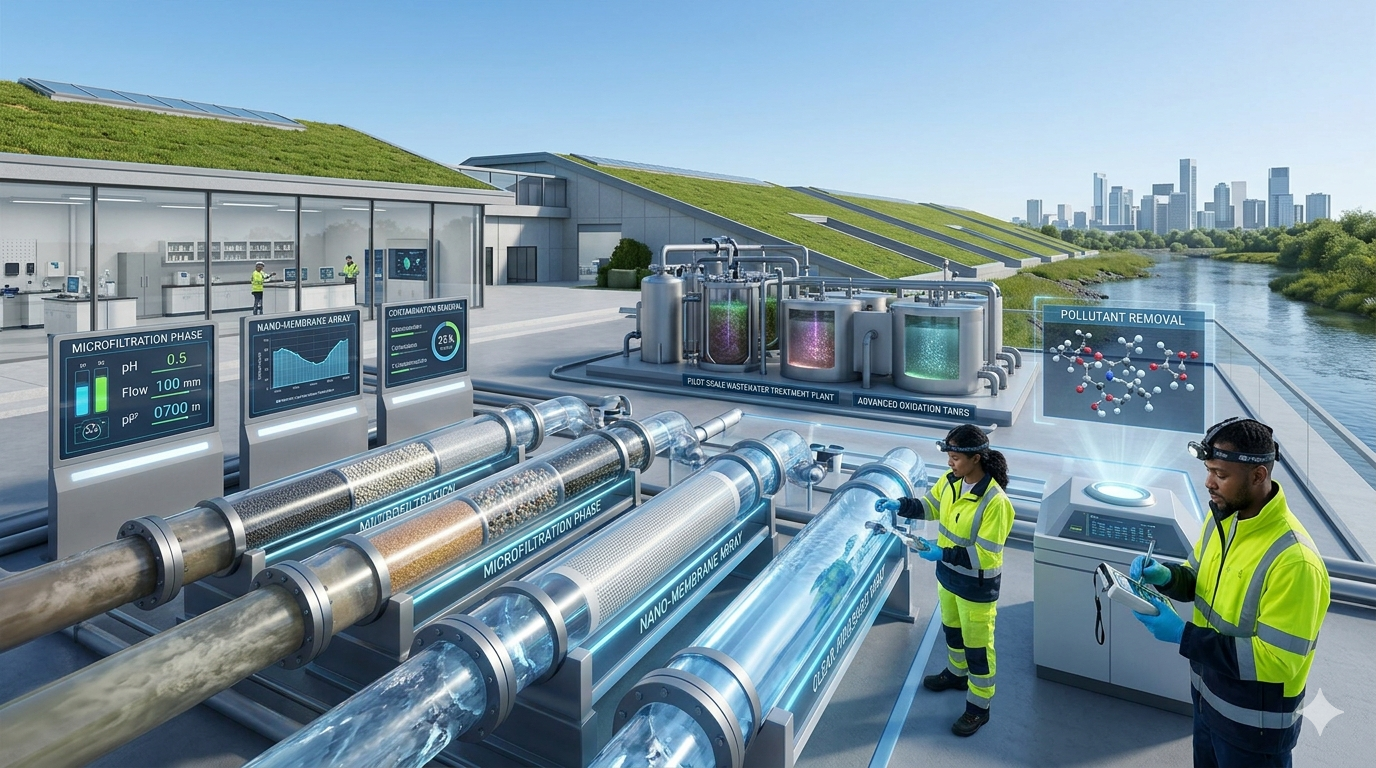
Water technology refers to the tools, equipment, and systems used to improve water quality and supply. Modern technology has transformed how people access clean and safe drinking water. Advanced filtration systems, desalination plants, and wastewater recycling technologies are helping solve global water shortages.
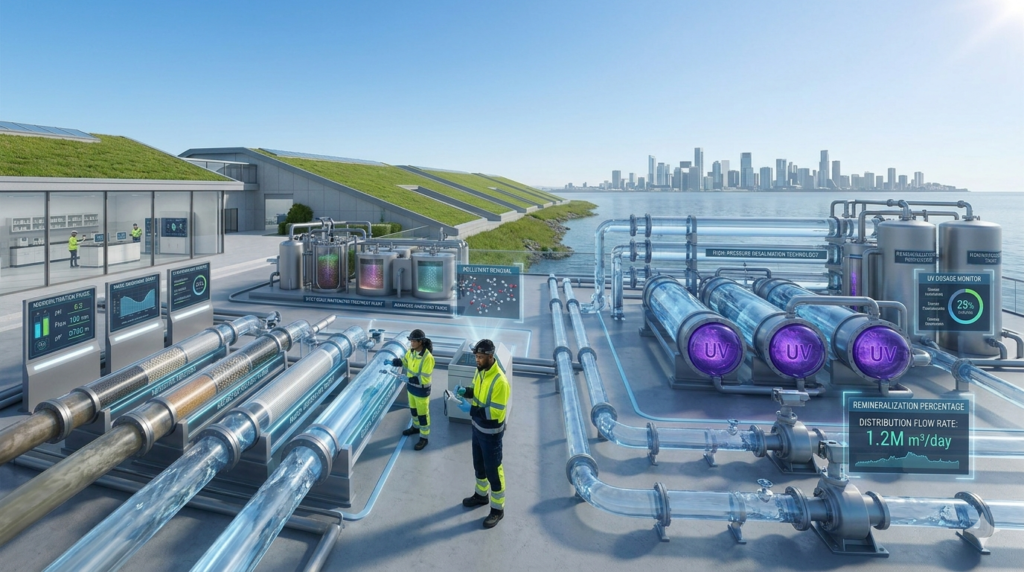
One of the most important developments in water technology is water purification. Technologies such as reverse osmosis, ultraviolet disinfection, and activated carbon filtration remove harmful contaminants from water. These systems are widely used in homes, industries, and municipal water treatment plants.
Smart water management systems are also becoming increasingly popular. Sensors and Internet of Things (IoT) devices help monitor water usage, detect leaks, and reduce wastage. These innovations improve efficiency and lower operational costs.
Role of Water Science in Environmental Protection
Water science plays a vital role in protecting the environment. Pollution from factories, agriculture, and urban waste can damage rivers, lakes, and oceans. Scientists continuously monitor water bodies to detect contamination and assess ecosystem health.
Wastewater treatment technology helps prevent polluted water from entering natural environments. Modern treatment plants remove chemicals, bacteria, and harmful substances before water is released back into rivers or reused for irrigation.
Additionally, water science helps in managing floods and droughts. Climate scientists use predictive models and weather data to forecast extreme weather conditions. This information allows governments to prepare for disasters and protect communities.
Innovations in Water Technology
Innovative technologies are changing the future of water management. Desalination technology converts seawater into freshwater, making it possible for dry regions to access drinking water. Countries with limited freshwater resources increasingly rely on desalination plants.
Another major innovation is wastewater recycling. Treated wastewater can be reused for agriculture, industrial operations, and even drinking purposes in some advanced systems. This reduces pressure on natural water resources.
Artificial intelligence and data analytics are also improving water management. AI-powered systems can predict water demand, identify pipeline failures, and optimize treatment processes. These smart solutions increase sustainability and efficiency.
Rainwater harvesting systems are becoming popular in urban and rural areas. These systems collect and store rainwater for household and agricultural use, helping reduce dependency on groundwater.
Challenges in Water Management
Despite technological advancements, many challenges remain. Water scarcity affects millions of people worldwide. Rapid urbanization, industrial growth, and climate change continue to increase pressure on freshwater supplies.
Water pollution is another major issue. Plastic waste, chemicals, and untreated sewage contaminate water sources, affecting both human health and aquatic life. In many developing regions, access to safe drinking water is still limited.
High infrastructure costs can also slow the adoption of advanced water technologies. Governments and private organizations must invest in sustainable water systems to meet future demand.
Future of Water Science and Technology
The future of water science and technology looks promising. Researchers are developing energy-efficient purification systems, eco-friendly treatment methods, and advanced recycling technologies. Smart cities are integrating digital water management systems to improve sustainability.
Public awareness and international cooperation are also essential for solving global water challenges. Education, innovation, and responsible water usage will help create a more sustainable future.
Water Science and Technology are essential for protecting water resources and ensuring access to clean water worldwide. Scientific research and modern innovations continue to improve water quality, conservation, and distribution systems. As global water challenges increase, investing in sustainable water technologies will become more important than ever. By combining science, innovation, and responsible management, societies can secure safe and reliable water resources for future generations.
Effects of AI in Upcoming Technology
Manhole – Essential Access Points in Urban Infrastructure
RCPC Manhole Covers and Frames
Read Also : Social Network Website Design