Emotional manipulation is a subtle form of psychological control that can leave people feeling confused, guilty, and emotionally drained. Unlike open conflict, manipulation often happens quietly, making it difficult to recognize until it begins affecting your confidence and relationships. Learning to identify emotional manipulation signs is the first step toward protecting your mental health and building healthier connections with others.
What Is Emotional Manipulation?
Emotional manipulation is a behavior where someone uses emotions to influence, control, or exploit another person for personal gain. Manipulators might employ guilt, fear, embarrassment, or love as tactics to achieve their goals. This behavior can occur in romantic relationships, friendships, families, or workplaces.
While everyone may unintentionally influence others from time to time, emotional manipulation becomes harmful when it is repeated and intentionally used to control someone’s decisions or emotions.
Common Signs of Emotional Manipulation
Recognizing the warning signs can help you respond before the situation becomes more damaging.
1. Constant Guilt-Tripping
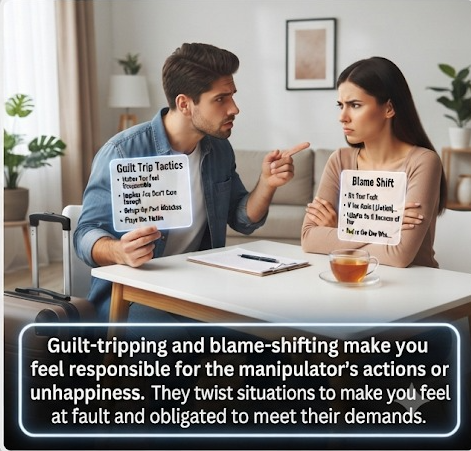
A manipulative person often makes you feel guilty for setting boundaries or making decisions that benefit you. They may say things like, “After everything I’ve done for you,” to pressure you into giving in.
2. Gaslighting
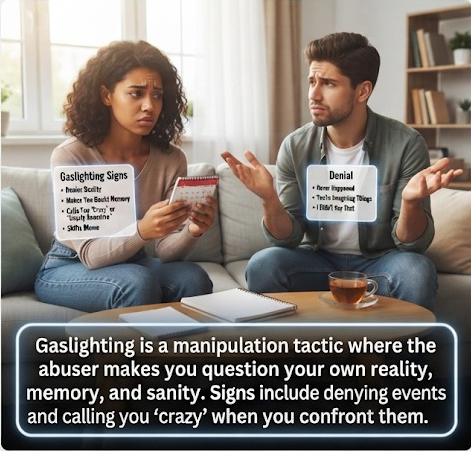
Gaslighting is when someone causes you to doubt your own memory, perception, or judgment. The manipulator may deny things they previously said or claim you’re “overreacting,” causing you to doubt yourself over time.
3. Playing the Victim
Instead of accepting responsibility, emotional manipulators frequently portray themselves as the victim. This shifts attention away from their behavior and encourages others to sympathize with them.
4. Silent Treatment
Ignoring messages, refusing to communicate, or withdrawing affection can be used as punishment. The silent treatment is often intended to pressure someone into apologizing or changing their behavior.
5. Excessive Flattery Followed by Criticism
Manipulators may shower you with compliments initially to build trust. Once they gain emotional influence, they may suddenly become critical or dismissive, creating emotional confusion and dependence.
Why Emotional Manipulation Is Harmful
Emotional manipulation can gradually damage your self-esteem and emotional stability. Victims often begin doubting their instincts, apologizing unnecessarily, and prioritizing the manipulator’s needs over their own.
Long-term exposure may contribute to:
- Increased anxiety and stress
- Reduced self-confidence
- Emotional exhaustion
- Difficulty trusting others
- Unhealthy relationship patterns
Recognizing these effects early can help prevent deeper emotional harm.
How to Protect Yourself
You cannot always control another person’s behavior, but you can control how you respond.
Set Healthy Boundaries
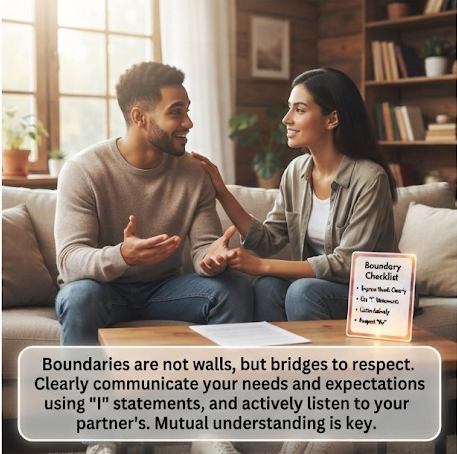
Clearly convey the behaviors that are acceptable and unacceptable. Healthy boundaries create mutual respect and reduce opportunities for manipulation.
Trust Your Instincts
If a conversation consistently leaves you feeling guilty, confused, or emotionally pressured, take those feelings seriously. Your emotional responses can provide valuable insight.
Avoid Reacting Emotionally
Manipulators often seek emotional reactions. Taking time to think before responding can help you make rational decisions instead of acting under pressure.
Seek Outside Perspective
Talking to trusted friends, family members, or a mental health professional can provide objective feedback and help you recognize unhealthy relationship patterns.
Learn to Say No
Saying no without excessive explanation is an important life skill. You are not responsible for managing someone else’s emotional reactions to your reasonable boundaries.
Can Emotional Manipulators Change?
Change is possible if a person genuinely acknowledges their behavior, accepts responsibility, and actively works to improve through self-reflection or professional counseling. However, lasting change requires consistent effort. Empty promises without behavioral improvement are often another form of manipulation.
Building Healthier Relationships
Healthy relationships are built on honesty, trust, empathy, and mutual respect. Both individuals should feel safe expressing opinions, setting boundaries, and making independent decisions without fear of punishment or guilt.
Pay attention to how someone makes you feel over time rather than focusing only on their words. Consistent respect and open communication are stronger indicators of a healthy relationship than occasional grand gestures.
Identifying emotional manipulation signs empowers you to protect your emotional well-being and make healthier relationship choices. Identifying actions like guilt manipulation, gaslighting, playing the victim, and giving the silent treatment enables you to react with assurance instead of uncertainty. Remember that healthy relationships encourage respect, trust, and honest communication—not fear, control, or emotional pressure. Prioritizing your mental health and maintaining strong personal boundaries will help you build relationships that are supportive, balanced, and emotionally fulfilling.
Private Places for Couples in Kolkata
Read Also: Adult Toys Website Design