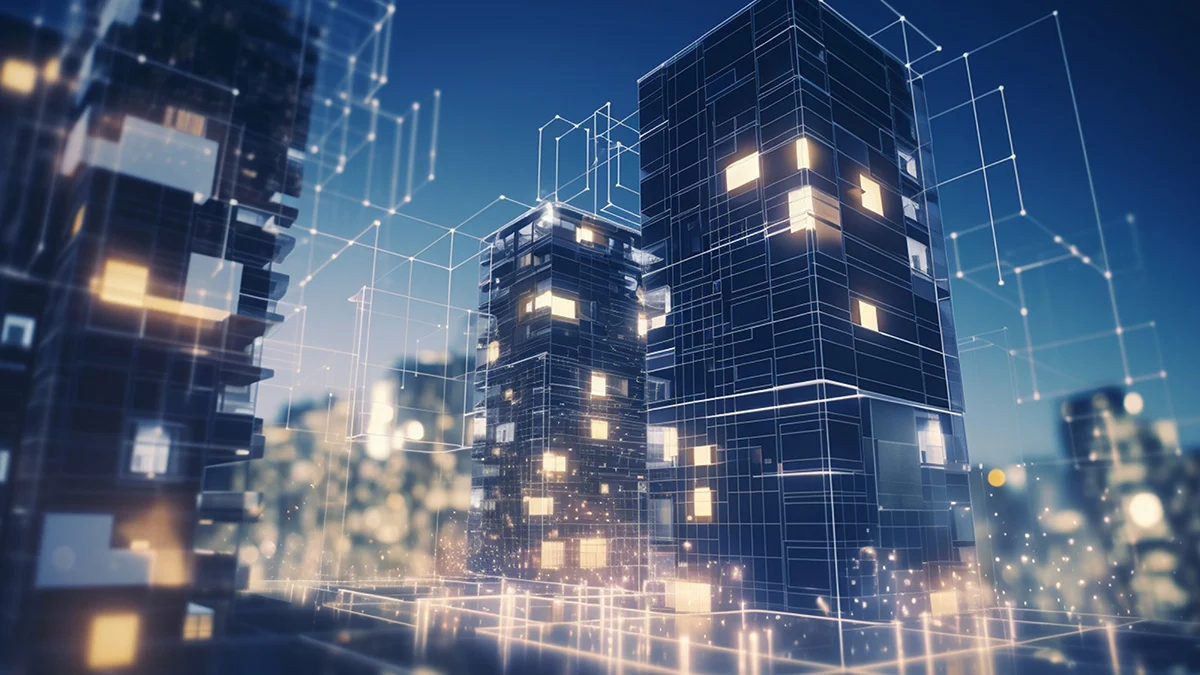
The rapid evolution of technology is transforming urban landscapes across the globe. One of the most groundbreaking innovations driving this change is the concept of digital twins. As cities strive to become smarter, more efficient, and sustainable, digital twins are emerging as a powerful tool to reshape urban planning and management. This article explores the rise of digital twins in smart cities, their benefits, applications, and future potential.
What Are Digital Twins?
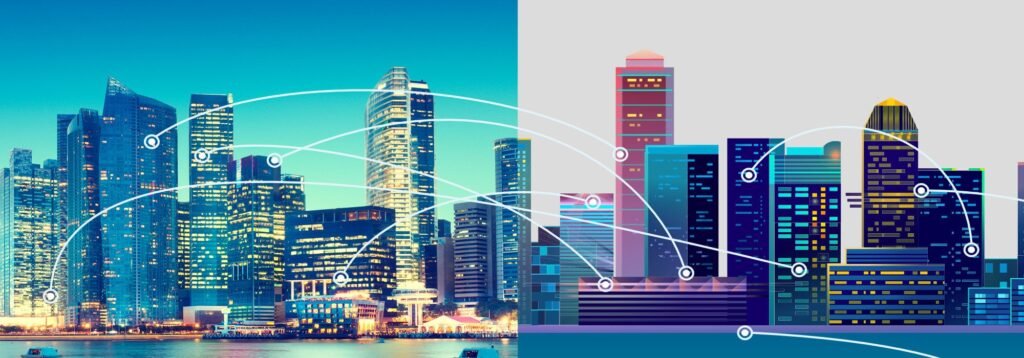
A digital twin is a virtual replica of a physical object, system, or environment. In the context of smart cities, it represents a digital version of urban infrastructure, including buildings, roads, utilities, and even entire city ecosystems. These virtual models are continuously updated using real-time data collected from sensors, IoT devices, and other digital sources.
By simulating real-world conditions, digital twins allow city planners and administrators to analyze, predict, and optimize city operations with greater accuracy.
Role of Digital Twins in Smart Cities
Digital twins play a crucial role in enhancing the functionality and efficiency of smart cities. They provide a comprehensive view of urban systems, enabling better decision-making and resource management.
City authorities can monitor traffic flow, energy consumption, waste management, and public safety through digital twin models. This real-time visibility helps identify potential issues before they escalate, reducing risks and improving overall city performance.
Key Benefits of Digital Twins
1. Improved Urban Planning
Digital twins allow planners to visualize new infrastructure projects before implementation. This reduces errors, saves costs, and ensures better design decisions.
2. Enhanced Sustainability
By analyzing energy usage and environmental data, digital twins help cities reduce carbon emissions and promote eco-friendly initiatives.
3. Efficient Resource Management
From water distribution to electricity grids, digital twins optimize resource allocation, minimizing waste and improving efficiency.
4. Predictive Maintenance
Digital twins can predict equipment failures and infrastructure issues, enabling timely maintenance and reducing downtime.
5. Better Disaster Management
In case of natural disasters, digital twins simulate various scenarios, helping authorities prepare and respond effectively.
Real-World Applications
Digital twins are already being implemented in several smart cities worldwide. They are used for:
- Traffic management systems to reduce congestion
- Smart energy grids for efficient power distribution
- Water supply monitoring to prevent leaks
- Waste management optimization
- Public safety and emergency response planning
These applications demonstrate how digital twins can enhance urban living by making cities more responsive and adaptive.
Integration with Emerging Technologies
The effectiveness of digital twins is amplified when combined with other advanced technologies such as Artificial Intelligence (AI), the Internet of Things (IoT), and Big Data analytics.
AI algorithms analyze data generated by digital twins to provide actionable insights. IoT devices continuously feed real-time data into the system, ensuring accurate simulations. Big Data enables the processing of vast amounts of information for better forecasting and decision-making.
This integration creates a powerful ecosystem that drives innovation in smart cities.
Challenges in Implementation
Despite their benefits, implementing digital twins comes with challenges:
- High initial investment costs
- Data privacy and security concerns
- Integration with existing infrastructure
- Need for skilled professionals
Cities must address these challenges to fully leverage the potential of digital twin technology.
Future of Digital Twins in Smart Cities
As technology keeps getting better, digital twins have a bright future. With increasing adoption, digital twins will become more sophisticated, offering deeper insights and automation capabilities.
In the coming years, we can expect fully interconnected smart cities where digital twins manage everything from transportation systems to environmental sustainability in real time. This will lead to improved quality of life, reduced operational costs, and more resilient urban environments.
The rise of digital twins in smart cities marks a significant shift in how urban areas are planned, managed, and maintained. Digital twins are transforming city operations by offering real-time insights, forecasting capabilities, and improved efficiency.
As cities continue to grow and face complex challenges, adopting digital twin technology will be essential for building smarter, safer, and more sustainable urban futures.
Effects of AI in Upcoming Technology
Manhole – Essential Access Points in Urban Infrastructure
RCPC Manhole Covers and Frames
Read Also : Social Network Website Design