Water is one of the most valuable natural resources, yet a significant amount is wasted through everyday household activities. From long showers and leaking taps to inefficient appliances and excessive gardening, small habits can contribute to unnecessary water consumption. Adopting practical water conservation strategies at home can reduce wastage, lower utility bills, and support a healthier environment. The best part is that most water-saving methods are simple, affordable, and easy to include in your daily routine.
Why Water Conservation Matters
Freshwater is essential for drinking, cooking, cleaning, agriculture, and countless other activities. However, freshwater resources are limited, while demand continues to increase because of population growth, urban development, and changing weather patterns.
Conserving water at home helps reduce pressure on local water supplies. It can also decrease the energy required to pump, treat, and heat water. When thousands of households make small changes, the combined impact can be substantial.
Fix Leaking Taps and Pipes
One of the easiest water conservation strategies at home is repairing leaks promptly. A dripping tap may appear insignificant, but continuous leakage can waste a surprising amount of water over time. Leaking toilets, showerheads, and hidden pipes can cause even greater losses.
Regularly inspect faucets, pipes, and toilet tanks for signs of leakage. Replace damaged washers, seals, or plumbing components when necessary. If you notice unexplained increases in your water bill, checking for hidden leaks can be a useful first step.
Use Water Efficiently in the Kitchen
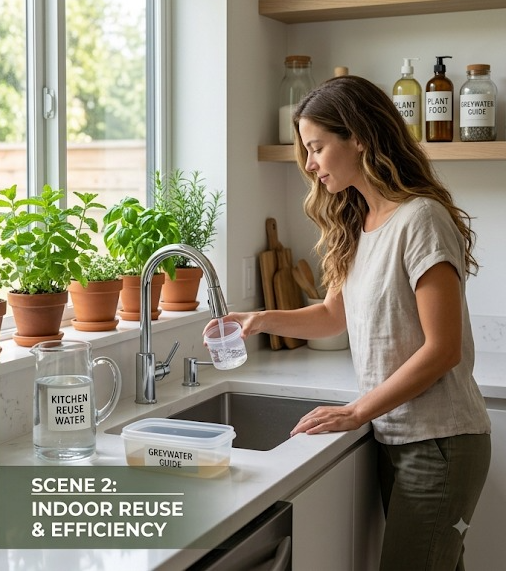
The kitchen is another place where water can easily be wasted. Instead of keeping the tap running while washing vegetables or dishes, fill a container with the required amount of water.
When cleaning fruits and vegetables, collect the used water and consider using it for plants if it does not contain harmful cleaning products. Running a dishwasher only when it is full can also help reduce unnecessary water consumption.
Take Shorter Showers
Long showers can consume considerable amounts of water. Reducing shower time by just a few minutes can make a meaningful difference over the course of a month.
Installing a water-efficient showerhead can further reduce consumption without significantly affecting the shower experience. Turning off the tap while brushing your teeth, shaving, or applying soap is another simple habit that prevents avoidable wastage.
Make Laundry More Water Efficient
Washing clothes can use a large quantity of water, especially when machines are operated with small loads. Try to run your washing machine only when you have enough clothes for a full load.
Modern washing machines often include eco or water-saving settings. Choosing an appropriate cycle based on the size and condition of the load can help conserve both water and electricity.
Practice Smart Gardening
Outdoor water use can become a major source of household consumption. Water plants during the early morning or evening when temperatures are lower and evaporation is reduced.
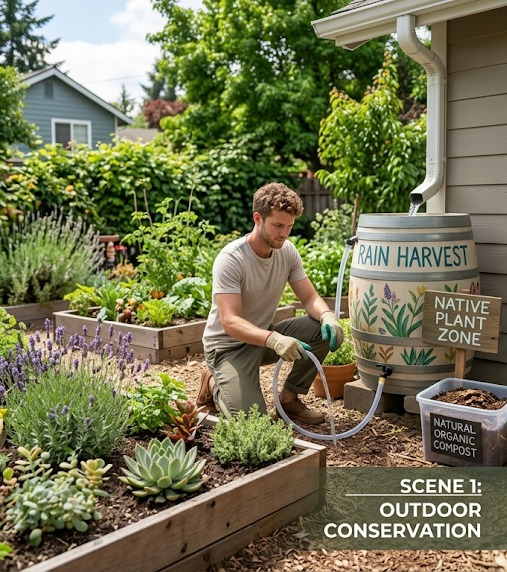
Select plants that are native to the area or those that are drought-tolerant to reduce the need for frequent watering. Adding mulch around plants can help retain soil moisture for longer. Instead of using a hose continuously, consider a watering can or drip irrigation system for more controlled watering.
Collect and Reuse Rainwater
Rainwater harvesting is an effective approach to household water conservation. A properly designed collection system can capture rainwater from rooftops and store it for suitable non-drinking purposes.
Depending on local regulations and the quality of the collected water, rainwater may be useful for gardening, cleaning outdoor areas, or other household tasks. Proper storage and maintenance are important to keep collected water safe from contamination.
Choose Water-Efficient Appliances
When replacing household appliances, look for models designed to use less water. Efficient washing machines, dishwashers, faucets, and toilets can reduce household consumption over their operating life.
Although efficient appliances may have a higher initial cost, they can provide long-term savings through lower water and energy usage.
Build Better Water-Saving Habits
Technology can help, but everyday behavior remains equally important. Teach family members to turn off taps when water is not needed, reuse water whenever practical, and report plumbing leaks quickly.
Keeping track of monthly water usage can also help identify areas where consumption is unnecessarily high.
Effective water conservation strategies at home do not require major lifestyle changes. Fixing leaks, shortening showers, using efficient appliances, reducing kitchen waste, practicing smart gardening, and collecting rainwater can collectively make a significant difference. By turning water-saving practices into everyday habits, households can reduce expenses while helping protect freshwater resources for future generations.
Read Also: Wedding Website Design