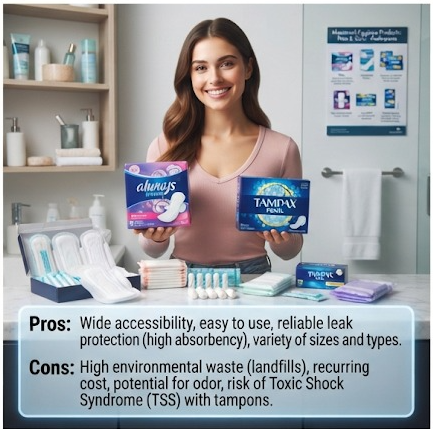
Many women find it difficult to distinguish between PMS symptoms vs early pregnancy because both conditions share several physical and emotional signs. Tender breasts, fatigue, mood swings, and mild cramping can occur before a menstrual period as well as during the first weeks of pregnancy. Understanding the differences can help reduce confusion and encourage timely medical care when needed.
What Is PMS?
Premenstrual Syndrome (PMS) is a group of physical, emotional, and behavioral symptoms that appear one to two weeks before menstruation. These symptoms are caused by hormonal fluctuations during the menstrual cycle and usually disappear once the period begins.
Common PMS symptoms include:
- Bloating and water retention
- Breast tenderness
- Mood swings and irritability
- Food cravings
- Headaches
- Fatigue
- Mild abdominal cramps
- Acne breakouts
The intensity of PMS varies from person to person, with some women experiencing only mild discomfort while others have more noticeable symptoms.
What Are Early Pregnancy Symptoms?
Early pregnancy symptoms begin after implantation, typically around one to two weeks after ovulation. Hormonal changes, particularly the increase in human chorionic gonadotropin (hCG) and progesterone, trigger several changes throughout the body.
Some common early pregnancy symptoms include:
- Missed menstrual period
- Persistent fatigue
- Nausea or morning sickness
- Breast swelling and sensitivity
- Frequent urination
- Light spotting (implantation bleeding)
- Heightened sense of smell
- Mild cramping
- Food aversions or unusual cravings
Not every pregnant woman experiences all of these symptoms, and their severity differs from one individual to another.
PMS Symptoms vs Early Pregnancy: Key Differences
Although the symptoms overlap, there are important differences.
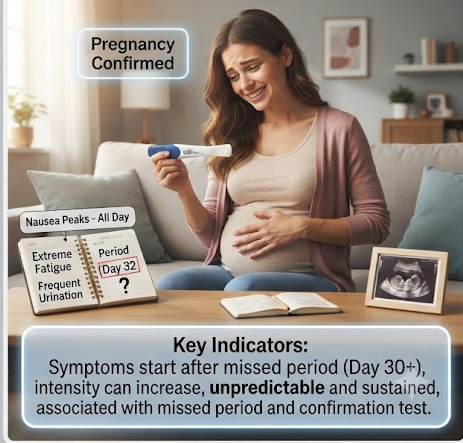
Timing: PMS symptoms usually disappear once menstruation starts. Pregnancy symptoms continue and often become stronger over time.
Bleeding: A regular menstrual period indicates PMS. Light pink or brown spotting that lasts one or two days may be implantation bleeding during early pregnancy.
Nausea: Nausea is uncommon with PMS but is one of the most recognized early signs of pregnancy.
Breast Changes: PMS can cause breast tenderness before the period. During pregnancy, breasts may feel heavier, fuller, and remain sensitive for several weeks.
Fatigue: While tiredness is common with PMS, pregnancy-related fatigue is often more intense because of rising hormone levels.
Similar Symptoms That Can Cause Confusion
Many women mistake one condition for the other because both share several common symptoms, including:
- Mood changes
- Mild cramping
- Breast tenderness
- Bloating
- Food cravings
- Fatigue
- Back pain
Because these symptoms are so similar, relying on symptoms alone cannot confirm pregnancy.
When Should You Take a Pregnancy Test?
If your menstrual period is late or unusually light, taking a home pregnancy test is the most reliable next step. Most tests provide accurate results from the first day of a missed period, although waiting a few extra days can improve accuracy.
If the result is negative but your period still does not arrive, repeat the test after 48 to 72 hours or consult a healthcare professional for further evaluation.
Tips to Manage PMS Symptoms
If your symptoms are related to PMS, healthy lifestyle habits may provide relief:
- Exercise regularly.
- Consume a well-rounded diet abundant in fruits, veggies, and whole grains.
- Stay hydrated.
- Limit caffeine, alcohol, and salty foods.
- Get enough sleep.
- Practice stress management through meditation or light yoga.
These habits can reduce the severity of PMS and improve overall well-being.
Understanding PMS symptoms vs early pregnancy can help you recognize changes in your body with greater confidence. While both conditions share many signs, symptoms such as a missed period, persistent nausea, implantation spotting, and ongoing breast tenderness are more closely associated with pregnancy. The only reliable way to confirm pregnancy is with a home pregnancy test or medical evaluation. If symptoms are unusual, severe, or persist, seeking advice from a healthcare provider is always the best course of action.
Liver Cancer Symptoms Cause and Remedy
Read Also: Medical Website Design