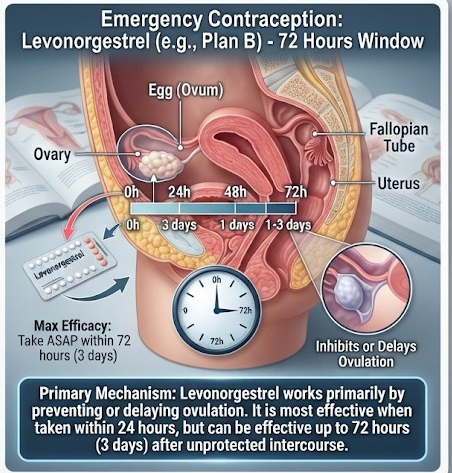
Emergency contraception is a safe and effective method used to help prevent pregnancy after unprotected sex or contraceptive failure. It is designed for unexpected situations such as a broken condom, missed birth control pills, or unprotected intercourse. While emergency contraception can significantly reduce the chance of pregnancy, it should not replace regular birth control methods.
The effectiveness of emergency contraception depends largely on how quickly it is used. Understanding the correct timing, available options, and important facts can help individuals make informed decisions when they need it most.
Why Timing Matters
One of the most important factors affecting emergency contraception is timing. The sooner it is taken or used after unprotected sex, the more effective it becomes. Emergency contraception primarily works by delaying or preventing ovulation, meaning it stops the release of an egg before fertilization can occur.
If ovulation has already happened, some emergency contraceptive methods may be less effective. This is why immediate action is recommended whenever there is a risk of unintended pregnancy.
Types of Emergency Contraception
There are two main types of emergency birth control:
Emergency Contraceptive Pills
Emergency contraceptive pills are the most commonly used option. Depending on the type, they should generally be taken within three to five days after unprotected intercourse. However, their effectiveness decreases as more time passes.
Some pills are available over the counter, while others require a prescription depending on local healthcare regulations. Always follow the instructions provided with the medication or consult a healthcare professional.
Copper Intrauterine Device (IUD)
A copper IUD is another highly effective form of emergency contraception. When inserted by a qualified healthcare provider within five days of unprotected sex, it can prevent pregnancy with a very high success rate. In addition to emergency protection, it also provides long-term contraception for several years.

How Effective Is Emergency Contraception?
Emergency contraception is most effective when used as early as possible. Taking emergency contraceptive pills within the first 24 hours offers the highest level of protection. Effectiveness gradually decreases over the next few days but can still provide meaningful protection within the recommended timeframe.
A copper IUD remains one of the most reliable emergency contraception methods and maintains high effectiveness throughout the recommended insertion window.
It’s important to remember that no emergency contraceptive method guarantees 100% pregnancy prevention.
Common Situations When Emergency Contraception May Be Needed
Emergency contraception may be appropriate in several situations, including:
- Unprotected sexual intercourse
- Condom breakage or slippage
- Missed birth control pills
- Delayed contraceptive injection
- Sexual assault without contraception
- Incorrect use of contraceptive methods
Seeking medical advice can help determine the most suitable option based on individual circumstances.
Common Myths About Emergency Contraception
Many misconceptions surround emergency contraception. Here are some important facts:
- It does not terminate an existing pregnancy.
- It does not affect future fertility.
- It is not recommended for use as a routine birth control option.
- It does not protect against sexually transmitted infections (STIs).
- It is generally safe for most people when used according to medical guidance.
Understanding these facts helps reduce unnecessary fear and confusion.
What to Expect After Taking Emergency Contraception
Most people experience few or only mild side effects after using emergency contraception. Possible effects may include:
- Mild nausea
- Fatigue
- Headache
- Breast tenderness
- Temporary changes in the next menstrual period
Your next period may come earlier or later than expected and may be lighter or heavier than usual. If your period is delayed by more than a week or you experience severe abdominal pain, consult a healthcare provider and consider taking a pregnancy test.
Tips for Better Pregnancy Prevention
Although emergency contraception is highly useful in emergencies, consistent contraceptive use remains the best way to reduce the risk of unintended pregnancy. Consider discussing long-term birth control options with a healthcare professional to find the method that best suits your needs and lifestyle.
Having emergency contraception available in advance may also help reduce stress during unexpected situations.
Understanding emergency contraception timing is essential for maximizing its effectiveness. Acting quickly after unprotected sex or contraceptive failure greatly improves the chances of preventing pregnancy. Whether choosing emergency contraceptive pills or a copper IUD, timely action and accurate information are key. Emergency contraception offers a valuable backup option, but it should be combined with reliable, ongoing birth control methods and safe sexual practices for the best reproductive health outcomes.
Liver Cancer Symptoms Cause and Remedy
Read Also: Medical Website Design