
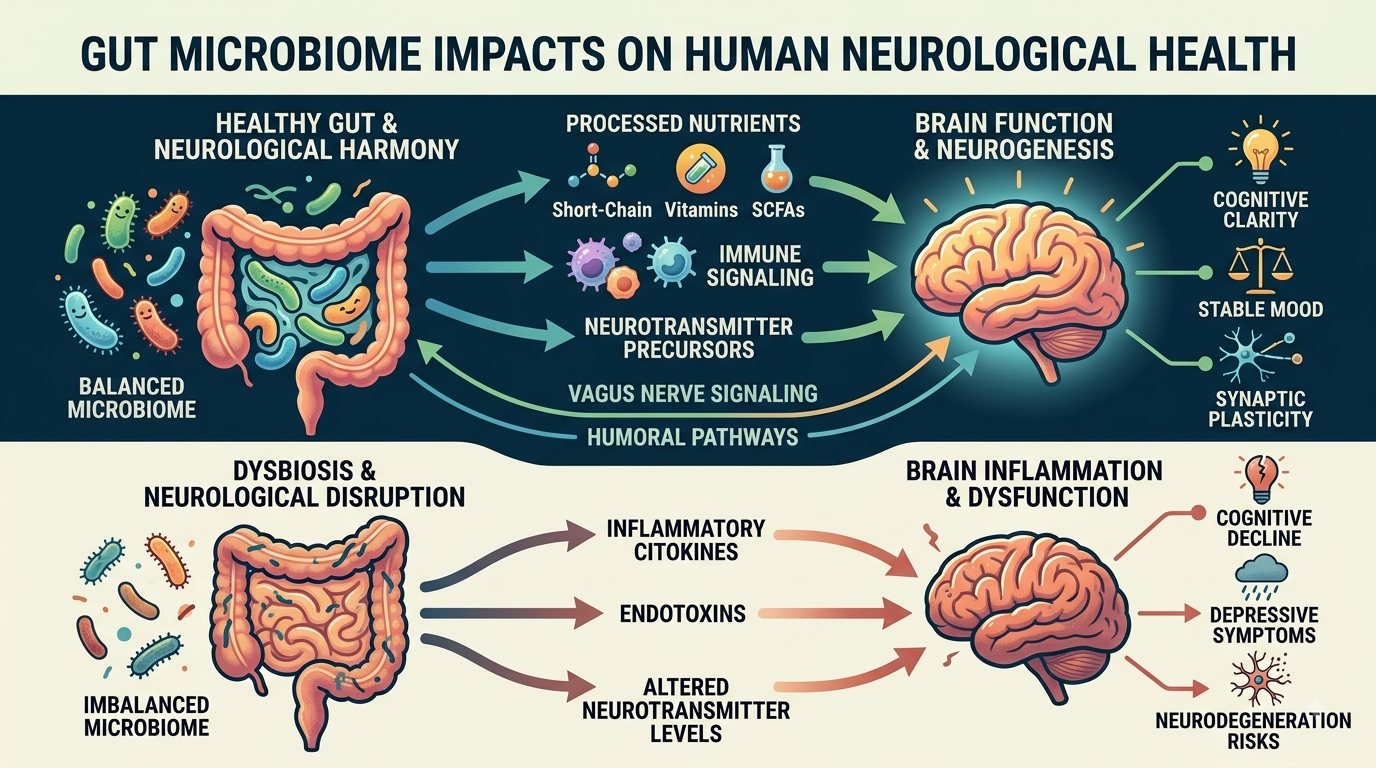
The human gut is home to trillions of microorganisms that form a complex ecosystem known as the gut microbiome. Although these microbes are best known for supporting digestion, research increasingly shows that they may also influence the brain, nervous system, mood, and cognitive function. This relationship is commonly described as the gut-brain axis, a two-way communication network connecting the gastrointestinal system with the central nervous system.
Understanding the Gut-Brain Connection
The gut and brain communicate through several pathways, including the nervous, immune, endocrine, and metabolic systems. The vagus nerve is one important communication route, while immune signals and microbial compounds provide additional connections. Signals can travel in both directions, meaning that brain activity can influence the gut while gut conditions can affect neurological processes.
This connection helps explain why digestive changes are sometimes associated with changes in mood, stress responses, sleep, and cognitive wellbeing. However, researchers emphasize that the relationship is highly complex and that many findings are still being investigated.
How Gut Microbes May Influence Brain Function
Gut bacteria produce numerous metabolites during the digestion of dietary components. Among these are short-chain fatty acids, which can interact with immune and metabolic pathways. Certain microorganisms can also influence the availability or metabolism of compounds associated with neurotransmission, including serotonin, dopamine, GABA, and glutamate.
These microbial activities may affect communication between the gut and brain. The microbiome can also interact with the intestinal barrier and immune system, potentially influencing inflammatory signals that reach the nervous system.
Gut Microbiome and Neuroinflammation
Inflammation is an important area of neurological research. An imbalance in gut microbial communities, often called dysbiosis, has been associated with changes in immune activity and inflammatory pathways. Recent research suggests that the gut microbiome may influence neuroinflammation through immune regulation, microbial metabolites, intestinal and blood-brain barrier function, and neural signaling.
Persistent inflammation is being studied in connection with several neurological conditions. However, an association between altered gut bacteria and a disease does not automatically prove that microbiome changes cause the condition.
Links to Neurological Disorders
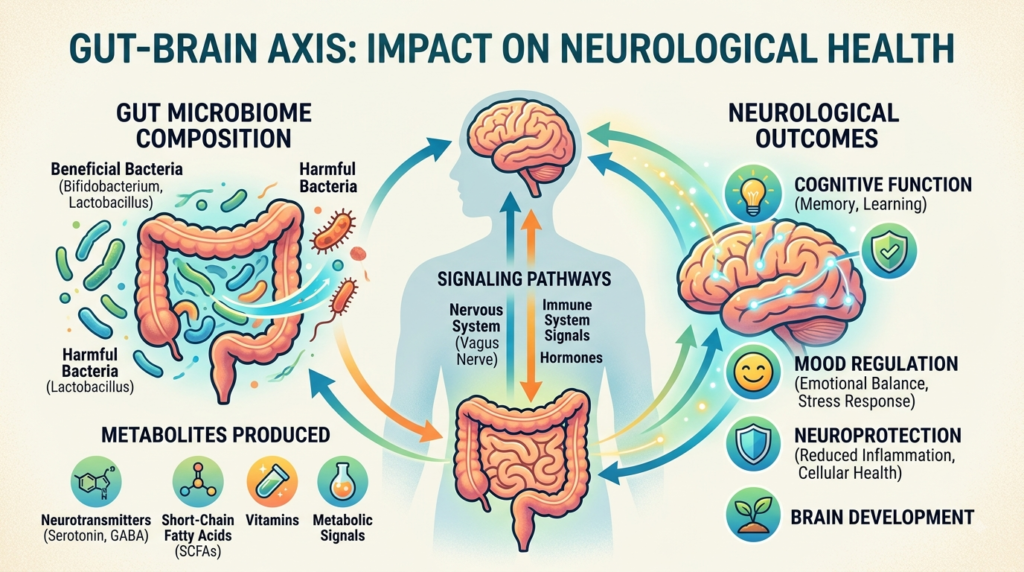
Researchers have investigated the gut microbiome in conditions such as Parkinson’s disease, Alzheimer’s disease, multiple sclerosis, epilepsy, depression, anxiety, and other neurological or neuropsychiatric disorders. Reviews have identified potential connections involving neurotransmitters, inflammation, oxidative stress, metabolism, and barrier integrity.
Parkinson’s disease is particularly interesting because gastrointestinal symptoms and gut-brain interactions have received considerable research attention. Scientists are examining whether microbial changes could eventually help identify biomarkers or therapeutic targets.
Diet and a Healthier Gut Microbiome
Diet is one of the major factors capable of shaping the gut microbiome. A varied diet containing vegetables, fruits, legumes, whole grains, nuts, seeds, and other fiber-rich foods can provide substrates that beneficial microbes use for fermentation. Fermented foods may also contribute useful microorganisms, although their effects can differ between individuals.
Regular physical activity, adequate sleep, stress management, and avoiding unnecessary antibiotic use can also support overall health and may indirectly benefit the gut microbiome.
The Future of Gut-Brain Research
The gut microbiome represents an exciting area of neurological research, but it is not a universal cure for brain disorders. Scientists are still working to determine which microbial changes are meaningful, whether they cause or result from disease, and how individual genetics, diet, medications, age, and lifestyle affect the microbiome.
Future research could lead to personalized nutrition strategies, microbiome-based biomarkers, and targeted therapies. Current evidence supports the importance of studying the gut and brain together rather than treating them as completely separate systems.
The gut microbiome impacts on human neurological health are becoming an important focus of modern health research. Through microbial metabolites, immune regulation, neural signaling, and interactions with biological barriers, gut microorganisms may influence brain function and neurological wellbeing. While promising evidence continues to emerge, more high-quality human research is needed before specific microbiome treatments can be recommended for neurological diseases. For now, maintaining a balanced diet and healthy lifestyle remains a practical way to support both digestive and overall health.
Liver Cancer Symptoms Cause and Remedy
Read Also: Medical Website Design