
The UNESCO World Heritage Sites are landmarks recognized for their cultural, historical, or natural significance. These sites reflect humanity’s creativity, history, and relationship with nature. With over 1,100 sites listed globally, some stand out for their uniqueness, beauty, and historical importance. Here is a look at the top 10 UNESCO World Heritage Sites in the world that everyone should know.
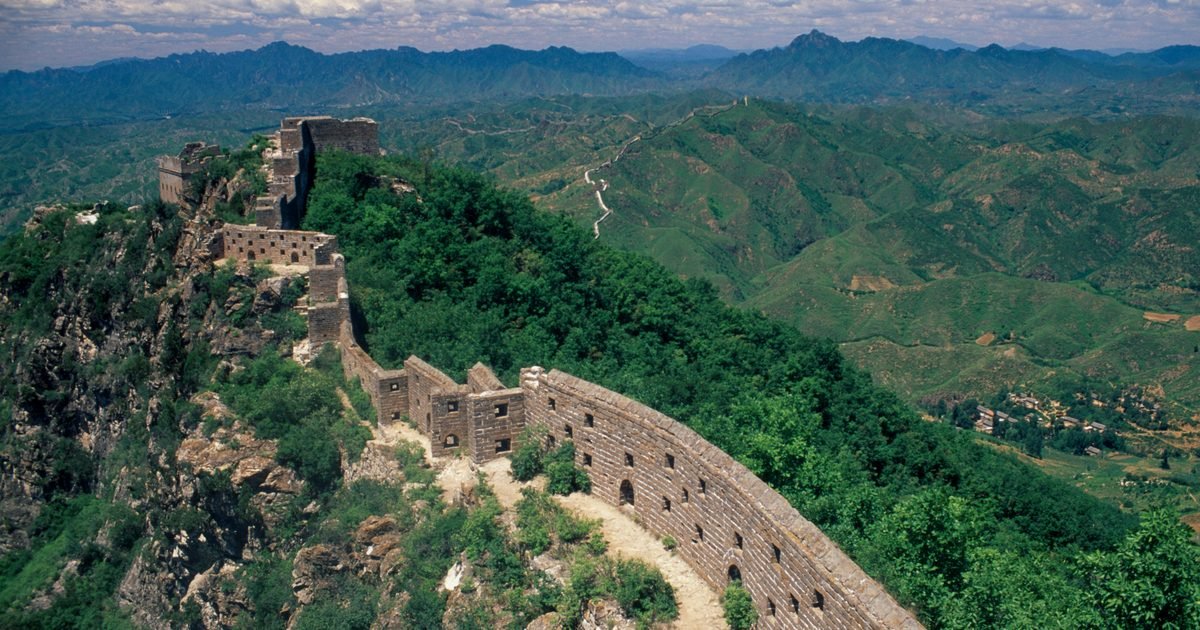
1. Great Wall of China, China
The Great Wall of China is an architectural marvel stretching over 13,000 miles. Built to protect China from invasions, it reflects the ingenuity, determination, and labor of ancient civilizations. Its historical significance and sheer scale make it one of the world’s most iconic heritage sites.
2. Machu Picchu, Peru
Machu Picchu is an ancient Incan city located high in the Andes Mountains. Built in the 15th century, it is famous for its stunning architecture, terraces, and spiritual significance. This site provides a glimpse into the life and engineering skills of the Inca civilization.
3. Pyramids of Giza, Egypt
The Pyramids of Giza are the most recognizable symbols of ancient Egypt. Built as tombs for pharaohs, they demonstrate the Egyptians’ advanced knowledge of mathematics, engineering, and astronomy. The Great Pyramid is the last of the original Seven Wonders of the Ancient World still standing.
4. Taj Mahal, India
The Taj Mahal is a white marble mausoleum built by Emperor Shah Jahan in memory of his wife Mumtaz Mahal. It symbolizes love and architectural brilliance, combining Islamic, Persian, and Indian styles. Its intricate design and gardens make it a must-visit heritage site.
5. Acropolis of Athens, Greece
The Acropolis of Athens represents the pinnacle of ancient Greek civilization. Home to the Parthenon and other historic structures, it reflects the cultural, philosophical, and political achievements of classical Greece.

6. Yellowstone National Park, USA
Yellowstone is the first national park in the world and is famous for its geysers, hot springs, and wildlife. It highlights the importance of preserving natural landscapes and biodiversity.
7. Colosseum, Italy
The Colosseum in Rome is an iconic symbol of ancient Roman engineering. It was used for gladiatorial contests and public spectacles, reflecting the grandeur and social dynamics of the Roman Empire.
8. Petra, Jordan
Petra, carved into rose-red cliffs, was the capital of the Nabataean Kingdom. It is famous for its rock-cut architecture and advanced water management systems, showcasing ancient ingenuity.
9. Galápagos Islands, Ecuador
The Galápagos Islands are known for unique wildlife and ecological diversity. They inspired Charles Darwin’s theory of evolution and are crucial for conservation efforts.
10. Angkor Wat, Cambodia
Angkor Wat is the largest religious monument in the world. Built by the Khmer Empire, it represents Hindu and Buddhist architectural excellence and spiritual devotion.
These top 10 UNESCO World Heritage Sites combine history, culture, and natural beauty, offering a window into humanity’s achievements and the planet’s wonders. Visiting them is not just a journey through space but also through time.
Truth & Controversy Behind the Taj Mahal
Tours And Travels Website Design