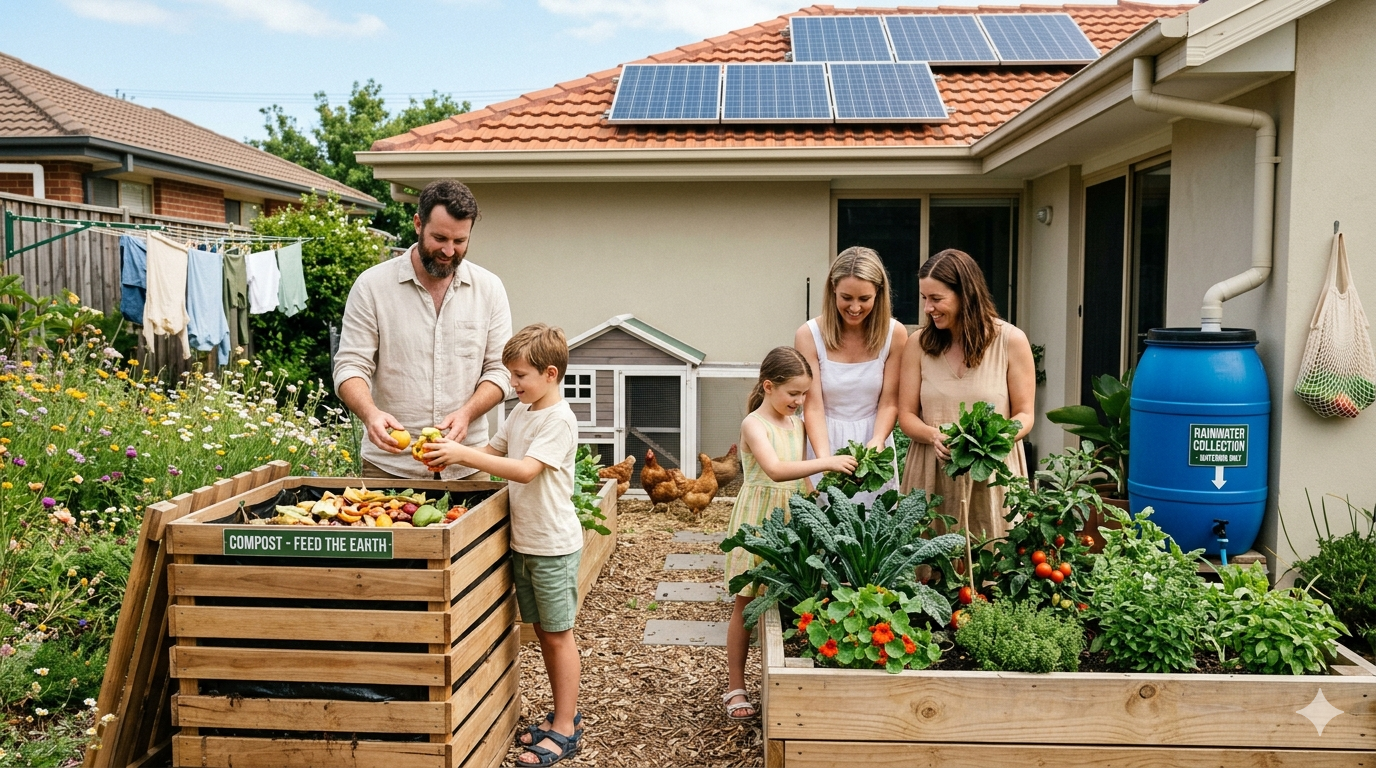
Sustainable living has become more important than ever as households look for ways to reduce their environmental impact while saving money. By making small changes in daily habits, families can contribute to a healthier planet and create a more eco-friendly lifestyle. From reducing energy consumption to minimizing waste, sustainable living is practical, affordable, and beneficial for everyone.
1. Reduce Energy Consumption at Home
One of the most effective sustainable living tips for households is reducing energy usage. Start by switching to LED bulbs, which consume less electricity and last longer than traditional bulbs. Unplug electronic devices when they are not in use, as many appliances continue to draw power even when turned off.
Using energy-efficient appliances can also significantly lower electricity bills. Additionally, maximizing natural light during the day and using ceiling fans instead of air conditioners whenever possible can help conserve energy.
2. Conserve Water Effectively
Water conservation is an essential part of sustainable living. Households can reduce water waste by fixing leaking taps, installing low-flow showerheads, and turning off faucets while brushing teeth or washing dishes.
Collecting rainwater for gardening purposes is another environmentally friendly practice. Running washing machines and dishwashers only with full loads also helps save both water and energy. These simple steps can make a significant difference in reducing overall water consumption.
3. Minimize Household Waste
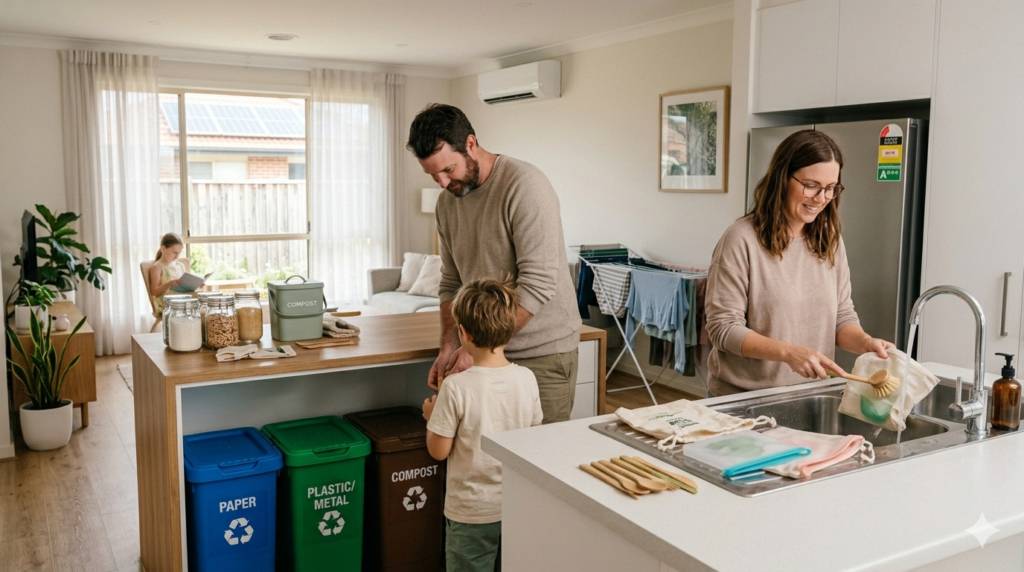
Reducing waste is a key principle of an eco-friendly lifestyle. Households should focus on the three R’s: Reduce, Reuse, and Recycle. Avoid purchasing products with excessive packaging and choose reusable alternatives whenever possible.
Reusable shopping bags, water bottles, food containers, and cloth napkins can help minimize single-use plastic waste. Proper recycling and the prevention of unnecessary landfill buildup are guaranteed by the separation of recyclable materials like paper, glass, metal, and plastic.
4. Choose Sustainable Products
Making environmentally conscious purchasing decisions supports sustainable living. Opt for products made from recycled, biodegradable, or renewable materials. Eco-friendly cleaning products, bamboo household items, and reusable kitchen supplies are excellent alternatives to conventional products.
Buying locally sourced goods also helps reduce the carbon footprint associated with transportation. Supporting sustainable brands encourages businesses to adopt environmentally responsible practices.
5. Create a Green Garden
A home garden can improve sustainability while enhancing the beauty of your property. Growing vegetables, herbs, and fruits at home reduces reliance on commercially transported produce and promotes healthier eating habits.
Composting kitchen scraps such as fruit peels, vegetable waste, and coffee grounds creates nutrient-rich fertilizer for plants. Native plants and drought-resistant species require less water and maintenance, making them ideal choices for sustainable landscaping.
6. Adopt Sustainable Food Habits
Food options have a significant impact on the environment. Planning meals in advance helps reduce food waste and saves money. Store food properly to extend its shelf life and use leftovers creatively.
Incorporating more plant-based meals into your diet can lower greenhouse gas emissions associated with food production. Purchasing seasonal and locally grown produce further supports sustainability and local farmers.
7. Encourage Eco-Friendly Family Practices
Sustainable living works best when the entire household participates. Teach children the importance of recycling, conserving resources, and respecting the environment. Establish habits such as switching off lights when leaving a room and using reusable items whenever possible.
Family involvement creates long-term positive habits that contribute to environmental conservation and responsible resource management.
Sustainable living for households does not require drastic lifestyle changes. Small, consistent actions such as conserving energy, reducing waste, saving water, and choosing eco-friendly products can collectively make a significant impact. By adopting these sustainable living tips, families can create a greener home, lower their expenses, and contribute to a healthier future for generations to come.
Different Types of Adult Parties around the World
Read Also: Food Beverages Website