
Healthy relationships thrive on trust, communication, and emotional intimacy. However, not everyone is capable of expressing emotions in a healthy way. If you constantly feel disconnected, unheard, or emotionally lonely despite being in a relationship, your partner may be emotionally unavailable. Understanding the signs of emotional unavailability can help you make informed decisions about your relationship and emotional well-being.
In this article, we’ll explore the most common signs your partner is emotionally unavailable, why it happens, and what you can do about it.
What is the Significance of Being Emotionally Unavailable?
An emotionally unavailable partner struggles to form deep emotional connections. They may avoid vulnerability, have difficulty expressing feelings, or keep others at an emotional distance. While they may genuinely care about you, they often find it challenging to provide the emotional support and intimacy needed for a healthy relationship.
Emotional unavailability can stem from childhood experiences, past relationship trauma, fear of commitment, or unresolved emotional issues.
1. They Avoid Deep Conversations
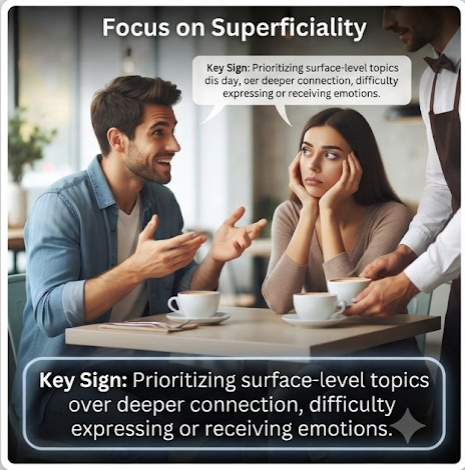
One of the clearest signs of emotional unavailability is avoiding meaningful conversations. Your partner may happily discuss work, hobbies, or current events but quickly change the subject when conversations become personal or emotional.
If you try to discuss your feelings or the future of your relationship, they may become uncomfortable, dismissive, or silent.
2. They Struggle to Express Their Feelings
Emotionally available people openly communicate their emotions. In contrast, emotionally unavailable partners often find it difficult to say how they feel.
They may rarely say “I love you,” avoid discussing emotions, or respond with vague answers like “I’m fine” even when something is clearly bothering them.
3. They Keep You at a Distance
A partner who is emotionally unavailable often creates invisible barriers. They may avoid sharing personal experiences, introduce you slowly to family and friends, or resist making long-term plans together.
This emotional distance can leave you feeling like you’re never truly part of their inner world.
4. They Fear Commitment
Commitment doesn’t always mean marriage. It also includes planning a future together and investing emotionally in the relationship.
If your partner constantly avoids discussions about moving in together, future goals, or long-term commitments, emotional unavailability could be a contributing factor.
5. They Rarely Show Empathy
Empathy is essential for emotional intimacy. An emotionally unavailable partner may dismiss your feelings or fail to comfort you during difficult times.
Instead of listening and understanding, they may minimize your concerns or change the subject, leaving you feeling unsupported.
6. Communication Feels One-Sided
Healthy communication involves both partners sharing thoughts and listening actively.
If you’re always the one initiating conversations, expressing emotions, or resolving conflicts while your partner remains distant, it may indicate emotional unavailability.
7. They Avoid Conflict Instead of Resolving It
Disagreements are a natural part of every relationship. Emotionally unavailable individuals often avoid conflict completely.
Rather than discussing issues calmly, they may withdraw, ignore messages, or pretend nothing happened. This avoidance prevents healthy problem-solving and emotional growth.
8. They Prioritize Independence Over Connection
Having personal space is healthy, but excessive independence can create emotional distance.
If your partner consistently chooses work, hobbies, or social activities over spending quality time with you, they may be avoiding deeper emotional attachment.
Why Some People Become Emotionally Unavailable
Emotional unavailability often develops as a protective mechanism. Common causes include:
- Childhood emotional neglect
- Previous heartbreak or betrayal
- Fear of rejection
- Low self-esteem
- Past trauma
- Difficulty trusting others
Recognizing these underlying causes can help you understand their behavior, although it doesn’t excuse unhealthy relationship patterns.
What Can You Do?
If you believe your partner is emotionally unavailable, consider these steps:
- Communicate your feelings honestly and respectfully.
- Set healthy emotional boundaries.
- Encourage open conversations without judgment.
- Be patient if they are willing to work on themselves.
- Consider couples counseling if both partners are committed to improving the relationship.
- Prioritize your own emotional health if your needs continue to go unmet.
Remember, you cannot force someone to become emotionally available if they are unwilling to change.
Recognizing the signs your partner is emotionally unavailable can save you from prolonged emotional frustration and confusion. While everyone has moments of emotional withdrawal, consistent patterns of avoidance, poor communication, lack of empathy, and fear of commitment may indicate a deeper issue.
A healthy relationship requires emotional openness from both partners. If your partner acknowledges the problem and actively works toward change, your relationship can grow stronger. However, if emotional distance remains constant despite your efforts, it may be time to evaluate whether the relationship is meeting your emotional needs.
Read Also: Wedding Website Design