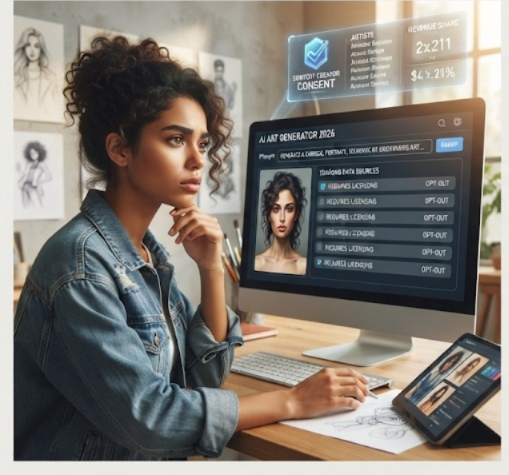

The digital realm is evolving quickly, and security in the deepfake age is now a significant worry for people, companies, and authorities. Deepfake technology can create highly realistic videos, images, and audio that imitate real people. While this technology has legitimate uses in entertainment, education, and communication, cybercriminals are increasingly using it for fraud, identity theft, misinformation, and social engineering attacks.
As deepfakes become more convincing, traditional security methods are no longer enough. Organizations and individuals need stronger strategies to verify digital identities and recognize manipulated content.
What Are Deepfakes and Why Are They Dangerous?
Deepfakes are digitally manipulated media created with artificial intelligence and machine learning. They can make a person appear to say or do something that never actually happened. Modern tools can also reproduce someone’s voice with surprisingly realistic results.
The biggest cybersecurity risk comes from the ability to combine deepfakes with social engineering. For example, an attacker could imitate a company executive and request an urgent payment from an employee. A fake voice message or video call may make the request appear legitimate.
This creates a serious challenge because people often trust what they see and hear.
The Rise of Deepfake Cyberattacks
Cybercriminals are finding new ways to use artificial intelligence in attacks. Deepfake-based scams can target businesses, financial institutions, public figures, and ordinary internet users.
Some common threats include:
- Financial fraud: Criminals can impersonate executives or customers to authorize fraudulent transactions.
- Identity theft: Fake images, videos, or voices can be used to imitate another person’s identity.
- Phishing attacks: Deepfake messages can make phishing attempts appear more believable.
- Reputation damage: Manipulated videos can falsely associate individuals or organizations with harmful activities.
- Misinformation: Fake content can spread rapidly across social media and influence public opinion.
The combination of AI-generated content and traditional cybercrime makes these attacks particularly difficult to detect.
How Businesses Can Improve Cybersecurity
Organizations need to rethink their approach to digital authentication. Simply trusting a familiar voice, video call, email address, or profile picture can be dangerous.
One effective strategy is multi-factor authentication (MFA). Important financial and administrative actions should require more than one form of verification. Organizations can also introduce approval procedures for sensitive requests, especially those involving money, confidential information, or account access.
Employee cybersecurity training is equally important. Staff should understand that a realistic-looking video or familiar voice is not automatically proof of identity.
Companies should also monitor unusual login behavior, transaction patterns, and communication requests. AI-powered security systems can help identify suspicious activity and potentially manipulated media.

How Individuals Can Protect Their Digital Identity
Individuals can also take practical steps to reduce their exposure to deepfake scams. Avoid sharing excessive personal information, especially high-quality voice recordings and facial videos on public platforms.
When receiving an unusual request, verify it through another communication channel. For example, if someone claiming to be a manager requests an urgent payment through a video call, contact that person directly using a previously known phone number.
People should also be cautious when sharing emotionally shocking videos or audio recordings online. Checking the original source and looking for independent confirmation can help prevent the spread of false information.
The Future of Cybersecurity and Deepfake Detection
Continuous innovation is crucial in the battle against deepfakes. Security researchers are developing technologies that analyze facial movements, audio patterns, metadata, and other signals to identify manipulated media.
However, technology alone cannot solve the problem. Cybersecurity awareness, careful verification, strong authentication, and responsible digital behavior will remain essential.
As artificial intelligence becomes more powerful, cybersecurity must evolve alongside it. The future of online safety will depend not only on detecting fake content but also on building systems where identity and important transactions can be independently verified.
The deepfake era has introduced a new dimension to cybersecurity. Fake voices, images, and videos can make traditional scams more convincing and create new opportunities for cybercriminals. Businesses and individuals therefore need to combine technology with human awareness.
By using multi-factor authentication, verifying unusual requests, limiting exposed personal data, educating employees, and adopting modern security tools, users can reduce the risks associated with deepfake attacks. In an increasingly AI-driven world, digital trust must be supported by verification rather than appearance alone.
Effects of AI in Upcoming Technology
Manhole – Essential Access Points in Urban Infrastructure
RCPC Manhole Covers and Frames
Read Also : Social Network Website Design