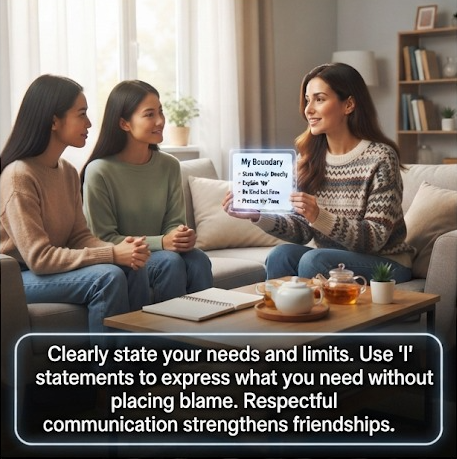
Friendships are an important part of life. They provide emotional support, laughter, companionship, and encouragement during both good and difficult times. However, even the closest friendships require healthy limits to remain positive and respectful. Setting personal boundaries with friends is not about pushing people away—it’s about creating relationships built on trust, mutual respect, and understanding.
Many people struggle with saying “no” because they fear disappointing others or damaging their friendships. In reality, clear boundaries often strengthen relationships by preventing resentment, reducing misunderstandings, and encouraging honest communication.
What Are Personal Boundaries?
Personal boundaries are the emotional, physical, mental, and social limits that define what you are comfortable with in your relationships. They help protect your time, energy, values, and well-being.
Healthy boundaries allow you to:
- Respect your own needs.
- Communicate expectations clearly.
- Maintain emotional balance.
- Build stronger and more respectful friendships.
- Avoid feeling overwhelmed or taken advantage of.
Boundaries are not walls that isolate people; they are guidelines that create healthier interactions.
Why Setting Boundaries with Friends Is Important
Without boundaries, friendships can become emotionally draining. You may feel pressured to always be available, lend money, solve every problem, or sacrifice your own priorities.
Healthy boundaries help you:
Reduce Stress
Striving to satisfy everyone all the time can result in exhaustion. Setting limits protects your mental health and reduces unnecessary stress.
Improve Communication
Open conversations about expectations prevent confusion and help both friends understand each other’s needs.
Build Mutual Respect
Respect grows when both people recognize and honor each other’s limits.
Strengthen Long-Term Friendships
Healthy friendships survive because they are based on honesty rather than obligation.
Signs You Need Better Boundaries
Many people don’t realize their boundaries are weak until they start feeling emotionally exhausted.
Some common signs include:
- You feel guilty when saying no.
- Friends frequently expect immediate replies.
- You often cancel your own plans for others.
- You feel emotionally drained after spending time together.
- Your privacy is regularly ignored.
- You lend money or favors even when uncomfortable.
- You fear conflict more than protecting your own well-being.
Recognizing these signs is the first step toward creating healthier relationships.
How to Set Personal Boundaries with Friends
Establishing boundaries doesn’t have to be confrontational. Small, honest conversations often make the biggest difference.
Be Honest About Your Needs
Start by identifying what makes you uncomfortable. Whether you need more personal time or dislike last-minute plans, be clear with yourself before discussing it with others.
Learn to Say No
Saying “no” is a healthy skill. You don’t need lengthy explanations or apologies every time you decline a request.
A simple response such as, “I can’t help this weekend, but I hope it goes well,” is respectful and clear.
Communicate Calmly
Choose a calm moment rather than waiting until frustration builds. Speak respectfully while explaining your feelings using “I” statements instead of blaming language.
Stay Consistent
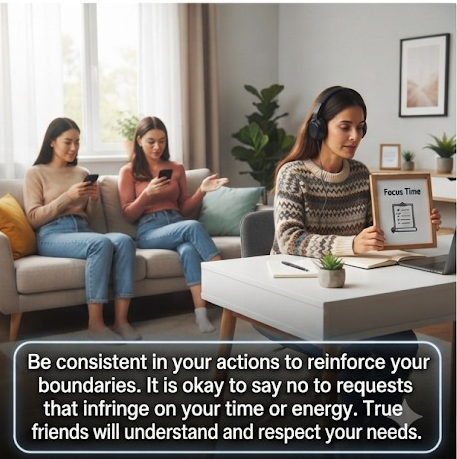
Boundaries only work when they are consistently maintained. If you repeatedly ignore your own limits, others may become confused about your expectations.
Respect Their Boundaries Too
Healthy friendships are built on mutual understanding. Just as you expect your limits to be respected, honor the boundaries your friends establish as well.
Common Boundary Examples
Every friendship is unique, however, there are several typical healthy limits that may be present:
- Limiting late-night phone calls.
- Protecting personal privacy.
- Declining financial requests you cannot afford.
- Saying no to events when you need rest.
- Expecting respectful communication during disagreements.
- Taking personal time without feeling guilty.
- Choosing not to discuss certain personal topics.
These boundaries create balance without reducing the quality of the friendship.
Handling Negative Reactions
Not everyone will immediately understand your new boundaries. Some friends may be surprised if they are used to unlimited access to your time and energy.
Remain calm and avoid arguing. Repeat your boundary respectfully without becoming defensive. Friends who genuinely value the relationship will usually adapt over time.
If someone repeatedly ignores your limits, it may be necessary to reconsider how much energy you invest in that friendship.
Benefits of Healthy Friendship Boundaries
Once healthy boundaries become part of your relationships, you’ll likely notice several positive changes:
- Better emotional well-being.
- Less anxiety and guilt.
- Increased self-confidence.
- More balanced friendships.
- Improved communication.
- Greater mutual respect.
- More time for personal growth and family.
Healthy boundaries allow friendships to flourish because both people feel respected rather than obligated.
Setting personal boundaries with friends is one of the healthiest decisions you can make for your emotional well-being. Boundaries are not acts of rejection—they are expressions of self-respect and honesty. By communicating your needs, respecting others, and remaining consistent, you can create friendships that are supportive, balanced, and long-lasting.
Remember, true friends appreciate your honesty and value your happiness just as much as their own. Healthy boundaries don’t weaken friendships—they create the foundation for stronger, happier, and more meaningful relationships.
Private Places for Couples in Kolkata
Read Also: Adult Toys Website Design