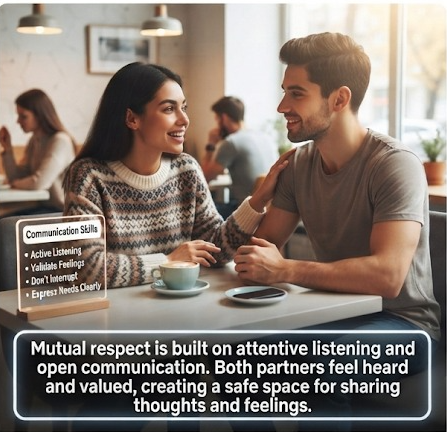

Maintaining a long-distance relationship can bring both satisfaction and difficulties. Thanks to technology, couples can stay connected through calls, video chats, and instant messaging. However, one common question many partners ask is: how often should long distance couples talk? There is no one-size-fits-all answer because every relationship is unique. The key is finding a communication routine that strengthens your bond without making either partner feel overwhelmed.
In this article, we’ll explore the ideal communication frequency, factors that affect it, and practical tips to maintain a healthy long-distance relationship.
Why Communication Is Essential in a Long-Distance Relationship
Communication is the foundation of every successful relationship, especially when partners are separated by distance. Since you cannot rely on physical presence, meaningful conversations become the primary way to build trust, express emotions, and stay involved in each other’s lives.
Healthy communication helps couples:
- Build emotional intimacy
- Reduce misunderstandings
- Strengthen trust
- Handle conflicts effectively
- Feel connected despite the distance
Rather than focusing only on how often you talk, pay attention to the quality of your conversations.
How Often Should Long Distance Couples Talk?
The ideal frequency depends on your schedules, personalities, and relationship needs. For most couples, communicating once or twice a day works well. This could include a morning text, a quick phone call during lunch, or a video chat before bedtime.
Some couples prefer texting throughout the day, while others enjoy longer conversations a few times a week. Neither approach is right or wrong as long as both partners feel satisfied.
Instead of counting conversations, create a routine that feels natural and sustainable.
Quality Matters More Than Quantity
Many people believe talking constantly keeps a relationship strong. In reality, excessive communication can sometimes create pressure or reduce the excitement of reconnecting.
Meaningful conversations are more valuable than endless texting. Ask about your partner’s experiences, feelings, goals, and challenges rather than simply exchanging routine messages.
Quality conversations may include:
- Sharing daily achievements
- Discussing future plans
- Talking about personal growth
- Watching movies together online
- Playing games or reading books together virtually
These activities create shared experiences that strengthen emotional intimacy.
Factors That Influence Communication Frequency
Every couple has different circumstances. Several factors determine how often you should stay in touch.
Time Zone Differences
If you live in different countries, matching schedules can be difficult. Instead of forcing conversations at inconvenient hours, choose a regular time that works for both partners.
Work and Study Commitments
Busy careers or academic schedules may limit communication during the day. Respect each other’s responsibilities while making time for regular check-ins.
Individual Communication Styles
Some people naturally enjoy frequent conversations, while others need more personal space. Understanding your partner’s communication style prevents unnecessary conflicts.
Relationship Stage
New couples often communicate more frequently because they are still learning about each other. Long-term couples may develop a comfortable routine with fewer but deeper conversations.

Signs You’re Communicating Too Much
Although communication is important, excessive contact can sometimes become unhealthy.
Watch for these signs:
- Feeling obligated to reply instantly
- Losing focus at work or school
- Running out of meaningful topics
- Feeling emotionally exhausted
- Becoming overly dependent on constant reassurance
Healthy relationships allow both partners to maintain their individual lives while staying emotionally connected.
Signs You’re Not Talking Enough
On the other hand, too little communication may create emotional distance.
Possible warning signs include:
- Feeling disconnected
- Frequent misunderstandings
- Lack of emotional support
- Growing insecurity
- Reduced trust between partners
If either partner feels neglected, discuss your expectations openly and adjust your communication routine.
Tips for Healthy Long-Distance Communication
Maintaining a strong relationship requires more than frequent conversations. Try these practical strategies:
- Set realistic communication expectations.
- Schedule regular video calls.
- Surprise your partner with thoughtful messages.
- Respect each other’s personal time.
- Be honest about your emotions.
- Listen actively instead of multitasking.
- Celebrate milestones together virtually.
- Plan future visits whenever possible.
Consistency is often more important than constant availability.
Avoid Comparing Your Relationship to Others
Every long-distance couple has different needs. Some happily talk for hours every day, while others connect deeply through a few meaningful conversations each week.
Avoid comparing your relationship with social media couples or friends. Instead, focus on what makes both you and your partner feel loved, respected, and emotionally secure.
Open discussions about communication expectations help prevent misunderstandings and strengthen your relationship over time.
How frequently should long-distance partners communicate with each other? The best answer is: as often as both partners need to feel connected without sacrificing their independence. Having one or two significant talks daily and sending considerate messages regularly during the week helps maintain a healthy equilibrium for numerous couples.
Successful long-distance relationships are built on trust, honesty, and quality communication—not simply the number of calls or texts. By understanding each other’s needs, respecting personal space, and staying emotionally present, couples can maintain a loving and lasting connection regardless of the miles between them.
Private Places for Couples in Kolkata
Read Also: Adult Toys Website Design