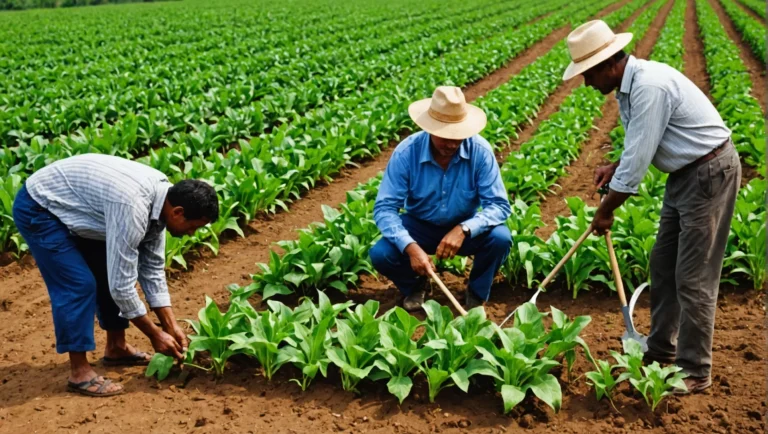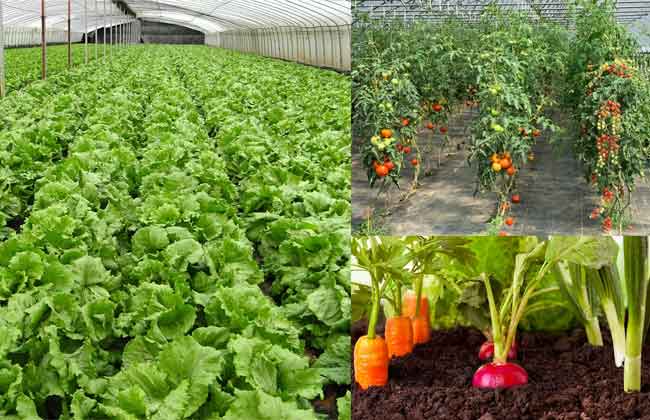

Agriculture is the backbone of many economies, especially in countries like India where millions of farmers depend on crop production and livestock farming for their livelihood. However, farming is highly vulnerable to natural disasters, unpredictable weather conditions, pest attacks, and market fluctuations. This is where an Agriculture Insurance Company plays a vital role. These companies provide financial protection to farmers and help reduce the risks associated with agricultural activities.
What Is an Agriculture Insurance Company?
An agriculture insurance company is a financial service provider that offers insurance policies designed specifically for farmers, agricultural businesses, and rural communities. The primary purpose of agricultural insurance is to provide farmers with compensation for damages brought on by droughts, floods, cyclones, crop diseases, or other unexpected catastrophes.
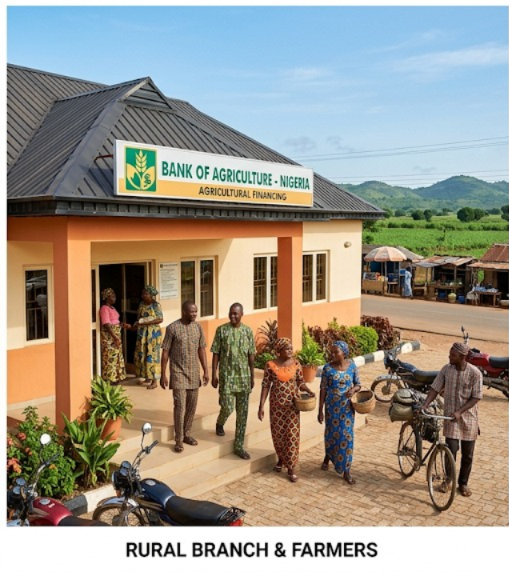
These insurance companies work closely with governments, banks, and agricultural institutions to ensure farmers receive financial support during difficult times. By offering crop insurance, livestock insurance, and farm equipment coverage, they help farmers continue their operations without suffering severe financial losses.
Importance of Agriculture Insurance
Agriculture insurance has become increasingly important due to climate change and unpredictable weather patterns. Farmers invest significant amounts of money in seeds, fertilizers, machinery, and labor. A single natural disaster can destroy an entire season’s income.
Here are some major benefits of agriculture insurance:
1. Financial Security for Farmers
Agriculture insurance provides compensation when crops fail or livestock dies due to natural causes. This financial support helps farmers recover quickly and continue farming activities.
2. Encourages Agricultural Investment
When farmers know their investments are protected, they are more willing to adopt modern farming technologies, better seeds, and advanced irrigation systems. This leads to higher productivity and improved agricultural growth.
3. Reduces Rural Debt
Many farmers take loans for cultivation. Crop failure often pushes them into debt. Insurance companies help minimize this burden by covering part of the financial loss.
4. Supports National Food Security
A stable farming sector ensures consistent food production. Agriculture insurance companies indirectly contribute to food security by protecting farmers from major financial setbacks.
Types of Agricultural Insurance
Agriculture insurance companies offer different types of coverage based on the needs of farmers and agricultural businesses.
Crop Insurance
Crop insurance protects farmers against losses caused by natural disasters, pests, or diseases. It is one of the most common forms of agricultural insurance.
Livestock Insurance
This policy covers animals such as cows, goats, poultry, and buffaloes against accidents, diseases, or death.
Farm Equipment Insurance
Modern farming depends heavily on machinery like tractors, harvesters, and irrigation systems. Equipment insurance protects these valuable assets from damage or theft.
Weather-Based Insurance
Weather insurance provides compensation based on weather conditions such as rainfall levels, temperature, or humidity rather than actual crop damage.
How Agriculture Insurance Companies Work
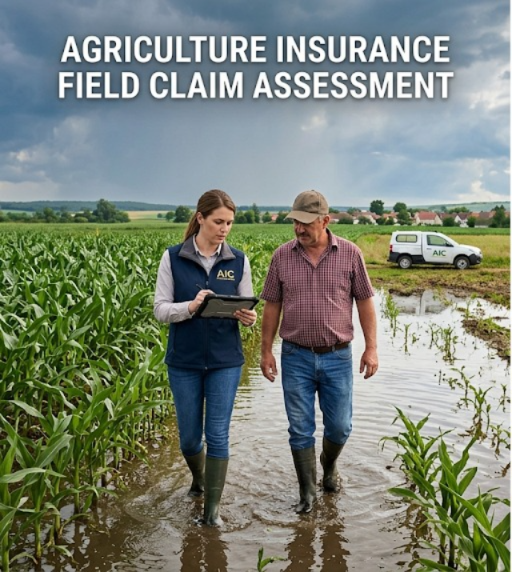
Agriculture insurance companies assess the risk involved in farming activities before offering policies. Farmers pay a premium based on factors such as crop type, land size, and location. If the insured crop or livestock suffers damage due to covered reasons, the farmer can file a claim.
Many governments also subsidize agricultural insurance premiums to make them affordable for small and marginal farmers. In India, schemes like the Pradhan Mantri Fasal Bima Yojana have helped millions of farmers access crop insurance at lower costs.
Challenges Faced by Agriculture Insurance Companies
Despite their importance, agriculture insurance companies face several challenges:
- High risk due to climate uncertainty
- Difficulty in assessing crop damage accurately
- Lack of awareness among rural farmers
- Delays in claim settlements
- Limited insurance penetration in remote areas
To overcome these issues, many companies are now using satellite technology, drones, and digital platforms for faster claim processing and better risk assessment.
Future of Agricultural Insurance
The future of agriculture insurance looks promising with the adoption of advanced technologies and digital solutions. Artificial intelligence, remote sensing, and mobile applications are making insurance services more accessible and efficient for farmers.
As climate risks continue to grow, the demand for reliable agriculture insurance companies will also increase. These companies will play a critical role in ensuring sustainable farming, rural development, and economic stability.
Agriculture Insurance Company are essential for protecting farmers from financial losses caused by natural disasters and agricultural risks. They provide security, encourage investment in farming, and support the overall agricultural economy. With technological advancements and increased awareness, agricultural insurance is expected to become more effective and accessible in the coming years. Farmers who invest in proper insurance coverage can secure their livelihoods and build a stronger future for agriculture.