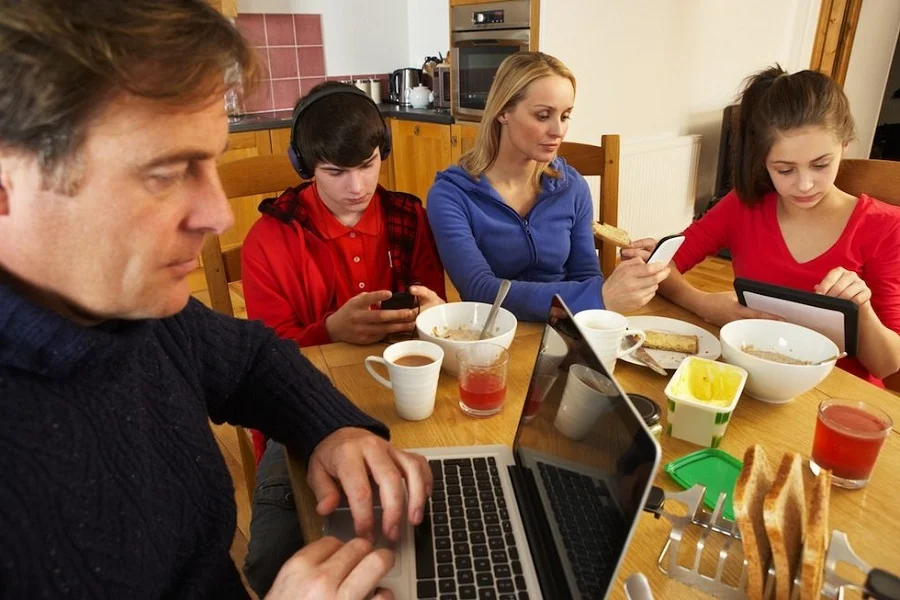
In today’s digital world, screens have become a common part of daily life. While educational videos and apps can have limited benefits, too much screen time may reduce opportunities for toddlers to explore, imagine, and develop essential life skills. Parents and caregivers can encourage healthy development by introducing screen-free activities that naturally inspire creativity, problem-solving, and communication. The best part is that these activities require minimal preparation and create meaningful family moments.
Why Screen-Free Activities Matter for Toddlers
Toddlers learn best through hands-on experiences. Every time they touch, build, paint, or pretend, they strengthen important cognitive, emotional, and physical skills. Screen-free play encourages curiosity, improves attention span, and allows children to interact with the world around them.
Creative activities also help toddlers express their emotions, build confidence, and develop fine motor skills. Unlike passive screen viewing, active play encourages independent thinking and imagination.
Simple Art and Craft Projects
Art is one of the easiest ways to boost creativity without using digital devices. Offer your toddler washable paints, crayons, coloured paper, glue sticks, and child-safe scissors. Allow them to create freely instead of following strict instructions.
Basic activities such as finger painting, leaf printing, or crafting paper animals aid children in identifying colors, shapes, and textures, as well as enhancing hand-eye coordination. Displaying their artwork at home also builds self-esteem and motivates them to continue exploring their creativity.
Encourage Pretend Play
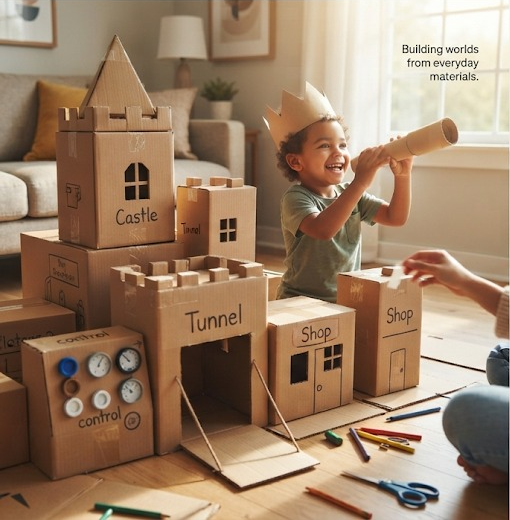
Pretend play is a powerful tool for developing imagination. Toddlers love pretending to be chefs, doctors, teachers, shopkeepers, or superheroes. A few household items can quickly become cooking utensils, medical tools, or treasure maps.
Role-playing helps children improve communication, social interaction, and emotional understanding. It also encourages storytelling, allowing toddlers to invent their own adventures without relying on digital entertainment.
Build with Blocks and Everyday Objects
Building activities strengthen problem-solving skills and spatial awareness. Wooden blocks, stacking cups, cardboard boxes, and plastic containers can all become exciting construction materials.
Encourage your toddler to build towers, bridges, or simple houses. Instead of correcting mistakes, allow them to experiment and discover solutions independently. This process teaches patience, resilience, and creative thinking.
Explore Nature Together
Outdoor adventures provide endless opportunities for creative learning. Visit a local park, garden, or simply explore your backyard. Collect leaves, stones, flowers, or twigs to create nature-inspired artwork at home.
Nature walks also encourage observation skills. Ask your toddler to identify different birds, insects, colours, or sounds. These experiences stimulate curiosity while reducing dependence on screens.
Storytelling and Reading Sessions
Reading books together is one of the most valuable screen-free activities for toddlers. Choose colourful picture books with engaging characters and interactive stories.
After reading, encourage your child to describe the pictures, predict what happens next, or invent an alternative ending. Storytelling develops vocabulary, listening skills, creativity, and early literacy while strengthening the parent-child bond.
Music, Singing, and Dance
Music naturally inspires creativity and self-expression. Sing nursery rhymes, play simple instruments like tambourines or maracas, or create homemade instruments using empty containers filled with rice or beans.
Dance sessions help toddlers improve balance, coordination, and confidence. Encourage them to create their own dance moves or imitate animals while moving to music.
Sensory Play for Creative Learning
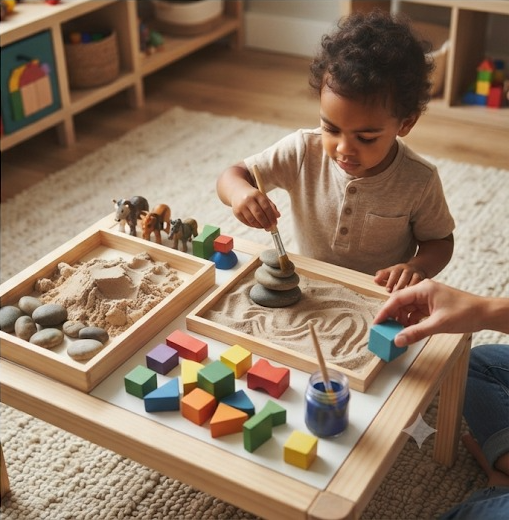
Sensory activities engage multiple senses simultaneously, making learning more enjoyable. Water play, kinetic sand, play dough, rice bins, or foam activities encourage exploration and experimentation.
Provide cups, spoons, toy animals, or small containers for your toddler to sort, scoop, and create imaginary worlds. These activities strengthen fine motor development while encouraging imaginative thinking.
Cooking Together
Simple cooking tasks can become exciting creative experiences. Allow toddlers to wash vegetables, stir ingredients, decorate sandwiches, or arrange fruit into fun shapes.
Cooking introduces early maths concepts, colour recognition, sequencing, and healthy eating habits. It also builds confidence as children proudly contribute to family meals.
Create a Daily Screen-Free Routine
Consistency helps children develop healthy habits. Designate specific times each day for creative play, reading, outdoor exploration, and family interaction. Ensure that art materials and toys are readily available for young children to select activities on their own.
Parents who actively participate in screen-free play create stronger emotional connections while demonstrating that creativity is both enjoyable and rewarding.
Screen-free activities offer toddlers countless opportunities to learn, imagine, and grow. From art projects and pretend play to outdoor adventures and storytelling, these simple experiences nurture creativity, confidence, and essential developmental skills. By encouraging hands-on exploration every day, parents can reduce screen dependence while helping toddlers build a strong foundation for lifelong learning. Small moments of creative play today can inspire curiosity, independence, and joyful discovery for years to come.
Read Also: Wedding Website Design