
Changing your body composition is one of the most effective ways to improve your overall health, fitness, and physical appearance. Unlike simply losing weight, body composition focuses on reducing body fat while preserving or increasing lean muscle mass. Scientific research has consistently shown that combining proper nutrition, resistance training, quality sleep, and recovery delivers the best long-term results. In this article, we’ll explore the scientific ways to change your body composition safely and effectively.
What Is Body Composition?
The percentage of fat, muscle, bone, and water that make up your body is referred to as your body composition. A healthy body composition generally means having a lower percentage of body fat and a higher proportion of lean muscle mass. Improving body composition not only enhances physical appearance but also reduces the risk of chronic diseases such as diabetes, heart disease, and obesity.
Prioritize Strength Training
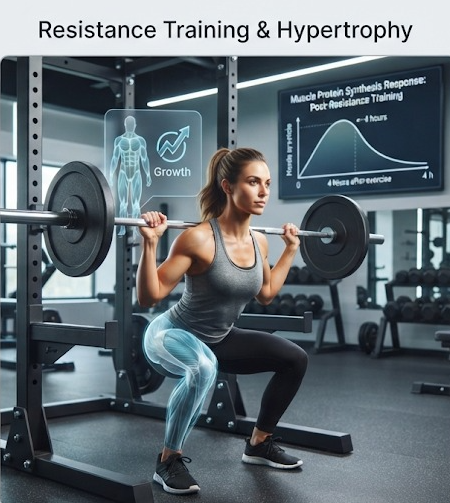
Resistance or strength training is one of the most scientifically proven methods for improving body composition. Lifting weights or performing bodyweight exercises stimulates muscle protein synthesis, helping your body build and maintain muscle tissue.
Aim for at least three to four strength training sessions each week. Focus on compound movements like squats, deadlifts, bench presses, rows, and overhead presses, as they engage multiple muscle groups and maximize calorie expenditure.
Building muscle also increases your resting metabolic rate, meaning your body burns more calories even while at rest.
Consume Enough Protein
In order to create and repair muscle tissue, protein is essential. Research suggests consuming between 1.6 and 2.2 grams of protein per kilogram of body weight daily for individuals looking to improve body composition.
Excellent protein sources include:
- Chicken breast
- Fish
- Eggs
- Greek yogurt
- Cottage cheese
- Lentils
- Tofu
- Beans
- Whey protein
Distributing protein evenly across your meals helps optimize muscle protein synthesis throughout the day.
Maintain a Moderate Calorie Deficit
If your goal is fat loss while preserving muscle, avoid extreme dieting. Instead, create a moderate calorie deficit of around 300 to 500 calories per day. This approach encourages steady fat loss without significantly compromising muscle mass or slowing your metabolism.
Crash diets often lead to muscle loss, nutritional deficiencies, and rapid weight regain.
Include Cardiovascular Exercise
Cardio complements strength training by increasing calorie expenditure and improving heart health. Moderate-intensity activities such as brisk walking, cycling, swimming, or jogging can help accelerate fat loss when combined with a healthy diet.
High-Intensity Interval Training (HIIT) has also been shown to improve cardiovascular fitness while preserving lean muscle during fat loss.
Every week, try to get in 150 to 300 minutes of moderate aerobic exercise.
Prioritize Quality Sleep
Sleep is often overlooked but is essential for body recomposition. During sleep, the body releases hormones responsible for muscle recovery, tissue repair, and fat metabolism.
Every night, adults should strive for seven to nine hours of good sleep. Poor sleep increases cortisol levels, promotes fat storage, and reduces muscle recovery, making it harder to achieve fitness goals.
Stay Hydrated
Proper hydration supports digestion, muscle function, nutrient transport, and exercise performance. Even mild dehydration can reduce workout intensity and recovery.
Drink enough water throughout the day, especially before, during, and after exercise. Hydrating with electrolyte-rich fluids may also benefit individuals engaging in prolonged or intense workouts.
Manage Stress Effectively
Chronic stress elevates cortisol, a hormone linked to increased fat storage, especially around the abdominal area. High stress can also trigger emotional eating and poor lifestyle habits.
Practice stress management techniques such as meditation, deep breathing, yoga, journaling, or spending time outdoors to support healthy hormone balance and sustainable body composition changes.
Track Progress Beyond the Scale
The number on the scale does not always reflect improvements in body composition. As you lose fat and gain muscle, your weight may remain relatively stable.
Instead, monitor your progress using:
- Body measurements
- Progress photos
- Body fat percentage
- Strength improvements
- How your clothes fit
These indicators provide a more accurate picture of your transformation.
Stay Consistent for Long-Term Success
Improving body composition is not about quick fixes or trendy diets. Scientific evidence consistently supports long-term consistency over short-term intensity. Following a balanced nutrition plan, engaging in regular strength training, staying active, sleeping well, and managing stress will produce lasting improvements.
Remember that every individual responds differently based on genetics, age, hormones, and lifestyle. Focus on sustainable habits rather than chasing rapid results.
Changing your body composition requires a science-based approach that combines proper nutrition, resistance training, cardiovascular exercise, adequate protein intake, quality sleep, hydration, and stress management. Instead of focusing solely on weight loss, prioritize building lean muscle while reducing body fat. With patience, consistency, and healthy lifestyle choices, you can achieve a stronger, healthier, and more resilient body while improving your long-term well-being.
Liver Cancer Symptoms Cause and Remedy
Read Also: Medical Website Design