The Presidential Fitness Test was a well-known physical fitness assessment program designed to encourage health, exercise, and physical activity among students in the United States. For decades, it served as a benchmark for measuring the fitness levels of school-aged children and promoting healthy lifestyles. Although the program has evolved over time, its influence on physical education remains significant.
What Is the Presidential Fitness Test?
The Presidential Fitness Test was a school-based fitness program introduced to evaluate the physical fitness of students. It was created to help young people understand the importance of exercise and maintain a healthy level of physical activity. The test measured several components of fitness, including strength, endurance, flexibility, and cardiovascular health.
Students who performed exceptionally well were often recognized with awards and certificates, making the program both motivational and educational. The initiative aimed to encourage lifelong fitness habits and improve overall health among children and teenagers.
History of the Presidential Fitness Test
The origins of the Presidential Fitness Test can be traced back to the 1950s when concerns arose about the physical fitness levels of American youth. In response, government leaders and health experts developed a program to assess and improve student fitness.
Over the years, the test became a standard part of physical education programs across the country. It gained widespread recognition and was supported by several U.S. presidents, which contributed to its popularity. The program continued to evolve as researchers learned more about health, exercise science, and child development.
Components of the Presidential Fitness Test
The Presidential Fitness Test included a variety of physical activities designed to evaluate different aspects of fitness. Common test components included:
1. Curl-Ups
This exercise measured abdominal strength and endurance. Students performed a specific number of curl-ups within a set time period.
2. Push-Ups
Push-ups assessed upper-body strength and muscular endurance. Participants completed as many correct repetitions as possible.
3. Sit-and-Reach Test
The sit-and-reach exercise evaluated flexibility, particularly in the lower back and hamstring muscles.
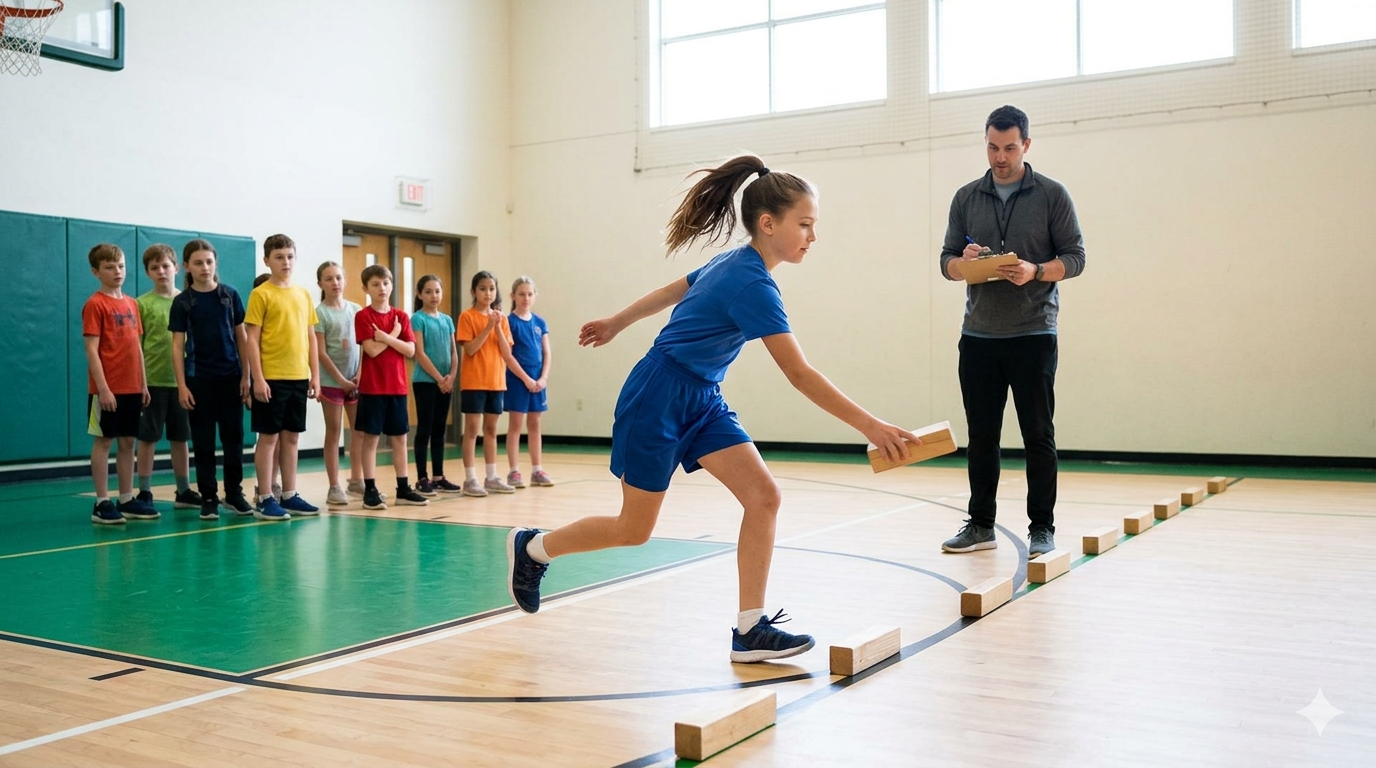
4. Shuttle Run
This activity tested agility, speed, and coordination by requiring students to run back and forth between designated points.
5. One-Mile Run
The one-mile run measured cardiovascular endurance and overall aerobic fitness.
These activities provided educators with valuable information about students’ physical health and fitness levels.
Benefits of the Presidential Fitness Test
The Presidential Fitness Test offered several advantages for students and schools. First, it promoted awareness about physical fitness and healthy living. Students learned the importance of regular exercise and maintaining an active lifestyle.
Second, the program encouraged goal setting and personal achievement. Many students were motivated to improve their performance and earn recognition for their efforts. This helped build confidence and fostered a positive attitude toward physical activity.
Additionally, the test provided schools with a structured method for tracking student fitness and identifying areas where improvement was needed.
Transition to Modern Fitness Programs
In 2012, the Presidential Fitness Test was replaced by the Presidential Youth Fitness Program. The updated program shifted the focus from competition and performance rankings to overall health and personal fitness improvement.
The new approach emphasizes individual progress, health education, and long-term wellness rather than comparing students against national standards. This change reflects modern understanding of fitness and encourages students of all ability levels to participate in physical activity.
The Presidential Fitness Test played a major role in promoting physical fitness among generations of students. By measuring strength, endurance, flexibility, and cardiovascular health, the program helped raise awareness about the importance of exercise and healthy living. While the original test has been replaced by a more health-focused model, its legacy continues to influence physical education programs today. Encouraging regular physical activity remains essential for developing healthy, active, and confident young individuals.
Liver Cancer Symptoms Cause and Remedy
Read Also: Medical Website Design