

As consumers become more environmentally conscious, the fashion and textile industries are undergoing a significant transformation. One of the fastest-growing innovations is plant-based leather, a sustainable alternative to traditional animal leather and petroleum-based synthetic leather. Made from renewable natural materials such as pineapple leaves, cactus, mushrooms, apples, and cork, plant-based leather is reshaping the future of fashion by offering eco-friendly, cruelty-free, and biodegradable solutions.
This growing textile trend is not only reducing environmental impact but also creating new business opportunities across the global fashion industry.
What Is Plant-Based Leather?
Plant-based leather is an innovative material created from agricultural waste or renewable plant fibers instead of animal hides. Unlike conventional leather, which requires intensive water usage and chemical tanning, plant-based leather uses natural resources and environmentally friendly production methods.
Manufacturers often combine plant fibers with bio-based polymers to improve durability while maintaining flexibility and comfort. As technology advances, newer materials are becoming increasingly similar to genuine leather in both appearance and performance.
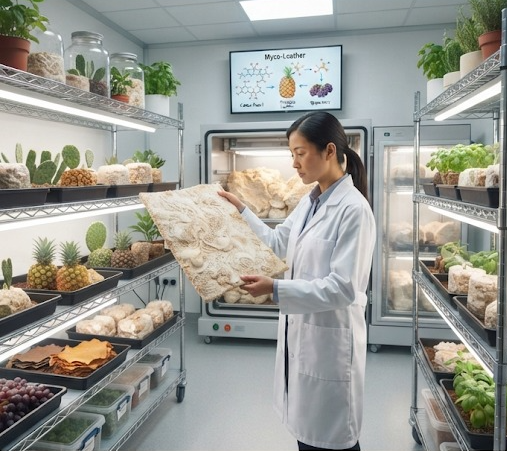
Popular Types of Plant-Based Leather
Several natural materials are leading the sustainable textile revolution:
Pineapple Leaf Leather (Piñatex)
Produced from discarded pineapple leaves, Piñatex transforms agricultural waste into a durable textile. It requires no additional farmland and provides farmers with extra income while reducing waste.
Mushroom Leather
Also known as mycelium leather, this material is grown from the root structure of mushrooms. It grows rapidly, requires minimal resources, and naturally biodegrades after disposal.
Cactus Leather
Made from mature cactus leaves, cactus leather uses very little water during cultivation. It offers excellent flexibility, softness, and durability, making it ideal for handbags, footwear, and accessories.
Apple Leather
Apple leather utilizes leftover apple peels and pulp from the juice industry. By converting food waste into valuable textile materials, manufacturers support the circular economy.
Cork Leather
Harvested without harming cork oak trees, cork leather is lightweight, waterproof, naturally textured, and highly renewable.
Why Plant-Based Leather Is Growing Rapidly
The popularity of plant-based leather continues to rise due to several important factors.
Increasing Consumer Awareness
Modern consumers are paying greater attention to sustainability, ethical sourcing, and environmental responsibility. Many shoppers now actively seek products that avoid animal cruelty while reducing carbon emissions.
Environmental Benefits
Traditional leather production contributes significantly to greenhouse gas emissions, water pollution, and chemical waste. Plant-based alternatives generally require fewer natural resources and generate a much smaller environmental footprint.
Support from Fashion Brands
Leading fashion brands are investing heavily in sustainable materials as part of their environmental commitments. The demand for innovative leather alternatives continues to increase as companies work toward carbon neutrality and circular manufacturing.
Technological Innovation
Continuous research has improved the strength, texture, and durability of plant-based leather. New manufacturing techniques allow these materials to compete with traditional leather in both quality and appearance.
Benefits of Plant-Based Leather
Plant-based leather offers numerous advantages for consumers and manufacturers alike.
- Cruelty-free and vegan-friendly
- Lower carbon footprint
- Reduced water consumption
- Utilizes agricultural waste
- Supports circular economy initiatives
- Lightweight and flexible
- Increasingly biodegradable
- Suitable for fashion, furniture, automotive, and accessories
These benefits make plant-based leather one of the most promising sustainable textiles available today.
Challenges Facing the Industry
Despite its rapid growth, plant-based leather still faces several challenges.
Production costs remain higher than traditional synthetic materials, limiting widespread adoption. Some products still require small amounts of polyurethane or other binding materials to improve durability, making complete biodegradability difficult. Additionally, large-scale manufacturing infrastructure is still developing in many regions.
However, ongoing innovation is steadily overcoming these limitations, making plant-based leather more affordable and accessible every year.
Future Outlook for Sustainable Textiles
Industry experts expect the global market for plant-based leather to expand significantly over the coming decade. Growing government regulations, increasing investment in sustainable technologies, and rising consumer demand are encouraging manufacturers to adopt greener production methods.
Beyond fashion, plant-based leather is finding applications in automotive interiors, furniture, electronics accessories, and luxury goods. As research continues, next-generation bio-based materials are expected to become stronger, more affordable, and fully biodegradable.
Plant-based leather represents one of the most exciting developments in sustainable textiles. By transforming agricultural waste and renewable resources into high-quality leather alternatives, this innovative material addresses many of the environmental challenges associated with conventional leather production.
As technology advances and consumer awareness continues to grow, plant-based leather is poised to become a mainstream material across multiple industries. Its combination of sustainability, performance, and ethical production makes it a powerful driver of the future textile market.
10 Must-Have Accessories to Elevate Your Style
Beauty Pageants website design