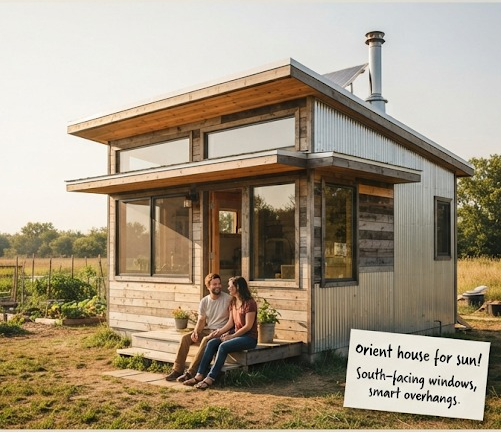
Creating an energy-efficient home doesn’t have to be expensive. With careful planning, smart material choices, and practical design strategies, you can build or renovate a home that reduces electricity bills while providing comfort throughout the year. Whether you’re constructing a new house or upgrading an existing one, designing an energy-efficient home on a small budget is both achievable and rewarding.
Why Energy-Efficient Homes Matter
Energy-efficient homes consume less electricity and water, helping homeowners reduce monthly utility costs. They also create healthier indoor environments by maintaining better air quality and comfortable temperatures. Additionally, energy-efficient homes reduce carbon emissions, making them an environmentally responsible choice.
The best part is that many energy-saving improvements require thoughtful planning rather than large investments.
Maximize Natural Light
One of the simplest ways to reduce electricity consumption is by making the most of natural daylight. Position windows to allow sunlight into living spaces during the day. Larger windows on the south-facing side (in many climates) can brighten interiors without relying heavily on artificial lighting.
Use light-colored walls and ceilings to reflect sunlight throughout your home. This small design decision improves brightness while reducing the need for additional light fixtures.
Improve Natural Ventilation
Good airflow helps keep your home cool without excessive use of air conditioners. Place windows on opposite walls to encourage cross-ventilation, allowing fresh air to circulate naturally.
Adding roof vents, ventilated windows, or ceiling fans can further improve indoor comfort while consuming much less energy than cooling systems.
Choose Affordable Insulation
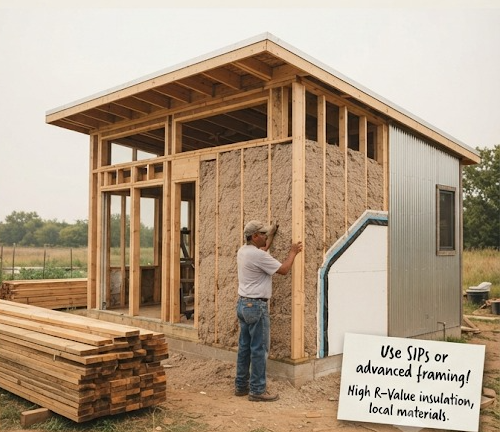
Proper insulation prevents heat from entering during summer and escaping during winter. While premium insulation materials may be costly, there are budget-friendly alternatives such as fiberglass, cellulose, or recycled insulation products.
Insulating the roof, walls, and attic significantly improves energy efficiency and lowers heating and cooling expenses over time.
Install Energy-Efficient Lighting
Replacing traditional bulbs with LED lighting is one of the most affordable upgrades for any home. LED bulbs consume up to 80% less electricity and last much longer than incandescent bulbs.
Use motion sensors in outdoor areas or less frequently used rooms to avoid unnecessary energy consumption.
Select Energy-Efficient Appliances
When purchasing appliances, choose models with high energy-efficiency ratings. Although they may cost slightly more initially, they consume less electricity and reduce long-term operating costs.
Prioritize efficient refrigerators, washing machines, fans, and air conditioners, as these appliances typically account for a large share of household energy use.
Use Sustainable and Local Building Materials
Locally sourced construction materials often cost less because transportation expenses are lower. Materials such as fly ash bricks, recycled wood, bamboo, or locally produced concrete blocks can reduce construction costs while supporting sustainable building practices.
These materials also minimize environmental impact and contribute to greener construction.
Harvest Rainwater and Save Water
Rainwater harvesting systems are affordable additions that help reduce dependence on municipal water supplies. Collected rainwater can be used for gardening, cleaning, or flushing toilets.
Installing low-flow faucets, dual-flush toilets, and water-saving showerheads further reduces water consumption and utility bills.
Add Solar Power When Possible
You don’t need a complete solar system immediately. Start with small solar-powered outdoor lights or a solar water heater. As your budget allows, expand to rooftop solar panels that generate electricity and reduce reliance on the power grid.
Many governments also provide incentives and rebates that make solar energy more affordable.
Plan for Long-Term Savings
The goal of an energy-efficient home is not simply reducing construction costs but lowering lifetime expenses. Spending a little extra on insulation, efficient windows, or LED lighting today can result in substantial savings over many years.
Proper maintenance, regular inspections, and smart energy habits further improve your home’s efficiency without requiring major investments.
Designing an energy-efficient home on a small budget is about making smart decisions rather than spending large amounts of money. By maximizing natural light, improving ventilation, using affordable insulation, selecting efficient appliances, and incorporating sustainable materials, homeowners can enjoy lower utility bills and greater comfort. Even small improvements can make a significant difference over time. With thoughtful planning and practical design choices, anyone can create an affordable, environmentally friendly home that delivers lasting value for both the family and the planet.
Andaman and Nicobar Islands Forests
Tours And Travels Website Design