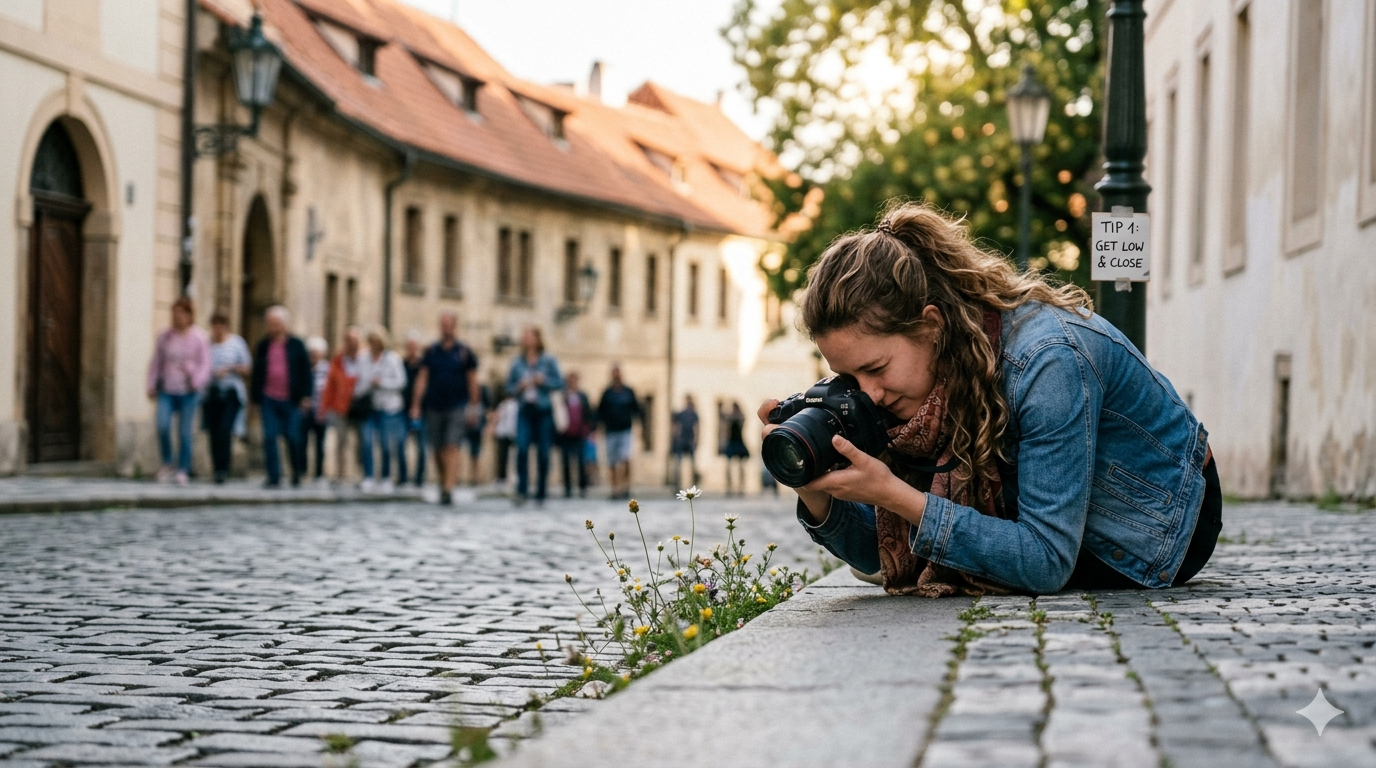

Photography Lighting Basics is one of the most important elements of capturing high-quality images. Whether you are using a DSLR camera, mirrorless camera, or even a smartphone, understanding lighting basics can dramatically improve your photography skills. Good lighting helps create mood, depth, sharpness, and professional-looking photos. In this guide, you will learn the fundamentals of photography lighting and how to use light effectively.
Why Lighting is Important in Photography
Lighting affects every detail in a photograph, including color, contrast, texture, and focus. Even the best camera cannot produce stunning images in poor lighting conditions. Proper lighting helps highlight the subject while reducing unwanted shadows and noise.
Professional photographers often say that photography is all about “painting with light.” Learning how light behaves allows photographers to create visually appealing and balanced images.
Types of Natural Lighting
Natural light comes from the sun and is widely used in photography. Understanding different types of sunlight can help you capture better images.
Golden Hour Lighting
Golden hour occurs shortly after sunrise and before sunset. During this time, the sunlight is soft, warm, and flattering. It creates beautiful tones and reduces harsh shadows, making it ideal for portrait and landscape photography.
Midday Lighting
Midday sunlight is bright and intense. It often creates strong shadows and highlights. While it can be challenging to work with, photographers can still achieve great results by using reflectors, shade, or adjusting camera angles.
Blue Hour Lighting
Blue hour happens just before sunrise or after sunset. The sky appears cool and blue, creating a calm and cinematic atmosphere. This lighting works well for cityscapes and creative photography.
Understanding Artificial Lighting
Artificial lighting is created using equipment like LED lights, flash units, ring lights, and studio softboxes. These tools provide photographers with greater control over brightness and direction.
Soft Light
Soft light creates smooth shadows and even illumination. It is commonly used in portrait photography because it makes skin tones appear natural and flattering. Softboxes and diffusers are often used to produce soft light.
Hard Light
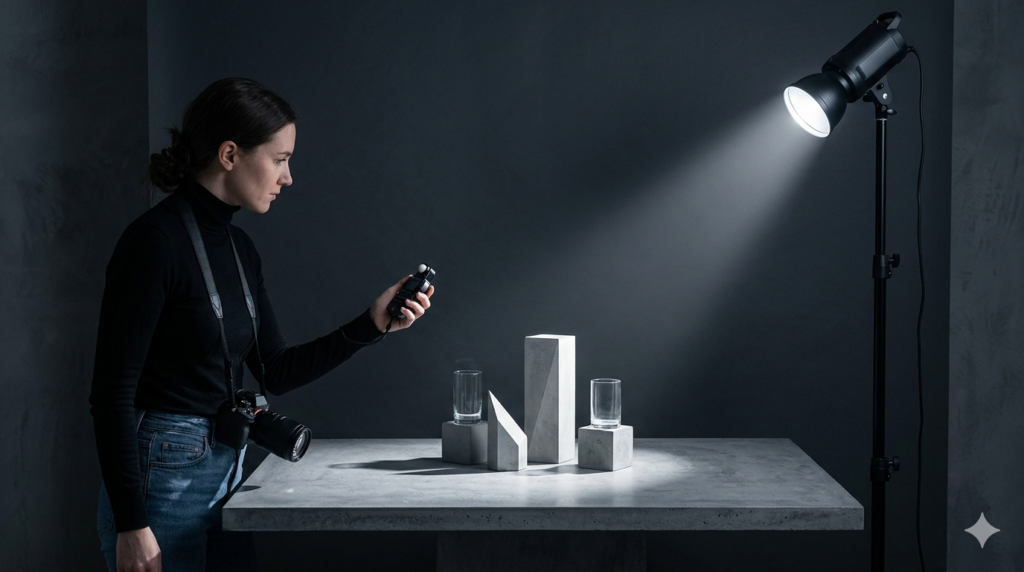
Hard light creates sharp shadows and strong contrast. It can add drama and depth to photos when used correctly. Direct sunlight or an undiffused flash are common examples of hard light sources.
Basic Lighting Techniques
Learning a few simple lighting techniques can improve your photography quickly.
Front Lighting
Front lighting occurs when the light source faces the subject directly. This setup evenly lights the subject and minimizes shadows, making it suitable for beginner photographers.
Side Lighting
Side lighting creates depth and texture by illuminating one side of the subject. It is commonly used in portrait and product photography to add dimension.
Backlighting
Backlighting places the light source behind the subject. This technique can create silhouettes, glowing edges, and artistic effects. Adjusting exposure settings is important when shooting with backlighting.
Using Reflectors and Diffusers
To lessen shadows, light is reflected back onto the subject by reflectors. They are affordable and useful for outdoor photography. White reflectors create soft light, while silver reflectors produce brighter reflections.
Diffusers soften harsh light and create a more balanced appearance. Photographers often use diffusers during sunny conditions to avoid strong shadows on the subject’s face.
Best Lighting Tips for Beginners
Here are some simple photography lighting tips for beginners:
- Shoot during golden hour for softer natural light.
- Avoid harsh midday sunlight whenever possible.
- Experiment with different light angles.
- Use reflectors to brighten shadow areas.
- Practice indoor lighting with lamps or LED lights.
- Learn how camera exposure settings affect lighting.
Consistent practice helps photographers understand how light changes in different environments.
Common Lighting Mistakes to Avoid
Many beginners make lighting mistakes that reduce image quality. Overexposed photos, underexposed images, and harsh shadows are common problems. Avoid placing strong light directly above your subject, especially for portraits. Also, avoid mixing multiple light colors because it can create unnatural skin tones.
Checking your camera settings and reviewing images carefully can help you identify lighting issues quickly.
Mastering Photography Lighting Basics is essential for capturing professional and visually attractive photos. By understanding natural light, artificial light, and basic lighting techniques, beginners can improve their photography skills significantly. Lighting practice takes time, but learning how to control and use light effectively will make every photo look better. Whether you are shooting portraits, landscapes, or products, proper lighting is the key to stunning photography results.
Read Also: Advertisement Marketing