Photography is more than simply pointing a camera and pressing a button. It is an art that allows you to tell stories, express emotions, and capture memorable moments. For beginners, learning a few creative photography techniques can significantly improve image quality and help develop a unique style. Whether you’re using a DSLR, mirrorless camera, or smartphone, these creative photography tips will help you take better photos and boost your photography skills.
1. Understand the Rule of Thirds
One of the most important photography composition techniques is the Rule of Thirds. Thirds.Imagine two horizontal and two vertical lines dividing your frame into nine equal portions. To produce a balanced and eye-catching picture, place your subject along these lines or at their intersections.
Most smartphones and cameras offer a grid feature that makes applying the Rule of Thirds easy. This simple technique can instantly improve your photo composition.
2. Experiment with Different Perspectives
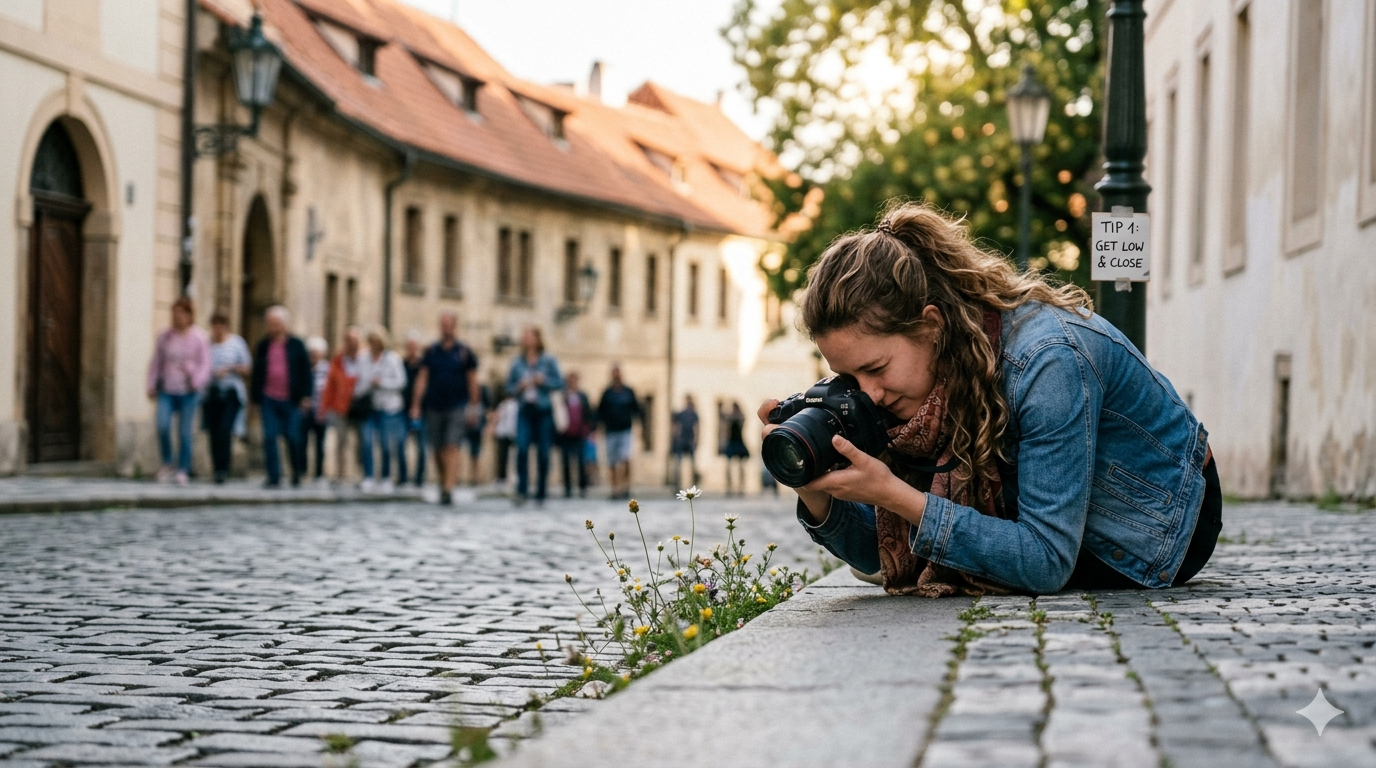
Many beginners take photos at eye level, but changing your perspective can make your images stand out. To make subjects appear larger and more dramatic, try taking pictures from a low angle. Alternatively, shoot from above for a unique bird’s-eye view.
Exploring different angles helps create depth and adds creativity to your photography.
3. Use Natural Light Effectively
One of the most crucial aspects of photography is lighting. Natural light can transform an ordinary image into something extraordinary. The best times for outdoor photography are during the “Golden Hour”—shortly after sunrise and before sunset.
Soft, warm light during these periods creates beautiful shadows and enhances colors. Avoid harsh midday sunlight whenever possible, as it can create unwanted shadows and overexposed highlights.
4. Focus on Leading Lines
Leading lines guide the viewer’s eyes toward the main subject of your photograph. Roads, fences, rivers, pathways, and architectural structures often create natural leading lines.
Using these elements strategically can make your images more engaging and visually dynamic while improving overall composition.
5. Try Creative Framing
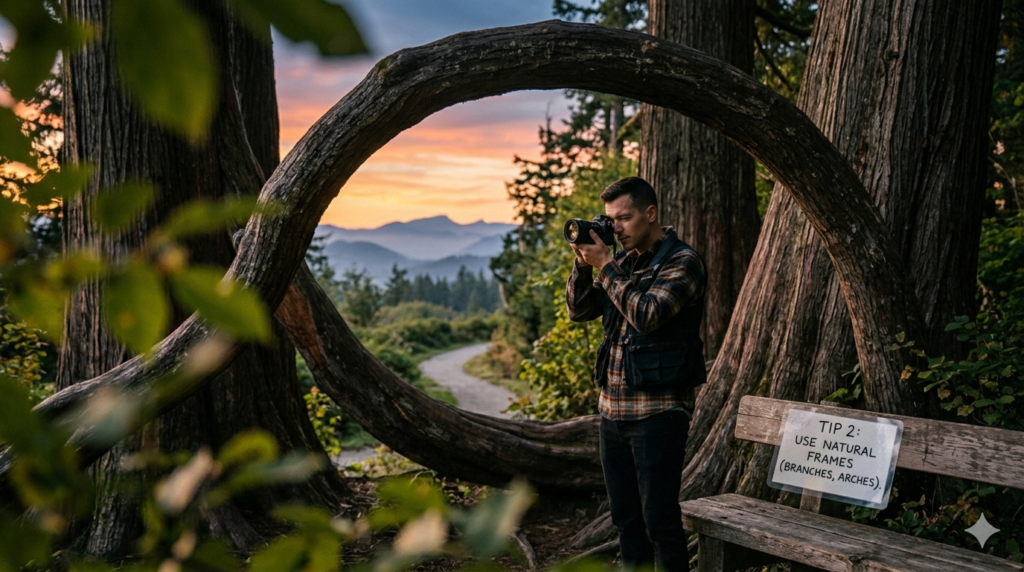
Framing involves using objects around your subject to create a natural border within the image. Doorways, windows, tree branches, and arches make excellent framing elements.
Creative framing helps draw attention to your subject and adds depth to the photograph, making it more visually appealing.
6. Learn Basic Editing Techniques
Pressing the shutter button is not the end of photography. Basic photo editing can enhance colors, improve exposure, and correct minor imperfections.
Popular editing tools such as Adobe Lightroom, Snapseed, and Photoshop allow beginners to make professional-looking adjustments. However, avoid excessive editing that makes images appear unnatural.
7. Capture Motion Creatively
Motion photography can add excitement and energy to your images. Experiment with moving subjects like cars, cyclists, or flowing water. Using slower shutter speeds can create beautiful motion blur effects, while faster shutter speeds can freeze action perfectly.
Learning to control motion helps you create more artistic and dynamic photographs.
8. Keep Your Background Clean
A cluttered background can distract viewers from your main subject. Before taking a photo, check the background carefully and remove unnecessary distractions if possible.
A simple background helps the subject stand out and creates a cleaner, more professional-looking image.
9. Practice Storytelling Through Photography
Great photographs often tell a story. Instead of focusing only on technical settings, think about the message or emotion you want to convey. Capture genuine expressions, interesting moments, and meaningful details that help viewers connect with your images.
Storytelling photography creates a stronger emotional impact and makes your work more memorable.
Creative photography is a skill that improves with practice and experimentation. By understanding composition, using natural light, exploring unique perspectives, and focusing on storytelling, beginners can dramatically enhance their photography results. Remember that every great photographer started as a beginner. Keep practicing, stay curious, and don’t be afraid to try new techniques. With time and creativity, you’ll develop your own photographic style and capture stunning images that truly stand out.
Read Also: Advertisement Marketing