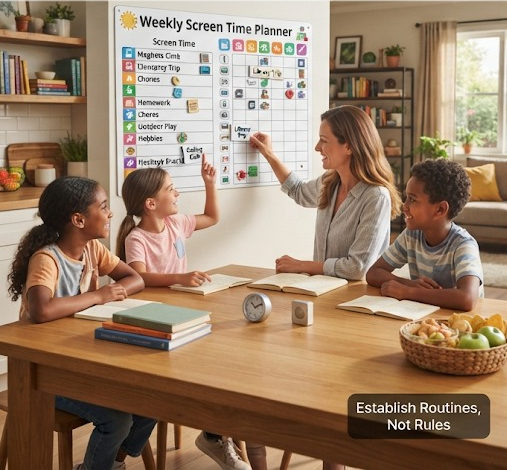
In today’s digital world, screens have become a regular part of children’s lives. From online learning to entertainment and social interaction, smartphones, tablets, and computers are everywhere. However, excessive screen time can affect a child’s physical health, sleep, concentration, and emotional well-being. The challenge for many parents is setting limits without turning every conversation into an argument. Fortunately, with the right approach, you can manage kid screen time peacefully while helping your child develop healthy digital habits.
Why Screen Time Management Matters
Children need a balance between digital activities and real-world experiences. Spending too much time on screens may reduce physical activity, interrupt sleep schedules, and limit face-to-face communication. By managing screen time wisely, parents encourage creativity, outdoor play, reading, and family bonding, all of which contribute to healthy growth and development.
Instead of treating screens as the enemy, focus on teaching responsible and balanced use.
Set Clear Rules Together
Kids react more positively when they comprehend the rationale behind household regulations. Rather than suddenly taking away devices, involve them in creating screen time guidelines.
For example, agree on:
- Daily screen time limits
- No devices during meals
- Screen-free bedtime routine
- Homework before entertainment
When children help create the rules, they feel respected and are more likely to follow them without resistance.
Create a Consistent Daily Routine
Consistency reduces conflict because children know what to expect. Establish a schedule that includes schoolwork, outdoor play, hobbies, family time, and limited screen use.
A predictable routine helps children transition smoothly between activities instead of feeling like screens are being taken away unexpectedly.
Give Warnings Before Screen Time Ends
One of the biggest causes of arguments is stopping screen time without notice. Instead, give gentle reminders.
Try saying:
- “You have 15 minutes left.”
- “Five more minutes, then it’s dinner.”
- “Finish this level, and then we’ll put the tablet away.”
These countdowns prepare children mentally and reduce frustration.

Be a Positive Role Model
Children learn by observing adults. If parents constantly check their phones, children may question why different rules apply to them.
Practice healthy digital habits by:
- Putting your phone away during meals.
- Spending quality family time without screens.
- Reading books or enjoying outdoor activities together.
Leading by example builds trust and encourages children to imitate positive behavior.
Offer Fun Alternatives
Many children use screens simply because they are bored. Replace screen time with engaging activities that capture their interest.
Great alternatives include:
- Arts and crafts
- Board games
- Reading books
- Gardening
- Cycling or outdoor sports
- Cooking together
- Music and dancing
When children enjoy other activities, they naturally spend less time on digital devices.
Avoid Using Screens as Rewards or Punishments
Using screens to reward good behavior or punish bad behavior can make devices seem even more valuable. Instead, treat screen time as one balanced part of the day.
Praise positive behavior with quality time, encouraging words, or enjoyable family activities rather than additional screen access.
Use Parental Controls Wisely
Technology can support healthy screen habits. Most smartphones, tablets, gaming consoles, and streaming platforms include parental controls that help parents:
- Set daily time limits
- Block inappropriate content
- Monitor app usage
- Schedule device downtime
These tools reduce the need for constant reminders and help enforce rules fairly.
Encourage Open Conversations
Instead of criticizing your child’s screen habits, ask questions about what they enjoy watching or playing. Show genuine interest in their digital world.
Discuss topics such as:
- Online safety
- Cyberbullying
- Privacy
- Educational content
- Healthy social media habits
Open communication builds trust and makes children more willing to accept guidance.
Focus on Progress, Not Perfection
Reducing screen time is a gradual process. Some days will go smoothly, while others may be challenging. Celebrate small improvements rather than expecting instant success.
If your child follows the agreed schedule or willingly turns off a device, acknowledge their effort with positive encouragement.
Managing kid screen time without arguments is possible when parents replace control with communication, consistency, and understanding. Setting clear expectations, creating enjoyable offline activities, and modeling healthy digital habits can transform daily struggles into positive learning experiences. Remember that the goal isn’t to eliminate screens completely but to teach children how to use technology responsibly. With patience and teamwork, families can build healthier relationships with screens while enjoying more meaningful time together.
Read Also: Wedding Website Design