Planning for retirement is one of the most important financial decisions you can make. A well-structured Retirement Plan helps you maintain your lifestyle, cover healthcare expenses, and enjoy financial freedom during your golden years. Whether you are in your 20s, 40s, or nearing retirement age, creating a retirement plan early can significantly improve your long-term financial stability.
Why Is a Retirement Plan Important?
A Retirement Plan provides a clear roadmap for achieving your financial goals after you stop working. Without proper planning, you may struggle to cover daily expenses, medical costs, or unexpected emergencies. By starting early, you can benefit from compound growth and build a substantial retirement fund over time.
Additionally, a retirement plan reduces financial stress and gives you confidence about your future. It allows you to enjoy retirement without worrying about running out of money.
Assess Your Retirement Goals
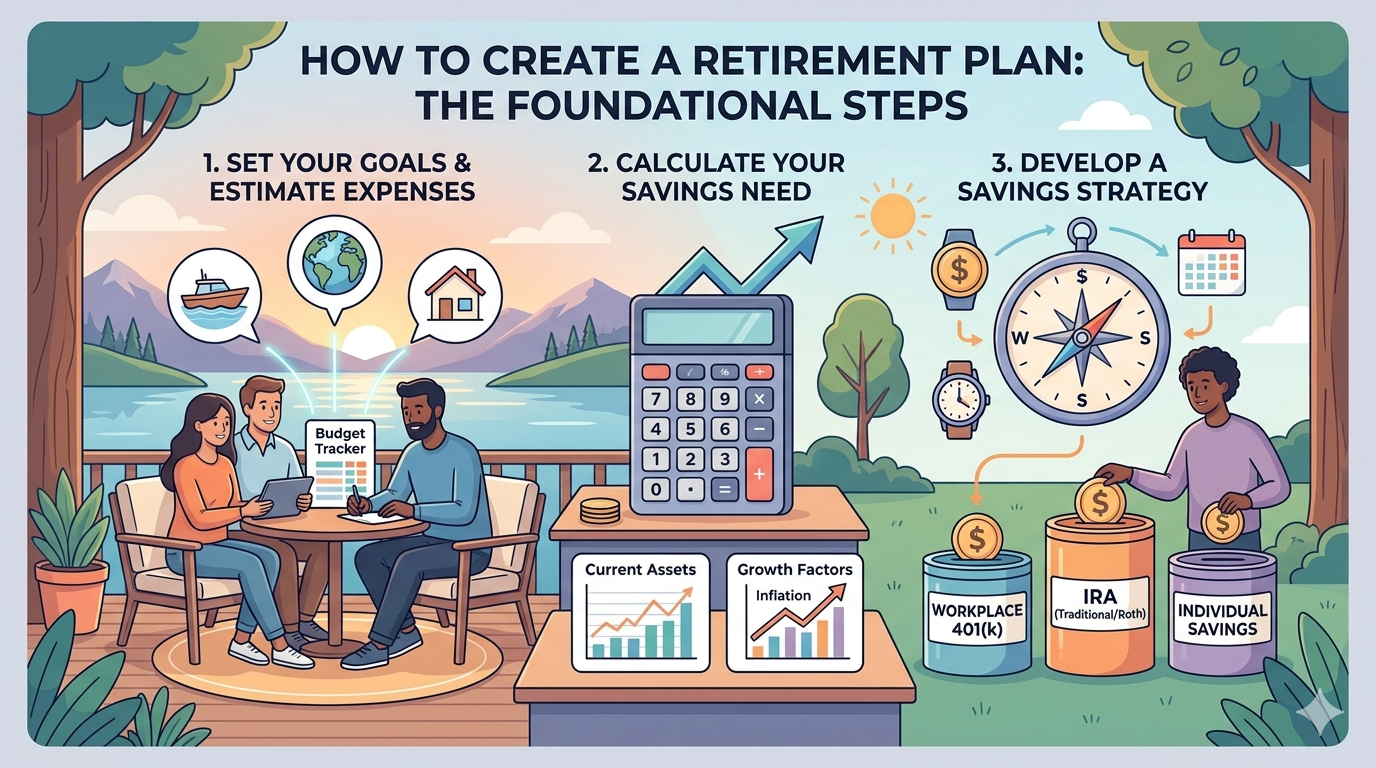
The first step in creating a retirement plan is determining your retirement goals. Consider the lifestyle you want to maintain after retirement. Ask yourself the following questions:
- At what age do you want to retire?
- Where do you plan to live?
- What activities or hobbies will you pursue?
- How much income will you need each month?
Having well-defined goals makes it easier to determine how much money is needed for a comfortable retirement.
Calculate Your Retirement Needs
Once you establish your goals, calculate how much money you will need during retirement. Consider factors such as:
- Monthly living expenses
- Healthcare and insurance costs
- Inflation
- Travel and leisure activities
- Emergency funds
Financial experts often suggest aiming for 70% to 80% of your pre-retirement income to maintain a similar lifestyle after retirement.
Start Saving Early
One of the most effective retirement planning strategies is to start saving as early as possible. The earlier you begin, the more time your investments have to grow through compound interest.
Even small contributions made consistently can accumulate into a significant retirement corpus over several decades. Make retirement savings a priority by setting aside a fixed percentage of your income every month.
Diversify Your Investments
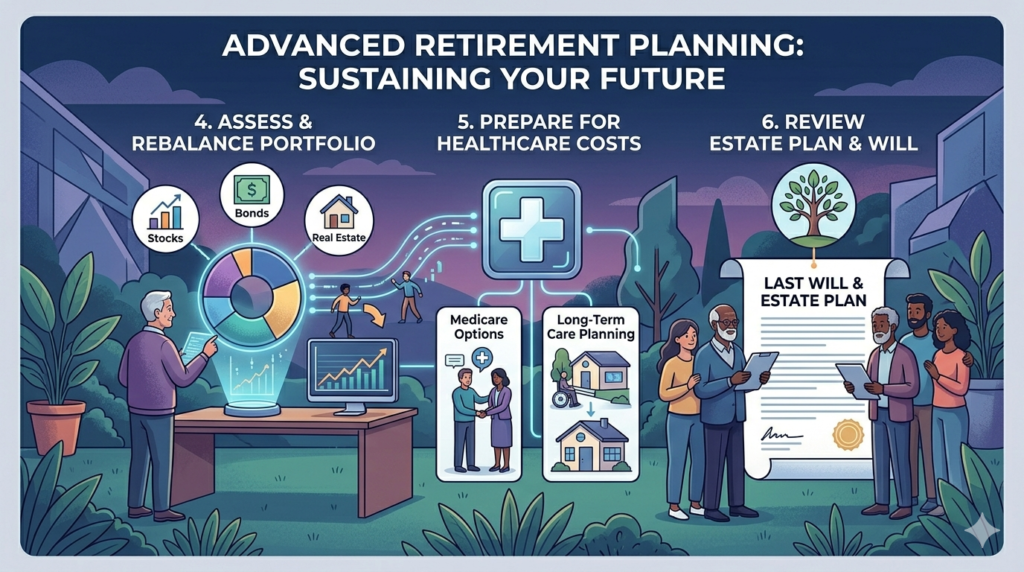
A successful retirement plan should include a diversified investment portfolio. Diversification helps reduce risk and improve long-term returns. Consider investing in:
- Mutual funds
- Stocks
- Bonds
- Fixed deposits
- Retirement accounts
- Real estate investments
Your investment mix should depend on your age, risk tolerance, and financial goals. Younger individuals often have a greater ability to handle risk, whereas people who are close to retirement tend to favor more secure investment choices.
Build an Emergency Fund
Unexpected expenses can derail your retirement savings plan. Creating an emergency fund helps protect your retirement investments from being used during financial emergencies.
The goal is to save enough money to cover at least three to six months of regular living costs in a different account that is simple to reach when needed. This financial cushion can provide peace of mind and support during difficult situations.
Review and Adjust Your Plan Regularly
Retirement planning is not a one-time task. Your income, expenses, goals, and market conditions may change over time. Review your retirement plan annually to ensure it remains aligned with your objectives.
Make adjustments when necessary, such as increasing contributions, changing investment allocations, or updating retirement age expectations. Regular monitoring helps keep your plan on track.
Seek Professional Financial Advice
If retirement planning feels overwhelming, consider consulting a financial advisor. A professional can help you create a customized retirement strategy, optimize investments, and identify potential risks.
Expert guidance can improve your chances of achieving long-term financial security and help you make informed decisions throughout your retirement journey.
Create a Retirement Plan is essential for achieving financial independence and peace of mind later in life. By setting clear goals, saving consistently, diversifying investments, and reviewing your progress regularly, you can build a strong financial foundation for retirement. The sooner you start planning, the greater your chances of enjoying a comfortable and worry-free retirement.
What Happens After the Death of a Human
Read Also: Html Static Website Design