
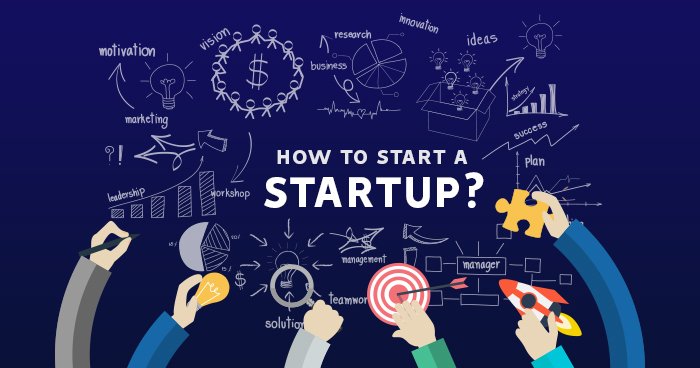
How to Start a Startup?, Starting a startup is one of the most exciting and challenging journeys in the business world. It requires creativity, planning, execution, and persistence. Many successful companies today began as small startup ideas driven by passion and problem-solving. If you are planning to start your own startup, this guide will help you understand the essential steps in a simple and practical way.
1. Identify a Problem and Build an Idea Around It
Every successful startup begins with a real-world problem. Instead of just thinking about a business idea, focus on identifying gaps in the market. Ask yourself:
- What problems do people face daily?
- Can I solve this problem better than existing solutions?
Once you identify a problem, build a startup idea that offers a unique solution. A strong idea does not need to be complicated; it just needs to be useful and scalable.
2. Do Proper Market Research
Before investing time or money, it is important to research your market. Learn about your target market, rivals, and industry trends. Market research helps you validate whether your idea has real demand.
You can use surveys, online tools, competitor analysis, and social media insights to gather information. A startup with no market demand is unlikely to succeed, no matter how innovative it seems.
3. Create a Strong Business Plan
A business plan is the foundation of your startup. It acts as a roadmap that guides your actions and decisions. Your business plan should include:
- Business goals and vision
- Target audience
- Revenue model
- Marketing strategy
- Budget and financial planning
A well-structured plan helps you stay focused and also attracts investors if you need funding.
4. Build a Minimum Viable Product (MVP)
Instead of building a full product at once, start with a Minimum Viable Product (MVP). An MVP is a basic version of your product with essential features. It allows you to test your idea in the real market.
By launching an MVP, you can:
- Get early user feedback
- Improve your product
- Save time and money
This step is crucial for reducing risk and improving success chances.
5. Register Your Startup Legally
To operate professionally, you must register your startup according to your country’s legal requirements. This may include:
- Business registration
- Tax identification number
- Licenses and permits
Legal registration builds trust and protects your business from future complications.
6. Build a Strong Team
A startup cannot grow alone. You need a team with different skills such as development, marketing, design, and finance. Choose people who share your vision and are willing to grow with the company.
A motivated team is one of the biggest strengths of any successful startup.
7. Focus on Marketing and Branding
Without sufficient marketing, even a superb product will fail. Build your brand identity and promote your startup through:
- Social media marketing
- SEO (Search Engine Optimization)
- Email marketing
- Paid ads
Strong branding helps your startup gain visibility and trust in the market.
8. Use Feedback to Improve
Customer feedback is very important in the early stages. Listen to your users and continuously improve your product or service. Successful startups evolve based on customer needs and market demand.
9. Scale Your Startup Gradually
Once your startup starts gaining traction, focus on scaling. Expand your team, improve your product, and explore new markets. Scaling should be done carefully to maintain quality and performance.
So,How to Start a Startup?, Starting a startup is not easy, but with the right approach, it can be highly rewarding. Focus on solving real problems, building a strong foundation, and continuously improving. Remember, every big company today once started as a small idea. Stay consistent, learn from mistakes, and keep growing.
State Wise Food Culture in India
Worldwide Famous Spices of India
Read Aslo: Recipe Cuisine