
Negotiation is not limited to business deals, salary discussions, or major purchases. Individuals engage in negotiations on a daily basis, frequently without being aware of it. From deciding where to eat with friends to discussing deadlines with coworkers, everyday conversations involve finding solutions that work for everyone. Developing strong everyday negotiation skills can improve communication, reduce conflict, and help you achieve better outcomes without damaging relationships.
What Is Everyday Negotiation?
Everyday negotiation is the process of communicating with another person to reach an agreement or solve a disagreement. In contrast to formal business negotiations, these discussions typically occur in casual settings like homes, workplaces, or social gatherings.
Effective negotiation is not about forcing someone to accept your opinion.Instead, the emphasis is on comprehending diverse viewpoints, recognizing shared goals, and devising a feasible resolution. A successful negotiator knows when to speak, when to listen, and when to compromise.
Practice Active Listening
One of the most important negotiation skills is active listening. Many people prepare their response while the other person is still talking. This can cause misunderstandings and make the conversation more difficult.
Active listening involves focusing on both the spoken words and the underlying emotions. Ask questions when something is unclear and briefly summarize the other person’s point before responding. For example, saying, “So your main concern is the deadline,” shows that you understand their position.
When people feel heard, they are often more willing to consider alternative solutions.
Focus on Interests, Not Positions
A useful negotiation framework is to separate positions from interests. A position is a statement of desire, while an interest reveals the reasons behind that desire.
For example, an employee may ask to work from home on a particular day. The position is working remotely, but the underlying interest could be avoiding a long commute or managing another responsibility.
Understanding the reason behind a request can reveal solutions that satisfy both sides. Instead of arguing over a specific demand, explore what each person actually needs.
Use the BATNA Framework
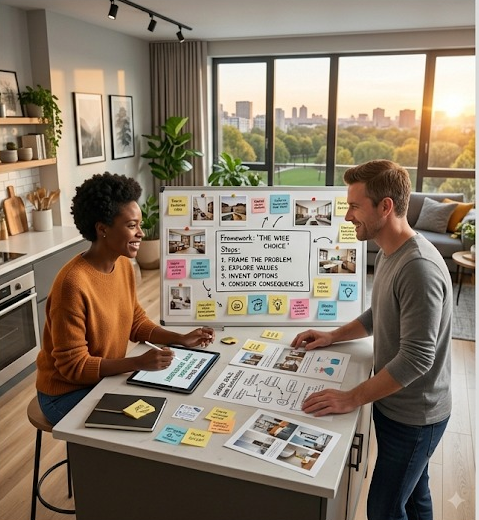
BATNA is an acronym that represents the Best Alternative to a Negotiated Agreement. It means knowing what you will do if an agreement cannot be reached.
This framework helps prevent people from accepting unfavorable terms simply because they feel pressured. Before an important discussion, consider your alternatives and decide what outcome you can realistically accept.
For everyday situations, the BATNA concept can be simple. If you cannot agree with a friend about a restaurant, your alternative might be choosing another place or postponing the meal. Having alternatives gives you greater confidence during negotiations.
Look for Win-Win Solutions
A win-win approach aims to create an outcome that provides value to everyone involved. This does not mean both sides must receive exactly the same thing. Instead, the goal is to find a balanced solution based on different priorities.
For example, two coworkers may disagree about who should handle a particular task. One person may prefer completing it today, while the other needs additional time. They have the option to split the tasks or modify duties based on their availability.
Creative problem-solving often turns disagreements into opportunities for cooperation.
Control Emotions and Stay Flexible
Emotions can strongly influence negotiations. Anger, frustration, or impatience may lead to statements that make the situation worse. Staying calm allows you to think clearly and respond rather than react.
Flexibility is equally important. A rigid approach can prevent you from discovering better alternatives. Be clear about your important needs, but remain open to different ways of meeting them.
Strong everyday negotiation skills can make ordinary conversations more productive and less stressful. By practicing active listening, identifying interests, understanding alternatives, using win-win thinking, and managing emotions, anyone can become a more effective negotiator. The best negotiation is not necessarily the one where one person wins everything. It is the one where both sides understand each other and reach a practical agreement that supports a positive relationship.
Read Also: Laravel Framework Web Development