The skincare industry is filled with products that promise glowing, healthy skin. However, attractive packaging and marketing claims can make it difficult to understand what you’re actually applying to your skin. Learning how to read skincare labels is one of the most effective ways to choose products that match your skin type and personal values. Understanding the clean beauty basics helps you identify beneficial ingredients, avoid unnecessary additives, and make informed purchasing decisions.
Why Reading Skincare Labels Matters
Many people purchase skincare products based on advertisements or influencer recommendations without checking the ingredient list. While marketing can highlight a product’s benefits, the ingredients reveal its true formulation.
Reading labels allows you to:
- Identify active ingredients.
- Avoid allergens or irritants.
- Compare products more effectively.
- Understand whether a product supports your skincare goals.
A few extra minutes spent reviewing a label can save you from skin irritation and wasted money.
Understanding the Ingredient List
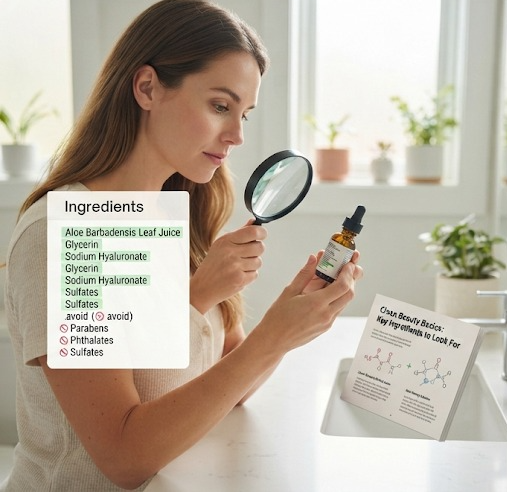
Skincare ingredients are generally listed in descending order by concentration. This means the first few ingredients make up the largest portion of the product.
For example, if ingredients like water, glycerin, niacinamide, or hyaluronic acid appear near the top, they are present in meaningful amounts. On the other hand, beneficial ingredients listed near the end may exist only in small concentrations.
Keep in mind that some powerful ingredients, such as retinol or certain preservatives, are effective even in low amounts.
What Does Clean Beauty Really Mean?
Clean beauty focuses on products formulated with ingredients that are considered safe for both people and the environment. Rather than relying on trendy buzzwords, clean beauty encourages transparency and responsible ingredient selection.
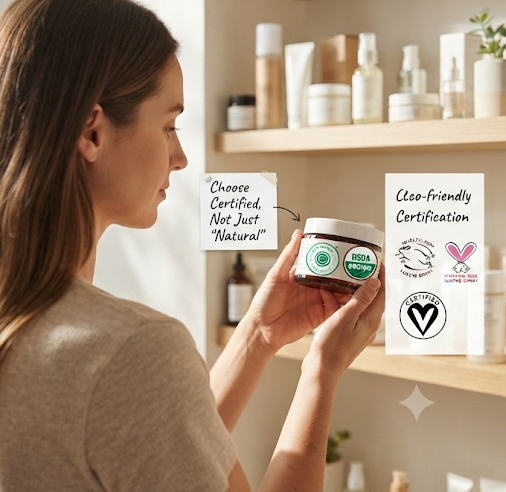
However, there is no universal legal definition of “clean beauty.” Different brands may have different standards. That’s why reading ingredient labels is more reliable than trusting front-label claims alone.
Instead of assuming a product is better because it says “natural” or “clean,” look at the complete ingredient list.
Ingredients That Support Healthy Skin
Many dermatologist-recommended ingredients have proven benefits for various skin concerns.
Some common skincare ingredients include:
- Hyaluronic Acid: Helps attract and retain moisture.
- Niacinamide: Niacinamide enhances the function of the skin barrier and decreases redness.
- Ceramides: Strengthen the skin’s natural protective barrier.
- Vitamin C: Brightens skin and helps fight free radicals.
- Salicylic Acid: Clears pores and helps manage acne.
- Glycerin: Provides long-lasting hydration.
Choosing products with these well-researched ingredients can support healthier skin over time.
Ingredients to Watch Carefully
Not every ingredient is harmful, but some people may wish to avoid certain substances depending on their skin sensitivity.
Pay attention to:
- Artificial fragrances if you have sensitive skin.
- High amounts of drying alcohols in leave-on products.
- Essential oils if your skin reacts easily.
- Harsh exfoliating acids when using multiple active ingredients.
It is important to conduct a patch test on new skincare items before using them on your whole face.
Don’t Be Fooled by Marketing Claims
Terms like “organic,” “chemical-free,” “non-toxic,” and “dermatologist tested” often sound reassuring but may not tell the whole story.
Every skincare product is made of chemicals because everything is made of chemicals, including water and plant extracts. Instead of focusing on marketing phrases, evaluate the actual ingredients and look for products that disclose complete information.
Reliable brands are transparent about their formulations and explain the purpose of their key ingredients.
Build a Smarter Skincare Routine
Understanding skincare labels makes it easier to create a routine that fits your skin’s needs. Rather than chasing every new trend, focus on products with evidence-based ingredients and formulations suitable for your skin type.
Remember that healthy skin doesn’t require a shelf full of expensive products. A gentle cleanser, moisturizer, sunscreen, and targeted treatments with proven ingredients are often enough for an effective routine.
Learning to read skincare labels is an essential step toward making confident skincare decisions. By understanding ingredient lists, recognizing beneficial actives, and looking beyond marketing claims, you can build a skincare routine based on knowledge instead of hype. The principles of clean beauty basics encourage transparency, informed choices, and healthier skin. As you become familiar with common ingredients, shopping for skincare becomes simpler, helping you invest in products that truly support your skin’s long-term health.
Liver Cancer Symptoms Cause and Remedy
Read Also: Medical Website Design