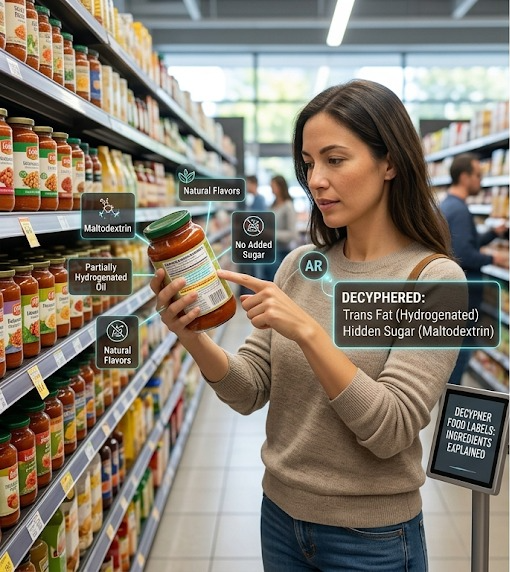
Walking through a grocery store can feel overwhelming when food packages are filled with unfamiliar terms, percentages, claims, and nutritional information. Understanding food label terminology can make shopping easier and help consumers choose products that better match their dietary needs and lifestyle. Instead of relying only on attractive packaging or marketing statements, learning how to read labels provides a clearer picture of what a product actually contains.
Why Understanding Food Labels Matters
Food labels are designed to provide important information about a product’s ingredients and nutritional value. They can help shoppers compare similar products, identify allergens, monitor nutrients, and understand serving sizes.
However, labels can sometimes use terms that sound healthier than they really are. Words such as “natural,” “light,” “multigrain,” or “reduced” may have specific meanings or limitations. Knowing how to interpret these terms allows consumers to make decisions based on facts rather than assumptions.
Start With the Serving Size
One of the most important parts of a nutrition label is the serving size. Nutritional values such as calories, carbohydrates, protein, fat, and sodium are generally listed according to a specified serving.
A package may contain several servings, even if it looks like a single portion. Eating the entire package means consuming the nutrients associated with multiple servings. Checking the serving size first prevents accidental underestimation of calorie or nutrient intake.
Understanding Calories and Nutrients
Calories indicate how much energy a serving provides. While calories are useful, they should not be considered separately from the nutritional quality of the food.
Pay attention to nutrients such as protein, fiber, saturated fat, added sugars, sodium, vitamins, and minerals. Foods containing more fiber and protein may provide greater satiety, while excessive amounts of added sugar, saturated fat, or sodium may be worth limiting depending on individual dietary goals.

What Does “Low,” “Reduced,” and “Free” Mean?
Food labels often use terms such as low fat, sugar-free, sodium-free, or reduced sodium. These descriptions should not automatically be interpreted as meaning that a product is healthier overall.
“Reduced” generally indicates that a product contains less of a particular nutrient compared with a reference product, while “free” means the nutrient is present only at a very small or regulated level. The exact definitions can vary according to local food-labeling regulations, so consumers should still examine the complete nutrition panel.
Decoding Ingredient Lists
The ingredient list is another valuable tool for understanding packaged food. Ingredients are generally listed in descending order by weight, meaning ingredients present in larger quantities appear earlier.
If sugar, refined flour, or certain fats appear near the beginning of the list, they may make up a significant portion of the product. Consumers should also watch for different names for similar ingredients, particularly added sugars.
Natural, Organic, and Whole Grain
Terms such as natural, organic, and whole grain can create confusion. A “natural” claim does not necessarily mean a food is minimally processed or nutritionally superior. Organic labeling follows specific certification standards, which differ by country.
Similarly, a product described as containing whole grains may contain only some whole-grain ingredients. Checking the ingredient list can provide more useful information than relying solely on front-of-package claims.
Pay Attention to Allergens
People with food allergies need to examine labels carefully. Common allergens may be highlighted separately or included within the ingredient statement. Manufacturing statements may also indicate that a product could have come into contact with certain allergens.
When allergies are involved, consumers should follow applicable medical and regulatory guidance rather than relying on assumptions about an ingredient.
Compare Products Before Buying
The best way to use food labels is to compare similar products. Check serving sizes, calories, protein, fiber, added sugars, saturated fat, and sodium. Then review the ingredient lists to see how the products differ.
Deciphering food label terminology is an important everyday skill that can support more informed grocery shopping. By understanding serving sizes, nutrition facts, ingredient lists, health claims, and allergen information, consumers can look beyond packaging and make choices based on reliable details. A few extra seconds spent reading the label can make food shopping more thoughtful, informed, and aligned with personal nutritional goals.
Liver Cancer Symptoms Cause and Remedy
Read Also: Medical Website Design