The ethics of AI art in 2026 has become one of the most debated topics in the creative industry. Artificial intelligence has transformed how artists, designers, marketers, and businesses produce digital artwork. AI-powered tools can now generate paintings, illustrations, logos, animations, and realistic images within seconds. While these innovations have made creative work more accessible and efficient, they have also raised serious ethical concerns about copyright, ownership, originality, and fairness.
As AI technology continues to evolve, understanding the ethical implications of AI-generated art is essential for creators, businesses, and consumers alike. This article explores the major ethical issues surrounding AI art in 2026 and discusses how society can encourage responsible innovation.
What Is AI Art?
AI art refers to artwork created entirely or partially using artificial intelligence algorithms. Users provide prompts, reference images, or creative instructions, and AI systems generate visual content based on patterns learned from massive datasets.
In 2026, AI art tools have become widely available, helping individuals with little artistic experience create professional-quality images. These tools are increasingly used in graphic design, advertising, gaming, publishing, education, and entertainment.
Copyright and Ownership Challenges
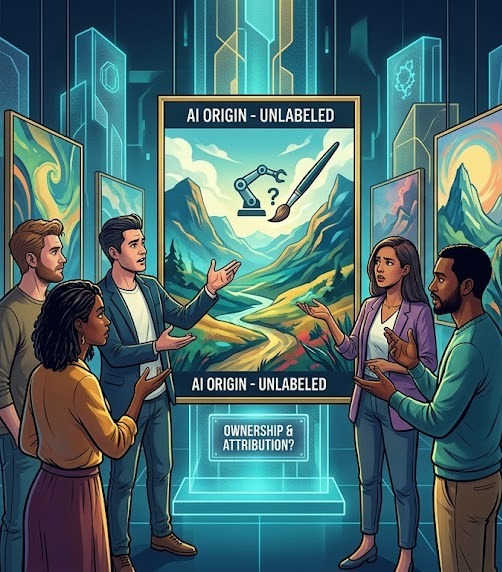
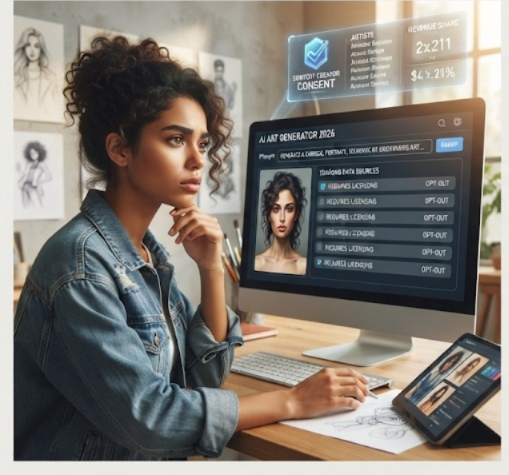
One of the biggest ethical concerns surrounding AI art is copyright ownership. Many AI models are trained using millions of images collected from the internet. Some of these images belong to professional artists who never gave permission for their work to be included in training datasets.
This has led to ongoing debates over questions such as:
- Who owns AI-generated artwork?
- Should artists receive compensation if their work trains AI systems?
- Can AI-generated images be copyrighted?
In 2026, many countries are updating intellectual property laws to better address these complex legal and ethical issues.
Impact on Human Artists
AI has significantly changed the creative industry. While it offers new opportunities for artists to improve productivity and explore creative ideas, it has also created concerns about job displacement.
Many freelance illustrators, concept artists, and designers worry that businesses may replace human creativity with AI-generated content to reduce costs. Ethical AI usage should recognize the value of human creativity while treating AI as a supportive tool rather than a complete replacement.
Supporting artists through fair licensing agreements and transparent AI policies can help maintain a healthy creative ecosystem.
Transparency and Disclosure
Another important ethical issue is transparency. Audiences often cannot distinguish between human-created artwork and AI-generated images.
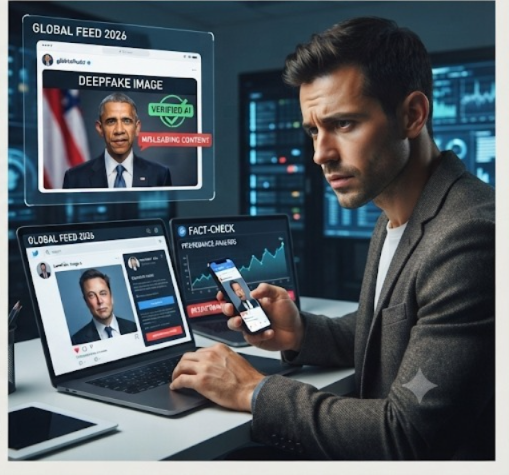
Many experts recommend that creators clearly disclose when artwork has been generated or significantly edited using artificial intelligence. Transparent labeling helps build trust with audiences while reducing misinformation and deceptive practices.
Businesses that openly communicate their use of AI often earn greater consumer confidence.
Bias in AI Art Generation
AI systems learn from existing datasets, which may contain cultural, racial, or gender biases. As a result, AI-generated artwork can unintentionally reinforce stereotypes or exclude diverse perspectives.
Developers are increasingly working to improve dataset diversity and implement fairness checks that reduce biased outputs. Ethical AI development requires continuous testing, monitoring, and responsible data selection.
Creating inclusive AI systems benefits both creators and global audiences.
Responsible Use of AI Art
Ethical AI art is not about rejecting technology but using it responsibly. Best practices include:
- Respecting copyright and licensing rules.
- Giving proper credit when appropriate.
- Avoiding deceptive or misleading AI-generated content.
- Protecting artists’ intellectual property.
- Using AI as a collaborative creative tool rather than a replacement for human imagination.
Following these principles encourages innovation while protecting the rights of creators.
The Future of AI Art Ethics
The future of AI art depends on cooperation between governments, technology companies, artists, and legal experts. As regulations continue to evolve, clearer guidelines will help balance innovation with ethical responsibility.
Educational institutions are also teaching responsible AI practices, preparing future creators to understand both the benefits and limitations of artificial intelligence.
By encouraging transparency, fairness, and respect for intellectual property, society can ensure that AI continues to enhance creativity without undermining human talent.
The ethics of AI art in 2026 represents a critical conversation about creativity, technology, and responsibility. Artificial intelligence offers incredible opportunities for artistic expression, but it also introduces challenges involving copyright, ownership, transparency, and fairness.
The future of AI-generated art should focus on collaboration rather than competition between humans and machines. With responsible regulations, ethical development, and respect for artists’ rights, AI can become a powerful creative partner that expands artistic possibilities while preserving the value of human imagination.
Effects of AI in Upcoming Technology
Manhole – Essential Access Points in Urban Infrastructure
RCPC Manhole Covers and Frames
Read Also : Social Network Website Design