Relationships thrive when both partners feel valued, respected, and emotionally secure. However, when one person becomes overly dependent on the other for happiness, validation, or identity, the relationship can become unhealthy. This pattern is known as codependency. Understanding and coping with codependency in relationships is essential for creating stronger emotional bonds while maintaining personal independence.
What Is Codependency in Relationships?
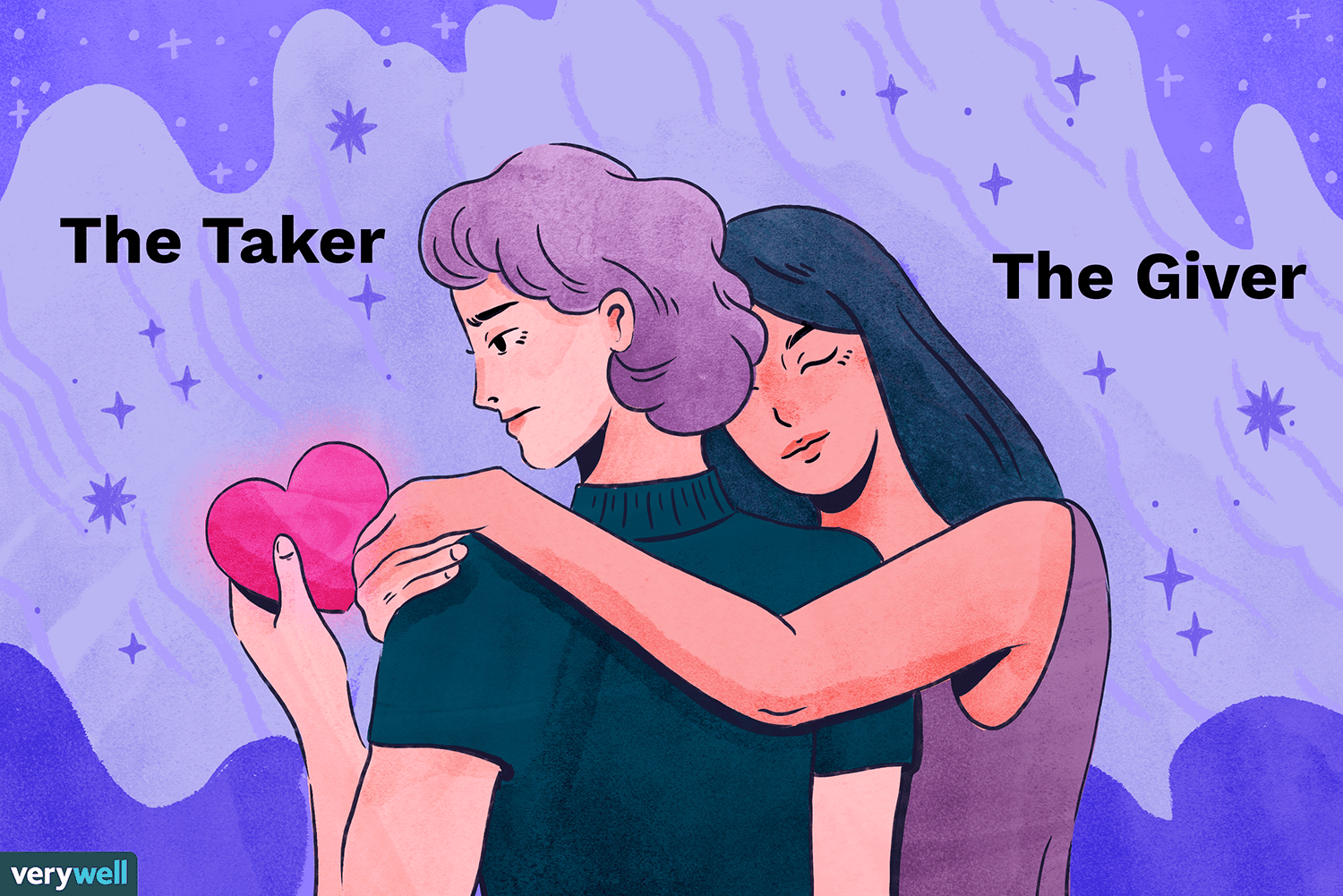
Codependency is a behavioral pattern where one person consistently prioritizes another person’s needs over their own. While caring for a partner is natural, codependency occurs when self-worth becomes tied to pleasing or “fixing” someone else. This often leads to emotional exhaustion, resentment, and an imbalance in the relationship.
Codependent relationships may develop between romantic partners, family members, or close friends. Recognizing the signs early is the first step toward positive change.
Common Signs of Codependency
Identifying codependent behaviors can help you take control of your emotional well-being. Some common signs include:
- Constantly seeking approval from your partner.
- Feeling responsible for another person’s emotions or actions.
- Difficulty saying “no” or setting healthy boundaries.
- Fear of abandonment or rejection.
- Ignoring your own needs to avoid conflict.
- Feeling anxious when your partner is unhappy.
These behaviors often develop gradually, making them difficult to recognize until they begin affecting your mental and emotional health.
Causes of Codependent Behavior
Codependency often has deep emotional roots. Childhood experiences, family dynamics, trauma, or growing up in environments where emotional needs were ignored can contribute to codependent tendencies. People who experienced inconsistent affection or were expected to care for others from a young age may struggle to establish healthy relationship boundaries as adults.
Past toxic relationships and low self-esteem can also reinforce codependent habits.
How to Cope with Codependency in Relationships
Overcoming codependency requires patience, self-awareness, and consistent effort. Here are effective strategies to help build healthier relationships.
Recognize the Pattern
The first step is acknowledging that codependent behaviors exist. Reflect on how your emotions, decisions, and self-esteem are influenced by your relationship. Honest self-reflection creates the foundation for positive change.
Set Healthy Boundaries
Healthy relationships require clear boundaries. Learn to communicate your needs respectfully and understand that saying “no” does not make you selfish. Boundaries protect your emotional health while encouraging mutual respect.
Focus on Self-Care
Invest time in activities that bring you joy outside the relationship. Exercise, reading, learning new skills, or pursuing hobbies can strengthen your confidence and reduce emotional dependence on your partner.
Build Self-Esteem
Your value should never depend solely on another person’s approval. Celebrate your achievements, recognize your strengths, and practice positive self-talk. Developing self-confidence helps reduce the need for constant reassurance.
Improve Communication
Open and honest communication allows both partners to express feelings without fear of judgment. Instead of assuming responsibility for your partner’s emotions, encourage healthy discussions about individual needs and expectations.
Seek Professional Support
Therapy or relationship counseling can provide valuable tools for overcoming codependency. A qualified mental health professional can help identify unhealthy patterns and guide both individuals toward healthier emotional connections.
Benefits of Overcoming Codependency
Working through codependency creates stronger and more balanced relationships. Some long-term benefits include:
- Greater emotional independence.
- Improved self-confidence.
- Better communication skills.
- Healthier conflict resolution.
- Increased trust and mutual respect.
- Stronger emotional resilience.
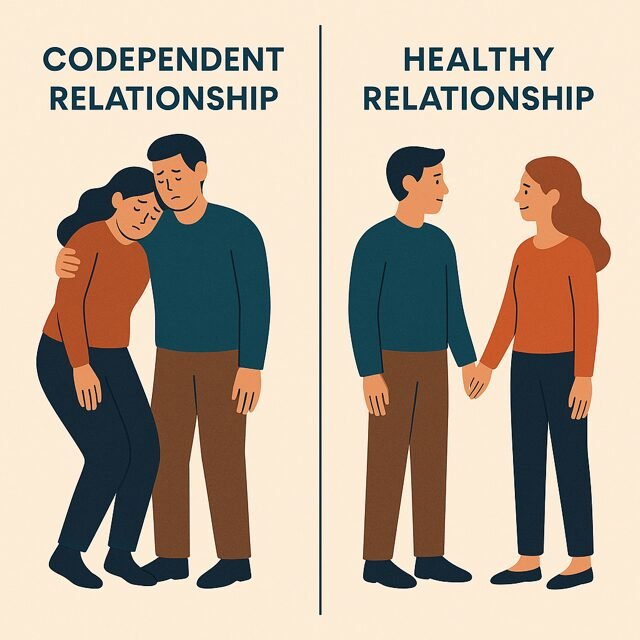
Healthy relationships allow both individuals to grow together while maintaining their own identities.
Coping with codependency in relationships is a journey of personal growth rather than a quick fix. By recognizing unhealthy patterns, setting healthy boundaries, prioritizing self-care, and building self-esteem, you can create relationships based on trust, respect, and emotional balance. Remember that loving someone does not mean losing yourself. The healthiest relationships are those where both partners support one another while maintaining their individuality, creating a lasting connection built on mutual understanding and genuine care.
Liver Cancer Symptoms Cause and Remedy
Read Also: Medical Website Design