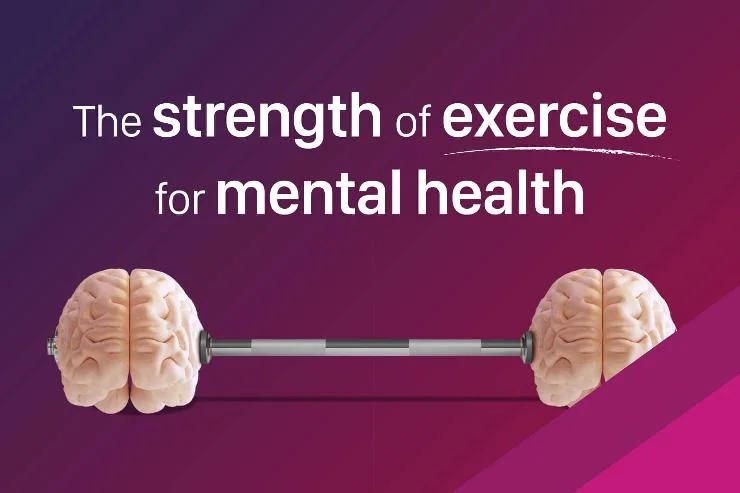
Losing weight isn’t about extreme diets or quick fixes—it’s about building sustainable habits that improve your overall health. If you’re looking for the best way to lose weight effectively and safely, this guide breaks down proven strategies you can actually follow.
1. Understand the Basics of Weight Loss
At its core, weight loss happens when you burn more calories than you consume. This is known as a calorie deficit. However, not all calories are equal—quality matters just as much as quantity. A balanced approach ensures you lose fat without harming your body.
2. Focus on a Balanced Diet
Instead of starving yourself, focus on eating nutrient-rich foods:
- Protein-rich foods: Eggs, chicken, fish, lentils help build muscle and keep you full longer.
- Healthy fats: Nuts, seeds, olive oil support metabolism.
- Complex carbohydrates: Whole grains, vegetables provide sustained energy.
Stay away from processed foods, sugary beverages, and too much junk food. A clean diet not only supports weight loss but also improves digestion and energy levels.
3. Portion Control is Key
If consumed in large quantities, even nutritious meals can cause weight gain. Practice portion control by:
- Using smaller plates
- Eating slowly
- Avoiding distractions like mobile phones while eating
This helps your brain recognize fullness and prevents overeating.
4. Stay Physically Active
Exercise plays a major role in burning calories and improving fitness. You don’t need a gym to start:
- Cardio exercises: Walking, running, cycling help burn fat
- Strength training: Builds muscle and boosts metabolism
- Daily movement: Take stairs, walk more, stay active throughout the day
Consistency matters more than intensity. Even 30 minutes a day can make a big difference.
5. Drink Plenty of Water
Although frequently disregarded, water is vital for losing weight. It helps:
- Boost metabolism
- Reduce hunger
- Flush out toxins
Drinking a glass of water before meals can also help you eat less.
6. Get Enough Sleep
Lack of sleep can slow down weight loss and increase cravings. When you don’t sleep well, your body produces hormones that trigger hunger.
Aim for 7–8 hours of quality sleep every night to support your weight loss journey.
7. Manage Stress Effectively

High stress levels can lead to emotional eating and weight gain. Try stress-management techniques like:
- Meditation
- Deep breathing
- Yoga
- Spending time with family or hobbies
Food decisions are improved by a peaceful mind.
8. Avoid Crash Diets
Although crash diets can produce rapid effects, they cannot be maintained over time.They can:
- Slow your metabolism
- Cause nutrient deficiencies
- Lead to weight regain
Instead, focus on gradual weight loss (0.5–1 kg per week), which is healthier and long-lasting.
9. Track Your Progress
Keep track of your diet, workouts, and weight changes. This helps you stay motivated and identify what works best for your body.
You can use simple methods like:
- Writing in a journal
- Using fitness apps
- Taking weekly progress photos
10. Stay Consistent and Patient
Weight loss is a journey, not a race. Results take time, and consistency is the key to success. Small daily improvements lead to big long-term results.
The best way to lose weight is by combining a healthy diet, regular exercise, proper sleep, and stress management. Avoid shortcuts and focus on building habits that you can maintain for life. Remember, the goal is not just to lose weight but to become healthier, stronger, and more confident.
Liver Cancer Symptoms Cause and Remedy
Read Also: Medical Website Design