Coffee is more than a morning beverage; it is a centuries-old tradition shaped by culture, technology, and personal taste. From simple boiling methods to sophisticated espresso machines and precise pour-over techniques, coffee brewing origins and methods reveal how people have continuously experimented to create the perfect cup. Today, coffee lovers can choose from countless brewing styles, each producing a distinct aroma, strength, texture, and flavor.
The Origins of Coffee Brewing
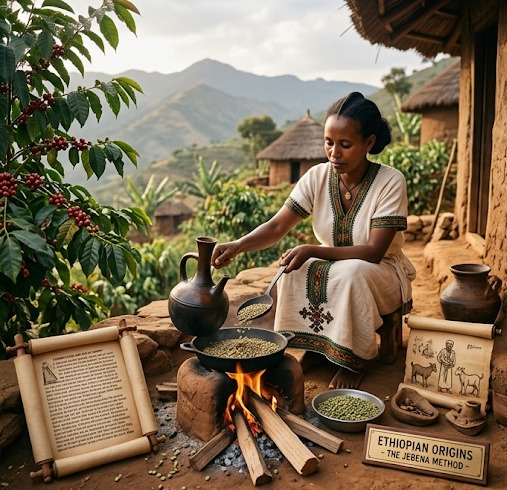
Coffee is believed to have originated in Ethiopia, where early coffee preparation was much simpler than the techniques used today. Coffee beans were roasted, crushed, and prepared with hot water. As coffee traveled through the Arabian Peninsula and eventually reached Europe, different communities developed their own ways of preparing the drink.
By the 17th and 18th centuries, coffeehouses had become popular meeting places in Europe. Brewing gradually evolved from basic boiling toward steeping and filtering methods. The Indian Coffee Board notes that by the 19th century, growing interest in coffee quality and flavor encouraged the development of several brewing techniques.
The Evolution of Modern Coffee Brewing
The biggest changes in coffee brewing came during the 19th and early 20th centuries. New equipment made it possible to control water flow, temperature, pressure, and filtration more effectively.
One important development was the paper coffee filter associated with Melitta Bentz. Paper filtration helped create a cleaner cup by separating coffee grounds from the brewed liquid. Pour-over brewing later became an important part of specialty coffee culture.
Espresso technology also transformed coffee culture. Instead of slowly steeping grounds, espresso machines use pressure to produce a concentrated beverage. This technique became the foundation for popular drinks such as cappuccinos, lattes, and Americanos.
Popular Coffee Brewing Methods
1. Pour-Over Coffee
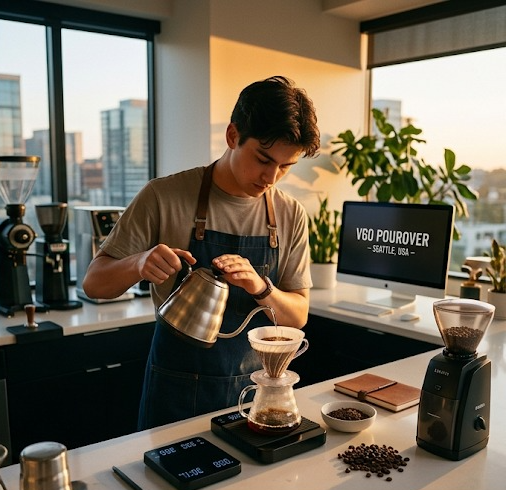
Pour-over brewing is popular among coffee enthusiasts who enjoy clarity and control. Hot water is manually poured over ground coffee placed inside a paper filter. The water passes through the grounds and filter before collecting in a cup or carafe.
This method allows the brewer to control pouring speed, water temperature, grind size, and brewing time. It is particularly suitable for highlighting delicate flavors and individual characteristics of specialty coffee beans.
2. French Press
The French press is a simple immersion brewing method. Coarsely ground coffee is steeped in hot water before a metal mesh plunger separates the grounds from the finished drink.
Because the metal filter allows more coffee oils and fine particles into the cup, French press coffee generally has a rich body and strong mouthfeel.
3. Espresso
Espresso is produced by pushing hot water through finely crushed coffee beans with pressure. The result is a small, concentrated serving with an intense aroma and distinctive texture.
Espresso is also the foundation for many café beverages. Its preparation requires careful control of grind size, coffee dose, water, pressure, and extraction time.
4. Moka Pot
The Moka pot uses pressure created by heated water to push water through ground coffee. It produces a concentrated coffee that is stronger than typical drip coffee but different from espresso.
Its compact design and stovetop operation make it a practical choice for home coffee preparation.
5. Cold Brew
Cold brew coffee is made by steeping coffee grounds in cool or room-temperature water for an extended period. After steeping, the coffee is filtered and served chilled, often over ice.
Its smooth texture and naturally mellow profile make cold brew particularly popular during warm weather.
Choosing the Right Brewing Method
There is no single best coffee brewing method because preferences differ. People who enjoy a clean and bright cup may prefer pour-over, while those looking for a fuller texture may enjoy French press. Espresso is ideal for concentrated coffee and milk-based drinks, whereas cold brew works well for a refreshing chilled beverage.
The coffee bean, roast level, grind size, water quality, temperature, and brewing time all influence the final result. Modern brewing guides emphasize that different methods require different grind sizes, ratios, temperatures, and extraction times.
The story of coffee brewing origins and methods is a fascinating journey from traditional preparation to modern precision brewing. Each technique offers a different way to experience the character of coffee. Whether you prefer a carefully prepared pour-over, a bold French press, a powerful espresso, or a refreshing cold brew, understanding the history and principles behind each method can make every cup more enjoyable. Ultimately, the best brewing method is the one that matches your taste, routine, and appreciation for coffee.
State Wise Food Culture in India
Worldwide Famous Spices of India
Read Aslo: Recipe Cuisine