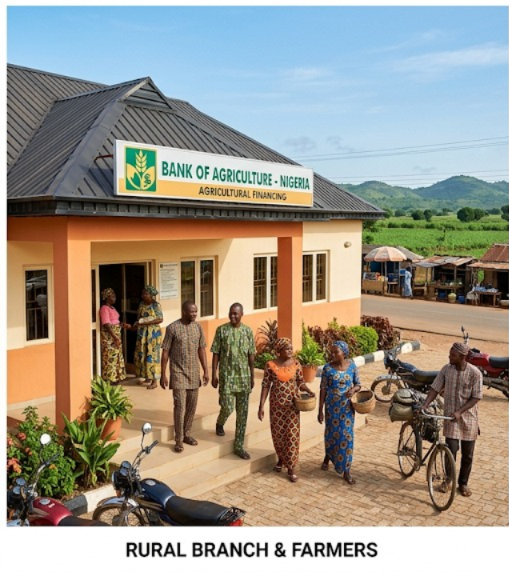
The Bank of Agriculture plays an important role in improving the agricultural sector by providing financial support to farmers, agribusiness owners, and rural communities. Agriculture remains the backbone of many economies around the world, and access to proper funding is essential for growth and sustainability. A Bank of Agriculture helps bridge the gap between farmers and financial services, enabling agricultural development and food security.
What Is a Bank of Agriculture?
A Bank of Agriculture is a financial institution that focuses on supporting agricultural activities. Its primary goal is to provide loans, grants, and other banking services to farmers, agricultural cooperatives, and rural entrepreneurs. These banks are often supported by governments to encourage agricultural productivity and economic growth in rural areas.
Unlike commercial banks, agricultural banks offer specialized financial products designed for farming needs. Farmers can access credit for purchasing seeds, fertilizers, farming equipment, livestock, and irrigation systems. Some agricultural banks also provide insurance services and technical support to help farmers reduce risks and improve productivity.
Importance of the Bank of Agriculture
Agriculture requires significant investment, especially for modern farming techniques and equipment. Many small-scale farmers struggle to obtain financial assistance from traditional banks due to limited collateral or unstable income. The Bank of Agriculture solves this problem by offering flexible loan options tailored to the agricultural sector.
These banks contribute to rural development by creating employment opportunities and improving the standard of living for farming communities. By supporting agricultural businesses, they also help increase food production and stabilize food prices. This creates a positive impact on national economies and reduces poverty in rural regions.
Services Offered by the Bank of Agriculture
The Bank of Agriculture provides a wide range of services to support farmers and agribusinesses. Some of the common services include:
Agricultural Loans
Farmers can apply for short-term or long-term loans for crop production, livestock farming, fish farming, and agro-processing businesses. These loans often come with lower interest rates compared to commercial banking loans.
Savings and Deposit Accounts
Agricultural banks encourage farmers to save money through various savings schemes. This helps farmers manage their finances better and prepare for future investments.
Insurance Services
Crop failure, natural disasters, and livestock diseases can cause huge losses for farmers. Agricultural banks often provide insurance plans to protect farmers against unexpected risks.
Training and Advisory Services
Many agricultural banks organize training programs on modern farming methods, financial management, and sustainable agriculture practices. These programs help farmers increase productivity and profitability.

Benefits of Agricultural Financing
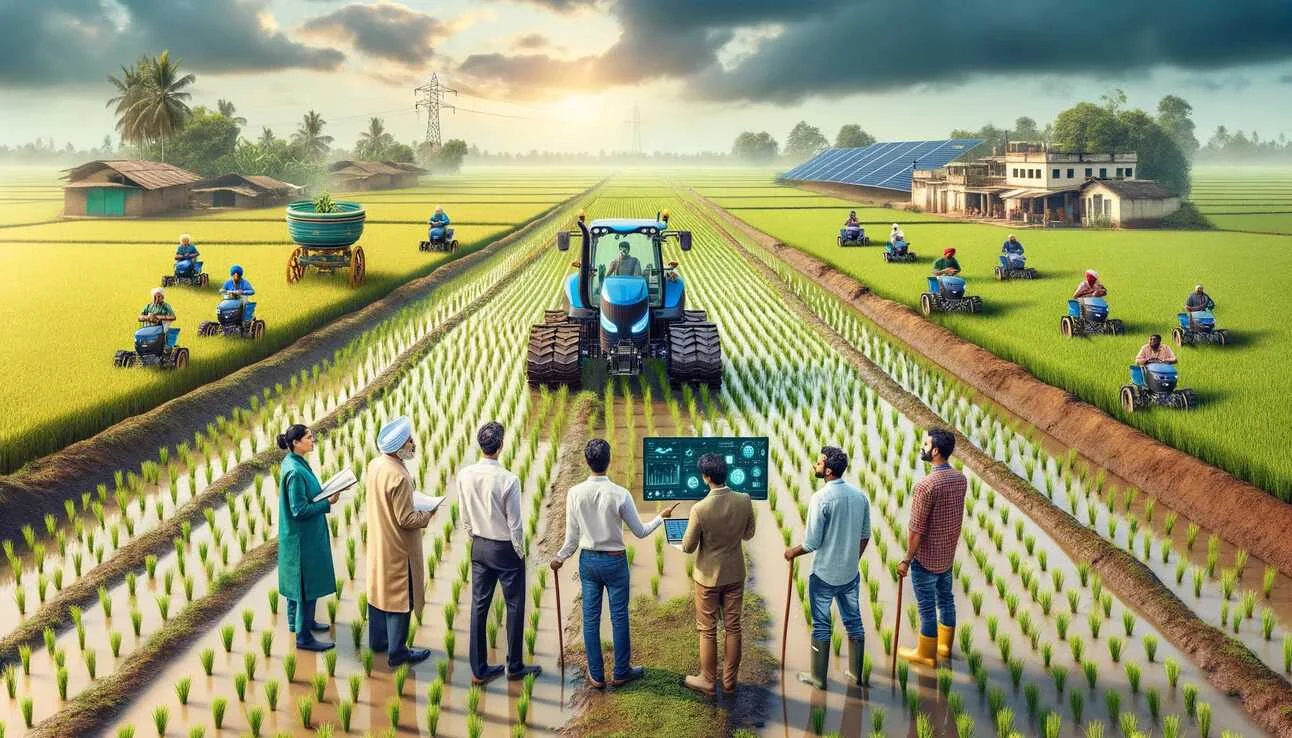
Agricultural financing has several advantages for both farmers and the economy. Access to credit allows farmers to purchase better farming equipment and improve crop yields. Modern technology and irrigation systems can increase productivity and reduce labor costs.
Agricultural financing also encourages young entrepreneurs to enter the farming industry. With proper financial support, small farmers can expand their operations and compete in larger markets. This contributes to economic diversification and rural industrial growth.
In addition, a strong agricultural banking system supports food security. Increased agricultural production ensures a stable food supply for growing populations and reduces dependence on food imports.
Challenges Faced by the Bank of Agriculture
Despite its importance, the Bank of Agriculture faces several challenges. One major issue is loan repayment. Farming is highly dependent on weather conditions, and crop failure can make it difficult for farmers to repay loans on time.
Limited infrastructure in rural areas is another challenge. Poor road networks, lack of electricity, and limited internet access can affect banking operations and agricultural productivity. In some countries, insufficient government funding also limits the effectiveness of agricultural banks.
However, digital banking solutions and government support programs are helping agricultural banks improve their services and reach more farmers.
The Bank of Agriculture is essential for the growth and development of the agricultural sector. By providing financial assistance, training, and insurance services, these banks empower farmers and strengthen rural economies. Agricultural financing supports food production, creates jobs, and improves living standards in rural communities.
As the global population continues to grow, the need for sustainable agriculture becomes more important than ever. Strengthening agricultural banking systems can help farmers adopt modern farming practices and contribute to long-term economic development.
India’s Agricultural Exports Opportunities and Challenges
Read Also: Exploring Opportunities in the Farming Industry