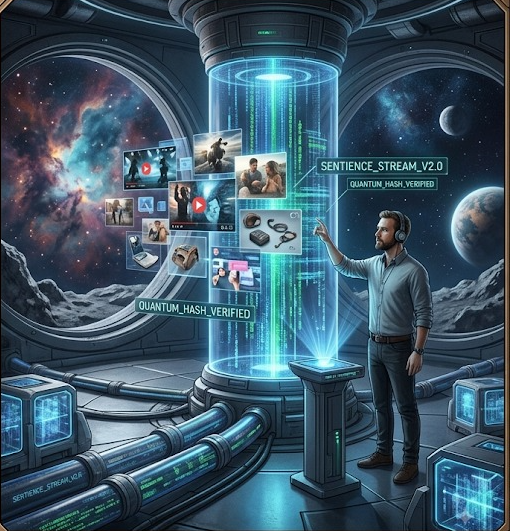
Our lives are increasingly documented through digital photographs, videos, voice recordings, messages, emails, and social media posts. Unlike traditional photo albums and printed letters, these memories can be stored in thousands of files and accessed instantly. However, digital memories are not automatically safe forever. Devices can fail, accounts can disappear, storage media can become outdated, and files may eventually become difficult to open. Archiving our digital memories is therefore an important way to protect the stories and moments we may want to revisit years from now.
Why Digital Memories Need Protection
A smartphone may contain years of family photographs, birthday videos, travel memories, and personal conversations. Losing that device could mean losing much more than expensive hardware.
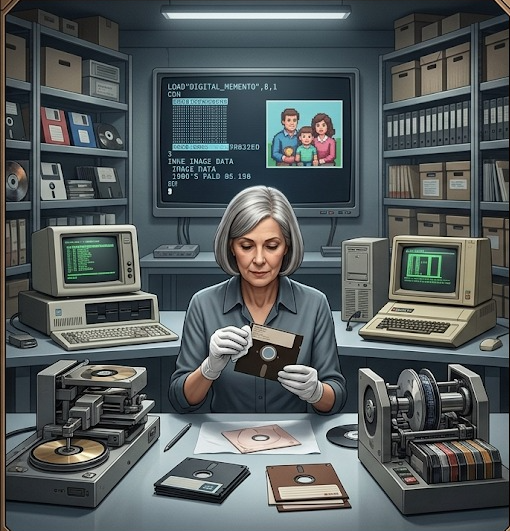
Digital preservation is different from simply keeping files on a computer. Long-term access depends on reliable storage, readable file formats, organized collections, and regular maintenance. The Library of Congress recommends identifying valuable digital materials, organizing them clearly, making multiple copies, and checking files periodically.
Start by Identifying Your Important Memories
The first step in archiving digital memories is discovering where everything is stored. Your collection may be spread across smartphones, laptops, external hard drives, memory cards, cloud accounts, email services, and social media platforms.
Instead of trying to save every file, identify the material that has lasting personal value. Family photographs, important videos, creative projects, scanned documents, recordings, and meaningful messages can form the foundation of your personal digital archive.
Organize Files With Meaningful Names
An unorganized collection can become difficult to understand after several years. Create folders based on people, events, years, locations, or other useful categories.
For example, instead of leaving a photograph named IMG_7821.jpg, consider a descriptive name such as Family_Trip_Goa_2025.jpg. Adding dates and short descriptions can make memories easier to identify later.
Organization also helps future family members understand the context behind the files rather than seeing them as a collection of anonymous images.
Keep Multiple Copies of Precious Files
One of the most important principles of digital memory preservation is redundancy. A single copy should never be considered a complete backup strategy.
Keep important memories in more than one location. For example, you might maintain one copy on your computer, another on an external drive, and another in secure cloud storage. The Library of Congress recommends maintaining multiple copies and keeping copies in different locations to reduce the risk of losing everything through a single disaster.
Choose Long-Lasting File Formats
Technology changes quickly, and some software-specific file formats may become difficult to access. For important documents, widely supported or open formats can improve the chances of future accessibility. Digital preservation organizations commonly consider format sustainability when planning for long-term access.
For photographs, videos, documents, and audio recordings, keep high-quality original files whenever practical. If you edit a photograph or video repeatedly, work from a copy so the original remains untouched.
Preserve Social Media Memories
Many personal memories now exist primarily on social platforms. Posts, photographs, comments, videos, and personal websites can represent important parts of someone’s life story.
Do not assume that an online platform will preserve everything indefinitely. Identify valuable online content, export or save important material where possible, and keep descriptive information such as dates and titles. Digital preservation guidance specifically recommends considering websites, blogs, and social media when building a personal archive.
Review Your Digital Archive Regularly
Archiving is not a one-time activity. Storage devices can fail, accounts can change, and technology can become obsolete. Allocate time annually to examine your collection, ensure that crucial files still function properly, and refresh backups as needed. The Library of Congress also recommends periodically checking saved files and creating new media copies when needed.
Turn Digital Files Into Family History
The true value of archiving our digital memories is not simply keeping files alive. It is preserving the stories behind them. Add captions, dates, names, locations, and short explanations whenever possible. A photograph becomes much more meaningful when future generations know who is pictured, where it was taken, and why the moment mattered.
Our digital memories are valuable pieces of personal history. Protecting them requires more than keeping everything on a phone or computer. By organizing files, maintaining multiple backups, choosing sustainable formats, preserving meaningful online content, and reviewing archives regularly, we can make our memories more accessible for years to come.
Effects of AI in Upcoming Technology
Manhole – Essential Access Points in Urban Infrastructure
RCPC Manhole Covers and Frames
Read Also : Social Network Website Design