Sibling rivalry is a common part of growing up, but it can create stress for both children and parents if not managed properly. From arguments over toys to competition for attention, conflicts between siblings are natural. The good news is that with the right approach, parents can turn these disagreements into opportunities for learning, emotional growth, and stronger family relationships. In this manual, you will find useful household methods to manage sibling conflict calmly while fostering a supportive atmosphere where each child is appreciated.
Why Sibling Rivalry Happens
Understanding the root causes of sibling rivalry is the first step toward resolving it. Children often compete because they want attention, recognition, or fairness. Differences in age, personality, and interests can also lead to misunderstandings and frequent disagreements.
Some common reasons include:
- Competition for parental attention
- Jealousy over privileges or achievements
- Personality differences
- Sharing toys or personal space
- Stress caused by changes at home, such as a new sibling or moving house
Recognising these triggers helps parents respond calmly instead of reacting emotionally.
Stay Calm During Conflicts
One of the most effective ways to handle sibling rivalry peacefully is by staying calm. Children often mirror their parents’ behaviour. If parents react with anger or frustration, the conflict may escalate.
Instead:
- Listen to both children without taking sides immediately.
- Speak in a calm and respectful tone.
- Encourage each child to explain their feelings.
- Avoid shouting or making quick judgments.
By modelling emotional control, you teach children how to resolve disagreements maturely.
Avoid Comparing Your Children
Comparisons can increase resentment between siblings. Statements like “Why can’t you be like your brother?” Saying “Your sister always acts more appropriately” could harm self-confidence and encourage rivalry.
Celebrate each child’s unique strengths, talents, and personality. Whether one child enjoys sports while another excels in art, recognising individual achievements helps reduce jealousy and encourages confidence.
Teach Healthy Conflict Resolution
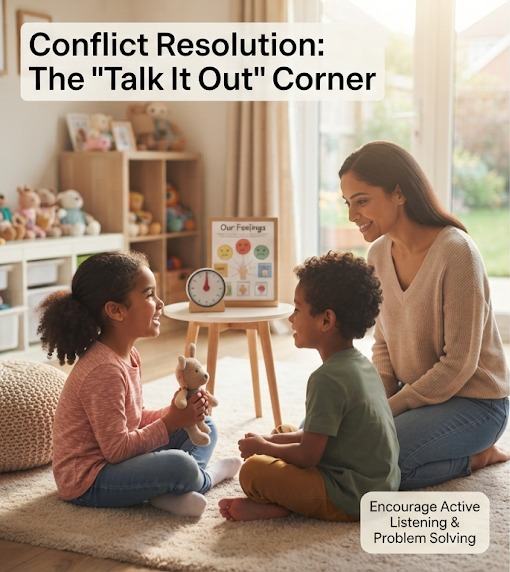
Disagreements are valuable opportunities to teach life skills. Encourage children to solve problems together instead of relying on parents to decide every argument.
Simple conflict resolution steps include:
- Taking turns speaking.
- Listening without interrupting.
- Expressing feelings respectfully.
- Working together to find a fair solution.
These habits help children develop communication and negotiation skills that benefit them throughout life.
Spend Individual Time with Each Child
Children often compete because they crave attention. Setting aside one-on-one time with each child reassures them that they are equally loved and appreciated.
Even 15 to 20 minutes of uninterrupted quality time each day can strengthen your relationship. Read a book, play a game, cook together, or simply have a meaningful conversation. Personal attention reduces feelings of insecurity and competition.
Encourage Teamwork Instead of Competition
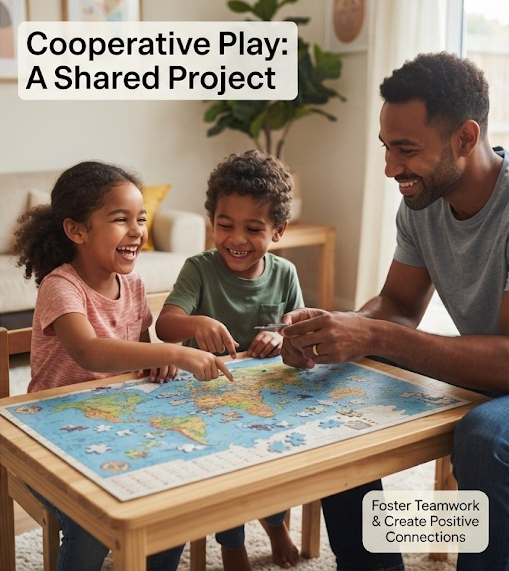
Create opportunities where siblings work together rather than compete against each other. Family activities that require cooperation help build trust and strengthen their bond.
Ideas include:
- Completing puzzles together
- Gardening as a family
- Cooking simple meals
- Cleaning and organising shared spaces
- Playing cooperative board games
Praise teamwork and kindness instead of focusing only on individual achievements.
Set Clear Family Rules
Children feel more secure when they understand what behaviour is expected. Establish simple household rules that promote respect and kindness.
Examples include:
- No hitting or name-calling.
- Use polite language.
- Share fairly whenever possible.
- Apologise when someone is hurt.
- Respect each other’s belongings.
Apply these rules consistently so every child knows the consequences of unacceptable behaviour.
Praise Positive Behaviour
Parents often pay more attention to arguments than peaceful interactions. Instead, make an effort to notice and praise moments of cooperation.
For example:
- “I loved how you shared your toys.”
- “Thank you for helping your sister.”
- “You solved that problem really well together.”
Positive reinforcement encourages children to repeat good behaviour naturally.
Know When to Step Back
Not every disagreement requires parental intervention. Minor conflicts help children learn independence, patience, and problem-solving skills.
Only step in when:
- Someone is at risk of being hurt.
- Bullying or repeated aggression occurs.
- The argument becomes impossible for the children to resolve safely.
Giving children space to work through small disagreements builds confidence and resilience.
Learning how to handle sibling rivalry peacefully takes patience, consistency, and understanding. Instead of viewing conflicts as failures, consider them valuable teaching moments that help children develop empathy, communication, and emotional intelligence. By avoiding comparisons, encouraging teamwork, setting clear family rules, and giving each child individual attention, parents can reduce tension and strengthen sibling relationships. Over time, these peaceful home strategies create a supportive family environment where siblings learn not only to coexist but also to respect, trust, and care for one another.
Read Also: Wedding Website Design