In today’s digital world, where social media and unrealistic beauty standards often shape how people view themselves, building self-esteem and body positivity has become more important than ever. Many individuals compare themselves to edited photos, celebrity lifestyles, or societal expectations, leading to self-doubt and negative body image. However, true confidence comes from accepting yourself as you are and recognizing your unique qualities. Developing self-esteem and embracing body positivity can significantly improve mental health, relationships, and overall happiness.
What Is Self-Esteem?
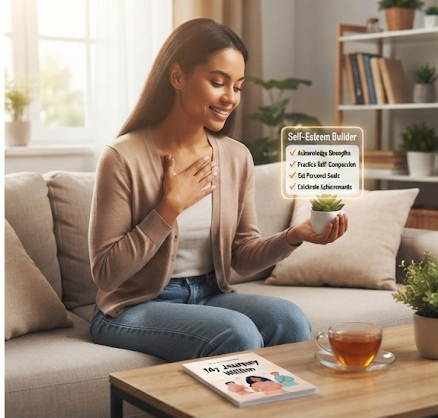
Self-esteem pertains to how you see and appreciate yourself. It influences your confidence, decision-making, and emotional well-being. Healthy self-esteem allows you to appreciate your strengths while accepting your imperfections without harsh self-criticism.
People with strong self-esteem are more likely to:
- Handle challenges with confidence.
- Build healthier relationships.
- Set realistic goals.
- Recover from setbacks more quickly.
- Feel satisfied with their personal growth.
Building self-esteem is a lifelong journey that begins with self-awareness and self-acceptance.
Understanding Body Positivity
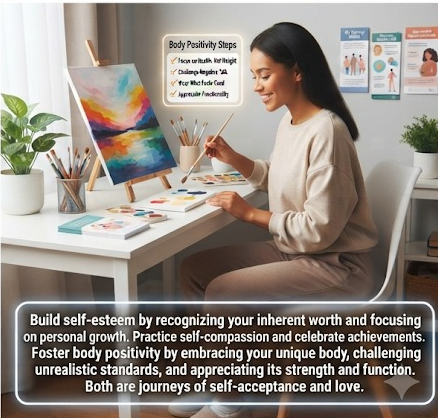
Body positivity is the belief that every body deserves respect, regardless of size, shape, skin tone, age, or physical ability. It encourages individuals to appreciate their bodies for what they can do instead of focusing solely on appearance.
Rather than striving for perfection, body positivity promotes self-love and encourages people to reject unrealistic beauty standards. This mindset helps reduce anxiety, depression, and the pressure to constantly compare yourself with others.
Common Causes of Low Self-Esteem
Several factors can contribute to poor self-esteem and negative body image, including:
Social Media Comparison
Constant exposure to filtered photos and carefully curated lifestyles can create unrealistic expectations about beauty and success.
Negative Childhood Experiences
Criticism, bullying, or lack of emotional support during childhood can have lasting effects on self-worth.
Unrealistic Beauty Standards
Television, magazines, and advertisements often promote narrow definitions of attractiveness that are impossible for most people to achieve naturally.
Self-Criticism
Negative self-talk and focusing only on flaws can gradually reduce confidence and increase insecurity.
Recognizing these influences is the first step toward building a healthier mindset.
Practical Ways to Build Self-Esteem
Improving self-esteem requires consistent effort and self-compassion. Here are some effective strategies:
Practice Positive Self-Talk
Replace negative thoughts with encouraging statements. Instead of stating, “I lack the necessary skills,” reassure yourself by saying, “I am gaining knowledge and enhancing my abilities daily.”
Celebrate Small Achievements
Every accomplishment matters. Whether you complete a project, exercise regularly, or learn a new skill, acknowledge your progress.
Set Realistic Goals
Breaking large goals into smaller, achievable steps creates a sense of accomplishment and boosts confidence.
Surround Yourself with Positive People
Supportive friends and family can encourage personal growth and help reinforce a positive self-image.
Learn New Skills
Developing hobbies or gaining new knowledge increases confidence by demonstrating your abilities and personal growth.
Tips for Practicing Body Positivity
Body positivity isn’t about ignoring health—it’s about respecting your body while taking care of it.
Appreciate Your Body’s Strength
Focus on what your body allows you to do, such as walking, dancing, working, or spending time with loved ones.
Avoid Comparing Yourself
Everyone’s body is unique. Comparing yourself to others only creates unnecessary stress and dissatisfaction.
Wear Clothes That Make You Comfortable
Choose outfits that fit well and make you feel confident rather than following trends that don’t suit your personality.
Curate Your Social Media Feed
Follow creators who promote diversity, self-acceptance, and realistic body images while unfollowing accounts that trigger negative comparisons.
Practice Healthy Habits
Eat nutritious foods, stay active, sleep well, and manage stress because these habits support both physical and mental well-being.
The Connection Between Mental Health and Self-Acceptance
Positive self-esteem and body acceptance are closely linked to mental health. People who appreciate themselves tend to experience lower stress, reduced anxiety, and greater emotional resilience. Practicing mindfulness, journaling, meditation, or speaking with a mental health professional can also strengthen self-confidence and emotional balance.
Remember that self-worth is not determined by appearance, weight, or the opinions of others. Every person deserves kindness, including from themselves.
Building self-esteem and body positivity is a gradual process that requires patience, self-compassion, and consistent effort. By challenging negative thoughts, embracing your individuality, and treating your body with respect, you can develop lasting confidence and emotional well-being. Instead of chasing unrealistic standards, focus on becoming the healthiest, happiest version of yourself. When you learn to appreciate who you are, you’ll discover that genuine beauty begins with self-acceptance and grows through confidence, resilience, and self-love.
Liver Cancer Symptoms Cause and Remedy
Read Also: Medical Website Design