PCOS is a prevalent hormonal condition that impacts many women in their reproductive years. Despite its prevalence, many people remain unaware of its symptoms, causes, and treatment options. Understanding polycystic ovary syndrome basics is essential for early diagnosis and effective management. With proper lifestyle changes, medical guidance, and ongoing care, individuals with PCOS can lead healthy and fulfilling lives.
What Is Polycystic Ovary Syndrome?
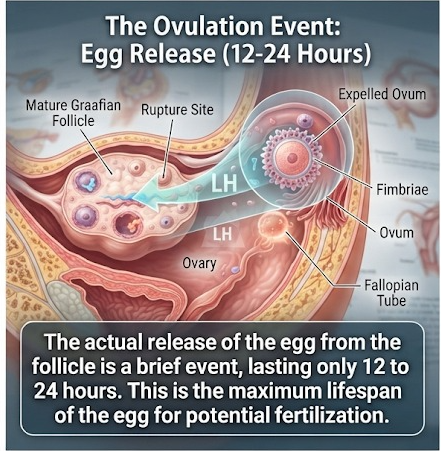
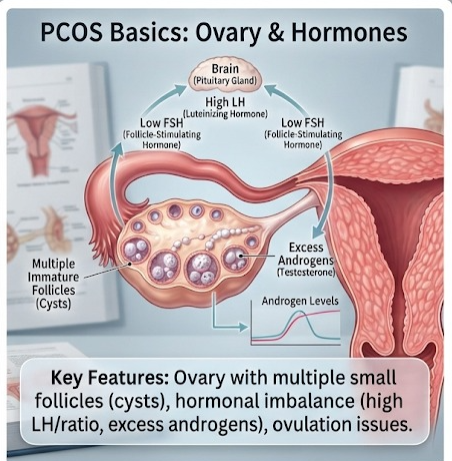
Polycystic ovary syndrome is a hormonal condition that affects how the ovaries function. Women with PCOS often experience an imbalance of reproductive hormones, which can interfere with the normal release of eggs during ovulation. While the name suggests the presence of multiple ovarian cysts, not every woman with PCOS develops cysts, and having ovarian cysts alone does not mean someone has PCOS.
PCOS can affect menstrual cycles, fertility, metabolism, skin health, and emotional well-being. Since symptoms vary from person to person, the condition may go undiagnosed for years.
Common Symptoms of PCOS
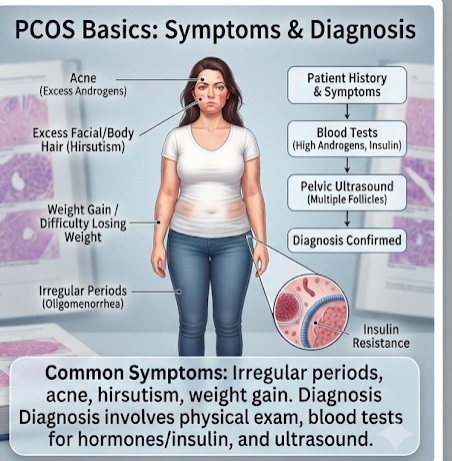
The signs and symptoms of PCOS differ in severity. Some women notice symptoms soon after their first menstrual period, while others develop them later in life.
Common symptoms include:
- Irregular or missed menstrual periods
- Excess facial or body hair growth (hirsutism)
- Acne and oily skin
- Weight gain or difficulty losing weight
- Thinning hair or hair loss on the scalp
- Dark patches of skin around the neck, armpits, or groin
- Difficulty becoming pregnant due to irregular ovulation
Not everyone experiences all of these symptoms, making professional medical evaluation important.
What Causes Polycystic Ovary Syndrome?
The exact cause of PCOS remains unknown, but experts believe several factors contribute to its development.
Hormonal Imbalance
Women with PCOS often produce higher-than-normal levels of androgens, commonly called male hormones. Increased androgen levels have the potential to disturb the ovulation process and result in manifestations like acne and an abundance of hair growth.
Insulin Resistance
Many individuals with PCOS have insulin resistance, meaning their bodies do not use insulin effectively. This causes the pancreas to produce more insulin, which may increase androgen production and worsen symptoms.
Genetics
Family history plays a significant role. If a close relative has PCOS, diabetes, or hormonal disorders, the likelihood of developing PCOS may be higher.
How Is PCOS Diagnosed?
PCOS cannot be diagnosed with just one test. Healthcare providers usually evaluate a combination of medical history, physical examination, blood tests, and pelvic ultrasound.
Doctors generally consider three main factors:
- Irregular or absent ovulation
- Elevated androgen levels or symptoms of excess androgens
- Polycystic appearance of the ovaries on ultrasound
A diagnosis is typically made when at least two of these criteria are present after ruling out other medical conditions.
Treatment and Lifestyle Management
Although there is currently no permanent cure for PCOS, effective treatment can help manage symptoms and reduce long-term health risks.
Healthy lifestyle habits often include:
- Eating a balanced diet rich in whole grains, lean proteins, fruits, and vegetables
- Exercising regularly to improve insulin sensitivity
- Maintaining a healthy body weight
- Getting adequate sleep and managing stress
Healthcare providers may also recommend medications to regulate menstrual cycles, improve ovulation, reduce acne, or manage insulin resistance depending on individual needs and health goals.
Potential Long-Term Health Risks
If left unmanaged, PCOS may increase the risk of several health conditions, including:
- Type 2 diabetes
- High blood pressure
- High cholesterol
- Heart disease
- Sleep apnea
- Infertility
- Endometrial cancer due to prolonged irregular menstrual cycles
Regular health check-ups and early treatment can significantly reduce these risks.
Understanding polycystic ovary syndrome basics empowers women to recognize symptoms early and seek timely medical advice. While PCOS is a lifelong condition, it can be successfully managed through healthy lifestyle choices, regular medical care, and personalized treatment plans. Early diagnosis not only improves quality of life but also helps prevent serious long-term complications. If you experience persistent irregular periods, unexplained weight changes, or other symptoms associated with PCOS, consult a qualified healthcare professional for proper evaluation and guidance.
Liver Cancer Symptoms Cause and Remedy
Read Also: Medical Website Design