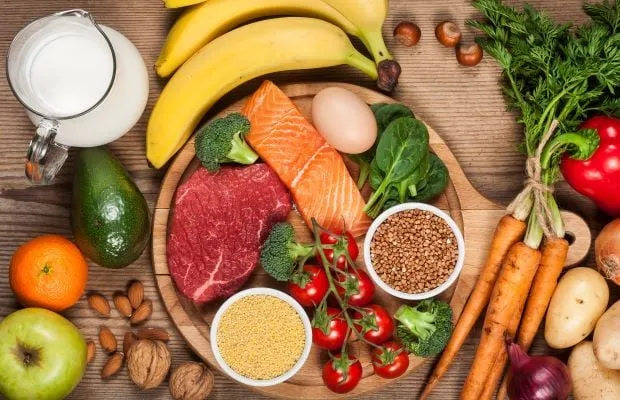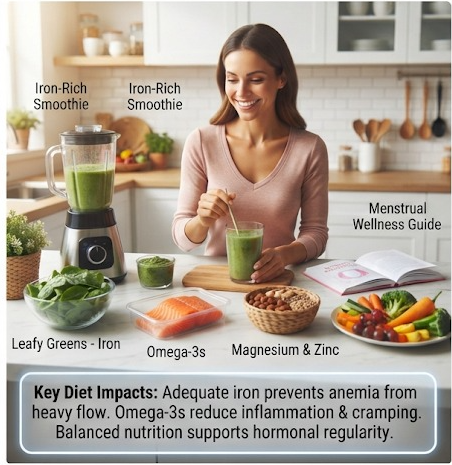
A healthy menstrual cycle is often a reflection of overall health. While hormones play the biggest role in regulating periods, your body also depends on essential vitamins and minerals to maintain hormonal balance and reproductive health. Deficiencies in certain nutrients can contribute to irregular periods, heavy bleeding, painful cramps, or even missed cycles. Knowing which vitamin deficiencies impact your menstrual cycle can assist you in making the appropriate choices for improved menstrual health and overall well-being.
1. Vitamin D Deficiency and Irregular Periods
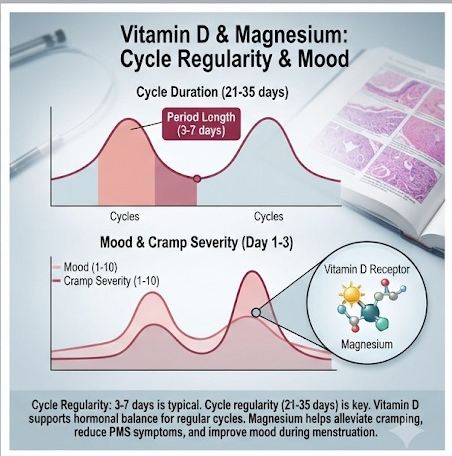
Vitamin D is more than just a nutrient for strong bones—it also supports hormone production and ovarian function. Research suggests that low vitamin D levels may contribute to irregular menstrual cycles, especially in women with hormonal conditions such as polycystic ovary syndrome (PCOS).
Typical signs of lacking vitamin D comprise tiredness, muscle frailty, bone discomfort, and alterations in mood. If your periods are unpredictable or absent, your healthcare provider may recommend checking your vitamin D levels.
Sources of Vitamin D:
- Sunlight exposure
- Fatty fish like salmon and tuna
- Egg yolks
- Fortified dairy products
2. Iron Deficiency Can Make Periods Worse
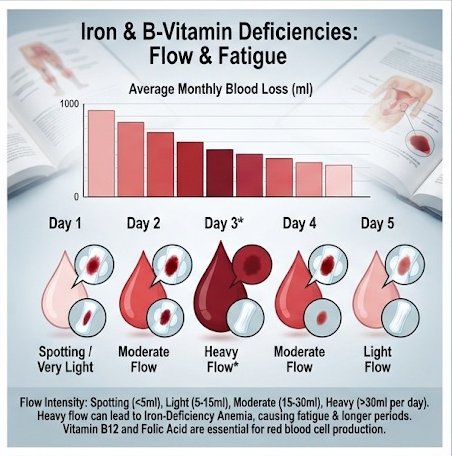
Iron deficiency is a prevalent lack of nutrients often seen in women. Heavy menstrual bleeding can lower iron levels, leading to iron-deficiency anemia. At the same time, low iron can worsen fatigue, dizziness, and weakness during your period.
Signs of iron deficiency include:
- Extreme tiredness
- Pale skin
- Shortness of breath
- Frequent headaches
Eating iron-rich foods and combining them with vitamin C can improve absorption and help restore healthy iron levels.
3. Vitamin B12 Supports Healthy Hormones
Vitamin B12 plays an important role in red blood cell production, nerve health, and hormone regulation. A deficiency may contribute to fatigue, mood swings, and menstrual irregularities. Women following vegetarian or vegan diets may have a higher risk of vitamin B12 deficiency because it is primarily found in animal-based foods.
Good dietary sources include:
- Meat
- Fish
- Dairy products
- Eggs
- Fortified cereals
4. Vitamin B6 Helps Balance Hormones
Vitamin B6 supports the production of neurotransmitters and helps regulate estrogen and progesterone levels. Low vitamin B6 may worsen premenstrual syndrome (PMS), causing irritability, mood changes, bloating, and breast tenderness.
Foods rich in vitamin B6 include:
- Bananas
- Potatoes
- Chicken
- Chickpeas
- Spinach
Maintaining adequate vitamin B6 intake may help reduce PMS symptoms and support a more balanced menstrual cycle.
5. Vitamin E May Ease Menstrual Discomfort
Although vitamin E deficiency is uncommon, this antioxidant plays a role in reducing inflammation and supporting reproductive health. Some studies suggest that adequate vitamin E intake may help reduce menstrual cramps and discomfort.
Natural sources of vitamin E include:
- Almonds
- Sunflower seeds
- Avocados
- Spinach
- Vegetable oils
How to Prevent Vitamin Deficiencies
Maintaining a balanced diet is the best way to support menstrual health. Include plenty of fruits, vegetables, whole grains, lean proteins, healthy fats, and dairy or fortified alternatives in your meals. Staying hydrated, exercising regularly, and getting routine health checkups can also help identify nutritional deficiencies before they affect your menstrual cycle.
Avoid taking vitamin supplements without medical advice, as excessive intake of certain vitamins can also cause health problems.
When to See a Doctor
Occasional changes in your menstrual cycle are common, but persistent irregularities should not be ignored. Seek advice from a medical professional if you encounter:
- Missed periods for several months
- Extremely heavy bleeding
- Severe menstrual pain
- Persistent fatigue or weakness
- Symptoms of anemia or vitamin deficiency
Blood tests can identify nutritional deficiencies and help determine the most appropriate treatment.
Vitamin deficiencies can significantly influence menstrual health by affecting hormone balance, energy levels, and overall reproductive function. Nutrients such as vitamin D, iron, vitamin B12, vitamin B6, and vitamin E all contribute to a healthy menstrual cycle. Eating a nutrient-rich diet and seeking medical advice when symptoms appear can help restore balance and improve both menstrual and general health.
Liver Cancer Symptoms Cause and Remedy
Read Also: Medical Website Design