Hormones play a vital role in regulating nearly every function in a woman’s body, from metabolism and mood to reproduction and sleep. When these chemical messengers become unbalanced, they can affect physical, emotional, and mental well-being. Recognizing the signs of hormonal imbalance in women early can help prevent more serious health issues and improve overall quality of life.
In this article, we’ll explore the common symptoms, possible causes, and effective ways to restore hormonal balance naturally.
What Is Hormonal Imbalance?
Hormonal imbalance arises when the body generates an excess or a deficiency of one or multiple hormones. Even a slight fluctuation can disrupt normal bodily functions. Hormones like estrogen, progesterone, thyroid hormones, insulin, and cortisol collaborate to uphold equilibrium. When one hormone is out of sync, it often affects others as well.
Hormonal changes are common during puberty, pregnancy, menopause, and aging. However, persistent symptoms may indicate an underlying health condition that requires medical attention.
Common Signs of Hormonal Imbalance in Women
1. Irregular Menstrual Cycles
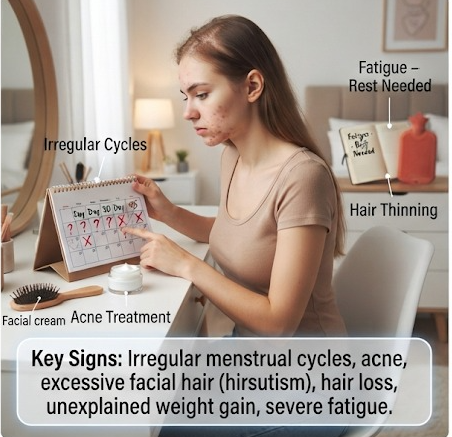
One of the earliest and most noticeable symptoms is an irregular period. Women may experience missed periods, unusually heavy bleeding, spotting between cycles, or periods that occur too frequently. Conditions such as polycystic ovary syndrome (PCOS) or thyroid disorders are often linked to menstrual irregularities.
2. Unexplained Weight Gain or Weight Loss
Hormones regulate metabolism and fat storage. Sudden weight changes, especially around the abdomen, may indicate problems with insulin, thyroid hormones, or cortisol. Difficulty losing weight despite regular exercise and a healthy diet can also be a warning sign.
3. Constant Fatigue
Feeling tired all the time, even after getting enough sleep, could be related to hormonal imbalance. Low thyroid hormone levels, adrenal fatigue, or fluctuating estrogen levels can contribute to persistent exhaustion.
4. Mood Swings and Anxiety
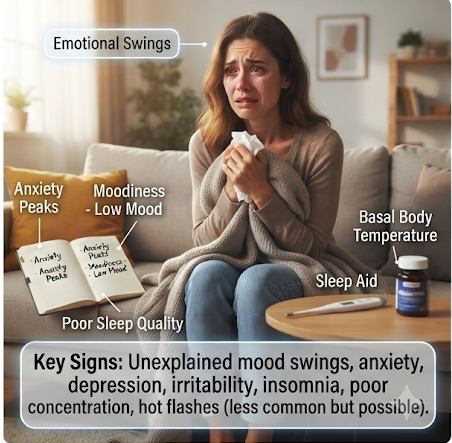
Hormones significantly influence brain chemistry. Women experiencing hormonal imbalance may notice increased irritability, anxiety, depression, or mood swings. These emotional changes often become more noticeable before menstruation or during menopause.
5. Skin Problems and Acne
Adult acne, oily skin, or persistent breakouts may result from elevated androgen levels. Hormonal acne commonly appears along the jawline, chin, and neck and can be difficult to treat with regular skincare products alone.
6. Hair Thinning or Excess Hair Growth
Hair loss on the scalp or excessive facial and body hair can indicate hormonal changes. Elevated male hormones, thyroid disorders, or PCOS are common causes of these symptoms.
7. Sleep Disturbances
Difficulty falling asleep, staying asleep, or waking up frequently during the night may be linked to changing progesterone, estrogen, or cortisol levels. Poor sleep can further worsen hormonal imbalance, creating a frustrating cycle.
8. Low Libido
A noticeable decrease in sexual desire may result from declining estrogen or testosterone levels. Hormonal imbalance can also cause vaginal dryness, making intimacy uncomfortable.
What Causes Hormonal Imbalance?
Several factors can contribute to hormone fluctuations, including:
- Chronic stress
- Poor nutrition
- Lack of physical activity
- Thyroid disorders
- Polycystic ovary syndrome (PCOS)
- Diabetes or insulin resistance
- Pregnancy and menopause
- Certain medications
- Poor sleep quality
Understanding the underlying cause is essential for choosing the right treatment approach.
How to Improve Hormonal Balance Naturally
While medical treatment may be necessary in some cases, healthy lifestyle habits can support hormone regulation.
- Eat a balanced diet rich in whole foods, healthy fats, lean proteins, and fiber.
- Exercise regularly to improve metabolism and reduce stress.
- Emphasize the importance of good sleep by sticking to a regular bedtime schedule.
- Practice stress management through meditation, yoga, or deep breathing exercises.
- Limit processed foods, excess sugar, and alcohol.
- Stay hydrated and maintain a healthy body weight.
If symptoms persist or become severe, consult a healthcare professional for proper evaluation and hormone testing.
When Should You See a Doctor?
Seek medical advice if you experience persistent irregular periods, unexplained weight changes, severe fatigue, infertility, excessive hair loss, or symptoms that interfere with daily life. Early diagnosis can help identify conditions such as thyroid disease, PCOS, or other endocrine disorders before complications develop.
Recognizing the signs of hormonal imbalance in women is the first step toward better health. Symptoms like irregular periods, mood swings, fatigue, acne, and weight changes should never be ignored. While lifestyle improvements can help maintain hormonal health, persistent symptoms deserve professional medical evaluation. By understanding your body’s signals and taking proactive steps, you can support long-term wellness and hormonal balance.
Liver Cancer Symptoms Cause and Remedy
Read Also: Medical Website Design