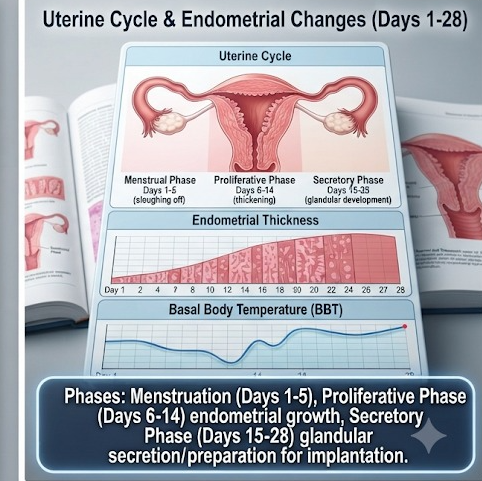
Understanding the phases of the menstrual cycle chart helps women track their reproductive health, predict ovulation, and recognize hormonal changes throughout the month. Although the average menstrual cycle lasts 28 days, it can normally range from 21 to 35 days. Each phase has a unique role in preparing the body for pregnancy or beginning a new cycle.
Learning how each stage works can help improve fertility awareness, manage symptoms, and support overall well-being.
What Is a Menstrual Cycle?
The menstrual cycle is a monthly hormonal process that prepares the uterus for a possible pregnancy. If fertilization does not occur, the uterine lining is shed through menstruation, and a new cycle begins.
A menstrual cycle chart divides this process into four main phases, making it easier to understand what happens inside the body during each stage.
Phases of the Menstrual Cycle Chart
1. Menstrual Phase (Day 1–5)
The menstrual phase marks the beginning of the cycle. During this time, the uterus sheds its lining, resulting in menstrual bleeding.
Common symptoms include:
- Menstrual bleeding
- Mild to severe cramps
- Fatigue
- Lower back pain
- Mood changes
Hormone levels of estrogen and progesterone are at their lowest, which triggers the shedding of the uterine lining.
2. Follicular Phase (Day 1–13)
The follicular phase coincides with the menstrual period and lasts until the release of an egg. During this stage, the brain releases Follicle-Stimulating Hormone (FSH), encouraging several ovarian follicles to grow. Usually, one follicle becomes dominant and releases a mature egg.
What happens during this phase?
- Estrogen levels increase.
- The uterine lining begins to thicken.
- Energy levels often improve.
- Skin may appear clearer.
This is an ideal time for physical activity because many women feel more energetic.
3. Ovulation Phase (Around Day 14)
Ovulation is the shortest but most important phase of the menstrual cycle. A surge in Luteinizing Hormone (LH) causes the mature egg to be released from the ovary.
Signs of ovulation include:
- Clear, stretchy cervical mucus
- Mild pelvic pain
- Increased libido
- Slight rise in basal body temperature
This phase represents the highest fertility window, making it the best time for conception.
4. Luteal Phase (Day 15–28)
After ovulation, the ruptured follicle becomes the corpus luteum, which produces progesterone. This hormone prepares the uterus for implantation if fertilization occurs.
If pregnancy does not happen, progesterone and estrogen levels decline, causing the uterine lining to break down and leading to the next menstrual period.
Common symptoms include:
- Bloating
- Breast tenderness
- Mood swings
- Food cravings
- Acne
- Premenstrual syndrome (PMS)
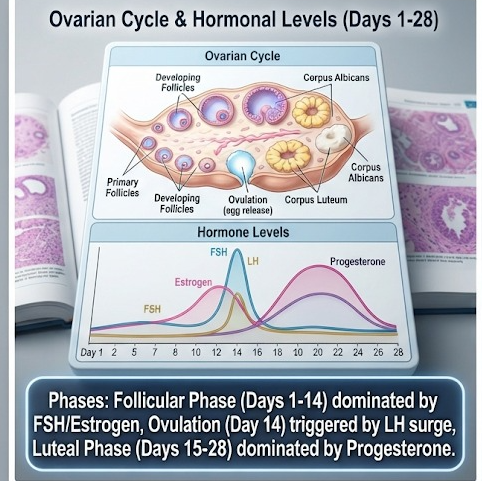
Simple Menstrual Cycle Chart
| Phase | Typical Days | Main Hormones | Key Events |
|---|---|---|---|
| Menstrual | 1–5 | Low estrogen & progesterone | Menstrual bleeding begins |
| Follicular | 1–13 | Rising estrogen & FSH | Egg develops and uterine lining thickens |
| Ovulation | Around 14 | LH surge | Mature egg is released |
| Luteal | 15–28 | Progesterone | Uterus prepares for pregnancy or next period |
Why Tracking Your Menstrual Cycle Matters
Keeping a menstrual cycle chart provides valuable insights into your reproductive health. It can help you:
- Predict future periods accurately.
- Identify ovulation days.
- Monitor hormonal changes.
- Recognize irregular cycles.
- Support pregnancy planning or natural family planning.
- Detect potential health concerns early.
Many women use mobile apps or traditional calendars to record cycle length, symptoms, and mood changes.
Tips for Maintaining a Healthy Menstrual Cycle
Healthy lifestyle habits can support hormonal balance and regular cycles.
- Consume a well-rounded diet abundant in fruits, veggies, and whole grains.
- Exercise regularly.
- Get adequate sleep every night.
- Stay hydrated.
- Manage stress through meditation or yoga.
- Consult a healthcare professional if periods become unusually painful, irregular, or absent.
Understanding the phases of the menstrual cycle chart allows women to better understand their bodies and make informed health decisions. Each stage—from menstruation and follicular development to ovulation and the luteal phase—plays an essential role in reproductive health. By tracking your cycle consistently, you can recognize normal patterns, identify changes early, and take proactive steps toward maintaining overall wellness.
Liver Cancer Symptoms Cause and Remedy
Read Also: Medical Website Design