Stress is become an inevitable aspect of contemporary life. Whether it comes from work pressures, family responsibilities, financial concerns, or personal challenges, long-term stress can significantly affect a woman’s physical and mental health. One of the lesser-known consequences of chronic stress is its impact on body shape and weight distribution. Understanding how stress changes a woman’s body shape can help women take proactive steps toward better health and well-being.
The Connection Between Stress and Body Shape
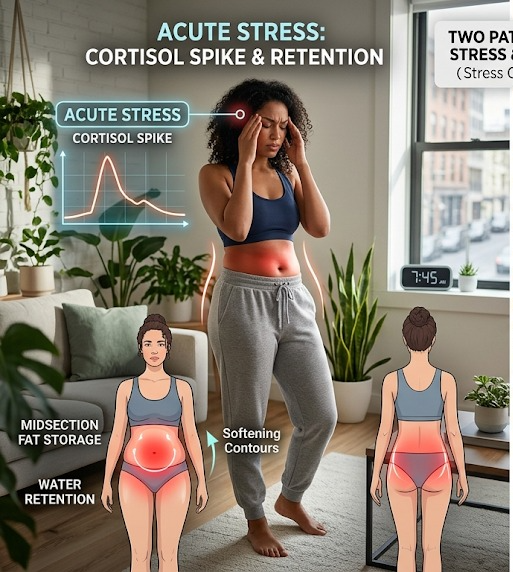
When a woman experiences stress, her body releases hormones such as cortisol, often called the “stress hormone.” Cortisol plays a crucial role in the body’s fight-or-flight response. While this response is helpful during short-term emergencies, prolonged stress can cause cortisol levels to remain elevated, leading to various physical changes.
High cortisol levels can influence metabolism, appetite, and fat storage, resulting in noticeable changes in body shape over time.
Increased Belly Fat Accumulation
One of the most common ways stress affects a woman’s body shape is through the accumulation of abdominal fat. Elevated cortisol levels encourage the body to store fat around the midsection rather than in other areas.
This type of fat, known as visceral fat, surrounds internal organs and is associated with a higher risk of health conditions such as heart disease, diabetes, and high blood pressure. Even women who maintain a relatively stable weight may notice an increase in waist circumference during periods of chronic stress.
Changes in Eating Habits
Stress often triggers emotional eating and cravings for high-calorie foods. Many women find themselves reaching for sugary snacks, fast food, or comfort foods when feeling overwhelmed.
These foods provide temporary emotional relief but contribute to excess calorie intake. Overeating brought on by stress can eventually result in weight gain, particularly in the thighs, hips, and tummy. This shift in eating behavior can significantly alter body proportions and overall body shape.
Muscle Loss and Reduced Physical Activity
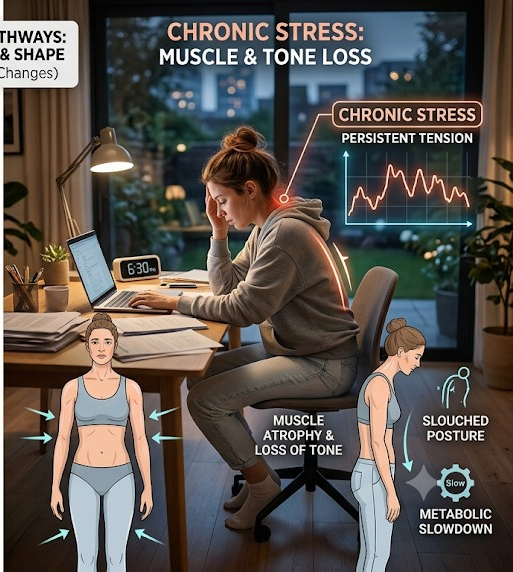
Chronic stress can also lead to fatigue, lack of motivation, and decreased physical activity. When exercise levels decline, muscle mass may gradually decrease. Muscle tissue helps maintain a toned appearance and supports a healthy metabolism.
As muscle mass declines, body fat percentages may increase, causing the body to appear softer and less defined. Women may notice changes in their arms, legs, and overall body composition due to stress-related inactivity.
Hormonal Imbalances and Weight Fluctuations
Stress can interfere with the balance of hormones such as estrogen, progesterone, and insulin. hanges in fat distribution, bloating, weight gain, and water retention can all be caused by hormonal imbalances.
Women experiencing prolonged stress may find it harder to maintain a healthy weight despite following their usual diet and exercise routines. Hormonal disruptions can also affect menstrual cycles and overall reproductive health.
Impact on Sleep and Metabolism
Poor sleep is another common consequence of stress. Lack of quality sleep affects hormones that regulate hunger and fullness, including leptin and ghrelin.
Women who are sleep-deprived often experience increased appetite and stronger cravings for unhealthy foods. At the same time, metabolism may slow down, making it easier to gain weight and more difficult to lose it. This combination has the potential to progressively alter body shape and raise body fat percentages.
How to Prevent Stress-Related Body Changes
Managing stress is essential for maintaining a healthy body shape and overall wellness. Effective stress-management strategies include:
- Practicing regular physical activity
- Getting 7–9 hours of quality sleep each night
- Following a balanced and nutritious diet
- Practicing mindfulness and meditation
- Staying connected with supportive friends and family
- Seeking professional help when stress becomes overwhelming
Stress affects much more than emotional well-being—it can significantly change a woman’s body shape through hormonal fluctuations, increased fat storage, muscle loss, and altered eating habits. By understanding the relationship between stress and physical health, women can take steps to reduce stress levels and protect their bodies from its long-term effects. Maintaining a healthy lifestyle and prioritizing stress management are key to preserving both physical appearance and overall health.
Liver Cancer Symptoms Cause and Remedy
Read Also: Medical Website Design