

Relationships thrive on trust, communication, and emotional security. However, when one partner struggles with insecurity, even a loving relationship can face unnecessary stress. Constant reassurance, jealousy, overthinking, and fear of abandonment are common signs of insecurity that can affect both individuals. Learning how to deal with an insecure partner patiently is essential for maintaining a healthy and lasting relationship.
In this guide, we’ll explore practical strategies to support your partner while protecting your own emotional well-being.
Understand the Root Cause of Their Insecurity
Before reacting to your partner’s behavior, try to understand what is causing their insecurity. Many people develop insecurities because of past heartbreaks, childhood experiences, betrayal, low self-esteem, or fear of rejection. Their actions may not be a reflection of your relationship but rather unresolved emotional wounds.
Instead of criticizing them, approach the situation with empathy. Ask open-ended questions and encourage honest conversations. Understanding the reason behind their fears creates a stronger emotional connection and helps both partners work toward a solution.
Practice Open and Honest Communication
Healthy communication is the foundation of every successful relationship. If your partner constantly seeks reassurance or questions your actions, avoid responding with anger or frustration. Instead, calmly explain your thoughts and intentions.
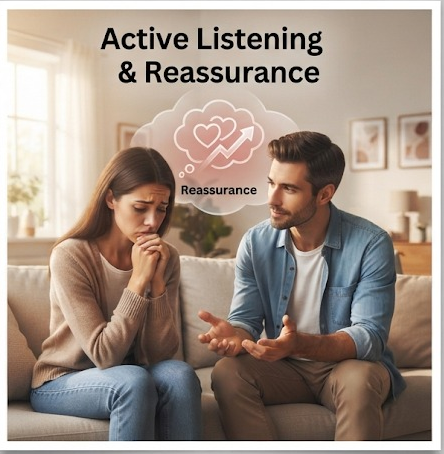
Listen without interrupting and validate their feelings, even if you don’t completely agree. Saying something like, “I understand why you feel that way,” can make them feel valued and heard.
Regular communication reduces misunderstandings and strengthens trust over time.
Offer Reassurance Without Encouraging Dependence
People with insecurities often need reassurance that they are loved and valued. Small gestures such as compliments, affectionate messages, or spending quality time together can help ease their worries.
However, it’s equally important not to create emotional dependency. Constantly proving your loyalty every minute of the day can become unhealthy. Reassure them when needed, but also encourage them to build confidence in themselves.
A balanced approach supports both emotional security and personal growth.
Set Healthy Relationship Boundaries
Patience doesn’t mean accepting controlling or toxic behavior. If your partner checks your phone, monitors your social media, or constantly demands your location, it’s important to establish healthy boundaries.
Explain your expectations respectfully and make it clear that trust is necessary for a successful relationship. Boundaries promote respect for one another while shielding both partners from emotional exhaustion.
Healthy boundaries are not signs of distance—they are signs of a mature relationship.
Encourage Personal Growth and Self-Confidence
One of the best ways to help an insecure partner is by encouraging them to improve their self-esteem. Support their hobbies, celebrate their achievements, and motivate them to pursue personal goals.
Confidence grows when people recognize their own strengths. Whether it’s learning a new skill, exercising regularly, or building a successful career, personal achievements reduce dependence on external validation.
A confident partner is more likely to build a stable and trusting relationship.
Avoid Triggering Unnecessary Jealousy
While you shouldn’t change your personality to satisfy insecurity, being mindful of your actions can prevent avoidable misunderstandings. Be transparent about your plans, avoid hiding conversations, and communicate openly about friendships with others.
Honesty builds trust far more effectively than secrecy. Simple transparency can reassure your partner without compromising your independence.
Be Patient but Recognize Your Limits
Helping an insecure partner takes time. Emotional healing rarely happens overnight. Celebrate small improvements and remain supportive during setbacks.
At the same time, remember that you cannot fix someone else’s insecurities alone. If the relationship becomes emotionally draining or their behavior turns manipulative, professional counseling may be the healthiest option for both of you.
Supporting someone should never come at the cost of your own mental health.
Learning how to deal with an insecure partner patiently requires compassion, communication, and consistency. By understanding the root causes of insecurity, offering balanced reassurance, maintaining healthy boundaries, and encouraging self-confidence, couples can build a stronger and more trusting relationship.
Read Also: Wedding Website Design