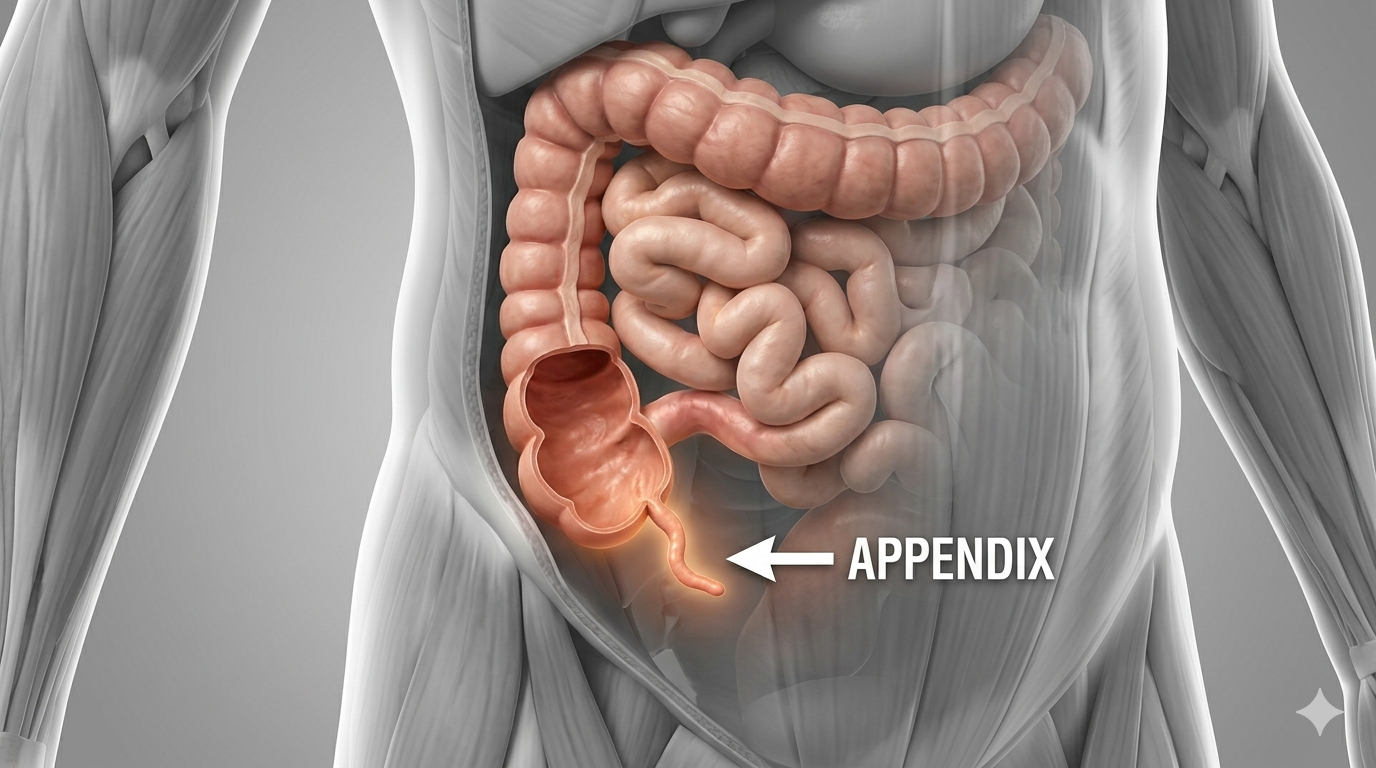
When it comes to female weight loss, diet and exercise are often the primary focus. However, an important factor that is frequently overlooked is gut health. The digestive system plays a significant role in metabolism, hormone regulation, nutrient absorption, and overall well-being. Research continues to show a strong connection between gut health and weight management in women. Understanding this relationship can help women achieve healthier and more sustainable weight loss results.
What Is Gut Health?
Gut health refers to the balance of microorganisms living in the digestive tract. These bacteria, fungi, and other microbes collectively make up the gut microbiome. A healthy gut contains a diverse range of beneficial bacteria that support digestion, strengthen the immune system, and help regulate various bodily functions.
When the gut microbiome becomes imbalanced due to poor diet, stress, lack of sleep, or excessive antibiotic use, it can negatively affect metabolism and contribute to weight gain.
How Gut Health Influences Female Weight Loss
1. Regulates Metabolism
The gut microbiome plays a crucial role in how the body processes food and stores fat. Healthy gut bacteria help break down nutrients efficiently and convert food into energy. An unhealthy gut may slow metabolism, making it more difficult for women to lose weight despite following a calorie-controlled diet.
2. Controls Hunger and Cravings
Certain gut bacteria influence hormones that regulate appetite, such as ghrelin and leptin. When the gut is balanced, these hormones function properly, helping women feel full after meals and reducing unnecessary snacking.
An unhealthy gut can trigger increased cravings for sugary and processed foods, which often leads to overeating and weight gain.
3. Supports Hormonal Balance
Hormones have a significant impact on female weight loss. Conditions such as polycystic ovary syndrome (PCOS), menopause, and thyroid imbalances can make weight management challenging. A healthy gut helps regulate estrogen and other hormones, supporting better metabolic function and reducing the risk of stubborn weight gain.
4. Reduces Inflammation
Chronic inflammation is linked to obesity and difficulty losing weight. Poor gut health can increase inflammation throughout the body by allowing harmful substances to enter the bloodstream. This condition, often called “leaky gut,” may contribute to insulin resistance and fat storage.
Improving gut health can help lower inflammation levels, making weight loss more achievable.

Best Foods for Gut Health and Weight Loss
Fiber-Rich Foods
Foods high in fiber nourish beneficial gut bacteria and promote healthy digestion. Excellent choices include:
- Oats
- Lentils
- Beans
- Apples
- Berries
- Broccoli
Probiotic Foods
Probiotics introduce healthy bacteria into the digestive system. Some popular probiotic-rich foods are:
- Yogurt
- Kefir
- Kimchi
- Sauerkraut
- Miso
Prebiotic Foods
Prebiotics act as food for beneficial gut bacteria and help them thrive. Good sources include:
- Garlic
- Onions
- Bananas
- Asparagus
- Chicory root
Lifestyle Habits That Improve Gut Health
In addition to healthy eating, several lifestyle habits can support a balanced gut microbiome and enhance female weight loss efforts:
- Get 7–9 hours of quality sleep each night.
- Manage stress through meditation, yoga, or deep breathing exercises.
- Stay physically active with regular exercise.
- Drink plenty of water throughout the day.
- Limit processed foods, refined sugar, and excessive alcohol consumption.
The connection between gut health and female weight loss is stronger than many people realize. A healthy gut supports metabolism, regulates appetite, balances hormones, and reduces inflammation—all of which contribute to successful weight management. By focusing on gut-friendly foods and healthy lifestyle habits, women can improve their overall health while making their weight loss journey more effective and sustainable. Prioritizing gut health may be the missing piece needed to achieve long-term weight loss success.
Liver Cancer Symptoms Cause and Remedy
Read Also: Medical Website Design