
Weight gain can sometimes happen even when you maintain a healthy diet and regular exercise routine. One of the most common yet overlooked reasons is hormonal imbalance. Hormones regulate many important functions in the body, including metabolism, appetite, fat storage, and energy levels. When these hormones become imbalanced, sudden hormonal weight gain can occur without any obvious lifestyle changes.
What Is Hormonal Weight Gain?
Hormonal weight gain refers to an increase in body weight caused by fluctuations or imbalances in hormones. Unlike weight gain caused by overeating or lack of physical activity, hormonal weight gain often occurs rapidly and can be difficult to control through traditional diet and exercise methods alone.
Understanding the causes of hormonal weight gain is essential for identifying the right treatment and maintaining overall health.
1. Thyroid Disorders
Hormones that control metabolism are made by the thyroid gland. When the thyroid becomes underactive, a condition known as hypothyroidism, the body’s metabolic rate slows down significantly.
Common symptoms include:
- Unexplained weight gain
- Fatigue
- Dry skin
- Sensitivity to cold
- Depression
Because the body burns fewer calories, excess weight can accumulate even when eating habits remain unchanged.
2. Insulin Resistance
Insulin is in charge of controlling blood sugar levels. When the body’s cells become resistant to insulin, blood sugar levels rise, and the body stores more fat.
Insulin resistance is commonly associated with:
- Obesity
- Prediabetes
- Type 2 diabetes
- Metabolic syndrome
People with insulin resistance often experience increased hunger, cravings for sugary foods, and stubborn weight gain around the abdomen.
3. Polycystic Ovary Syndrome (PCOS)
Women of reproductive age often suffer with PCOS, one of the most prevalent hormonal disorders. It causes an imbalance of reproductive hormones, leading to irregular menstrual cycles and weight gain.
Symptoms of PCOS include:
- Rapid weight gain
- Irregular periods
- Acne
- Excess facial hair
- Difficulty losing weight
Many women with PCOS also experience insulin resistance, which further contributes to weight gain.
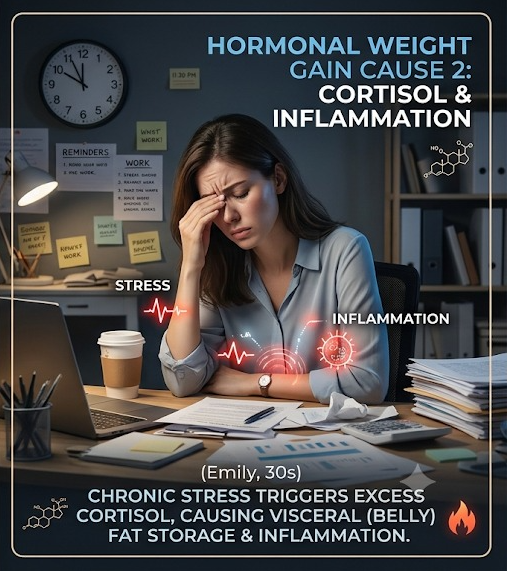
4. High Cortisol Levels and Stress
Cortisol is often called the “stress hormone.” During periods of chronic stress, the body releases excess cortisol, which can trigger fat storage, especially around the abdomen.
High cortisol levels may result from:
- Emotional stress
- Lack of sleep
- Anxiety disorders
- Excessive work pressure
Elevated cortisol can also increase appetite and cravings for high-calorie foods, leading to sudden weight gain.
5. Menopause and Hormonal Changes
Women often experience hormonal weight gain during menopause due to declining estrogen levels. These hormonal shifts can slow metabolism and change the way the body stores fat.
Menopause-related weight gain typically affects:
- Abdomen
- Hips
- Thighs
In addition, reduced muscle mass during aging can further decrease calorie burning and contribute to weight gain.
6. Low Testosterone Levels
Testosterone plays an important role in maintaining muscle mass and regulating fat distribution in both men and women. Low testosterone levels can reduce muscle mass and slow metabolism.
Common causes include:
- Aging
- Certain medications
- Medical conditions affecting hormone production
As muscle mass decreases, the body burns fewer calories, making weight gain more likely.
Signs Your Weight Gain May Be Hormonal
If your weight gain is hormone-related, you may notice additional symptoms such as:
- Constant fatigue
- Mood swings
- Hair loss
- Sleep disturbances
- Irregular menstrual cycles
- Increased belly fat
- Difficulty losing weight despite exercise
These symptoms may indicate an underlying hormonal imbalance that requires medical evaluation.
How to Manage Hormonal Weight Gain
Managing hormonal weight gain often requires addressing the root cause. Effective strategies include:
- Eating a balanced, nutrient-rich diet
- Exercising regularly
- Managing stress levels
- Getting adequate sleep
- Monitoring blood sugar levels
- Seeking medical advice for hormone testing
A healthcare professional can recommend treatments such as medication, hormone therapy, or lifestyle modifications depending on the specific hormonal condition.
Sudden hormonal weight gain can be frustrating and confusing, especially when it occurs without significant lifestyle changes. Conditions such as hypothyroidism, insulin resistance, PCOS, high cortisol levels, menopause, and low testosterone can all contribute to unexpected weight gain. Identifying the underlying hormonal cause is the first step toward effective treatment and long-term weight management. If you experience rapid weight gain along with other symptoms, consulting a healthcare provider can help restore hormonal balance and improve overall well-being.
Liver Cancer Symptoms Cause and Remedy
Read Also: Medical Website Design