
India is a land of unity, diversity, and rich cultural heritage. The National Festivals of India play an important role in bringing people together regardless of religion, caste, language, or region. These festivals reflect the country’s history, patriotism, and freedom struggle. The three main national festivals of India are Independence Day, Republic Day, and Gandhi Jayanti. These occasions are celebrated across the nation with great enthusiasm and pride. Schools, colleges, government offices, and public institutions organize various cultural programs, flag hoisting ceremonies, and patriotic events to honor the spirit of the nation.
Independence Day
On August 15, Independence Day is observed annually. This day marks India’s freedom from British rule in 1947. One of India’s most significant national celebrations. The Prime Minister raises the national flag at Delhi’s Red Fort on this day and addresses the country.
People celebrate Independence Day by singing patriotic songs, participating in parades, and organizing cultural activities. Schools and colleges arrange competitions, speeches, and dramas based on freedom fighters and the history of India’s independence movement. The day reminds every citizen about the sacrifices made by brave freedom fighters like Mahatma Gandhi, Subhas Chandra Bose, and Bhagat Singh.
Republic Day
Republic Day is celebrated on 26th January every year. On this day in 1950, the Constitution of India came into effect, making India a republic nation. Republic Day represents the democratic values and constitutional strength of the country.
The grand Republic Day parade held in New Delhi is the main attraction of this festival. The parade showcases India’s military power, cultural diversity, and technological achievements. Different states present colorful tableaux that display their traditions and culture. Brave soldiers and children are also honored with awards for their courage and achievements.
Republic Day teaches citizens the importance of democracy, equality, and unity. It is celebrated with great respect and patriotism in every corner of the country.
Gandhi Jayanti
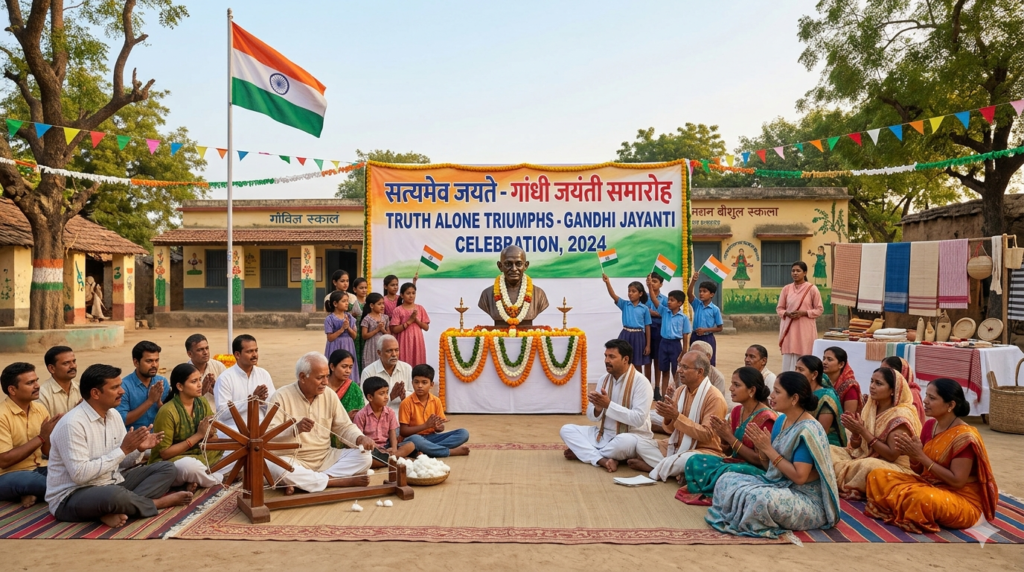
Gandhi Jayanti is celebrated on 2nd October every year to honor the birth anniversary of Mahatma Gandhi, who is known as the “Father of the Nation.” Mahatma Gandhi played a important part in India‘s fight for independence via his ideas of truth and non-violence.
On Gandhi Jayanti, people pay tribute to Gandhi Ji by organizing prayer meetings, cleanliness drives, and social awareness programs. Schools and institutions conduct essay writing, debates, and cultural programs to spread his message of peace and harmony.
The United Nations also observes this day as the International Day of Non-Violence. Gandhi Jayanti inspires people to follow the path of honesty, simplicity, and peace in daily life.
Importance of National Festivals
National festivals are not just holidays; they are symbols of national pride and unity. These celebrations help people remember the sacrifices of freedom fighters and understand the importance of independence and democracy. National festivals encourage feelings of patriotism among citizens and strengthen the bond between different communities.
They also help the younger generation learn about India’s history, culture, and constitutional values. By celebrating these festivals together, people develop respect for the nation and its traditions.
The national festivals of India are an essential part of the country’s cultural and historical identity. Independence Day, Republic Day, and Gandhi Jayanti remind citizens about the struggles, achievements, and values that shaped modern India. These festivals unite people from different backgrounds and promote love, peace, and patriotism. Every Indian proudly celebrates these national festivals to honor the nation and its heroes.
Significance of Mahavir Jayanti
Ganesh Chaturthi in Mumbai, Maharashtra
Event Management Website Design