Search engine optimization (SEO) has evolved significantly over the years, and one of the biggest changes is the rise of zero-click searches. Today, users often get answers directly on the search engine results page (SERP) without clicking on any website. Google displays featured snippets, AI-generated overviews, knowledge panels, local packs, and other rich results that satisfy user queries instantly.
This shift has forced businesses, bloggers, and digital marketers to rethink their SEO content strategy. Instead of focusing only on driving clicks, brands must optimize their content for visibility, authority, and user engagement. Understanding how zero-click searches work can help you create content that remains competitive and valuable.
What Are Zero-Click Searches?
A zero-click search happens when a user discovers the necessary information directly on the search results page without going to a different website.
Common examples include:
- Featured snippets
- AI-generated search summaries
- Knowledge panels
- Local business listings
- Weather updates
- Currency conversions
- Sports scores
- Definitions and quick facts
These features improve the user experience by providing instant answers. However, they also reduce the number of clicks websites receive, making traditional SEO strategies less effective.
Why Zero-Click Searches Matter for SEO
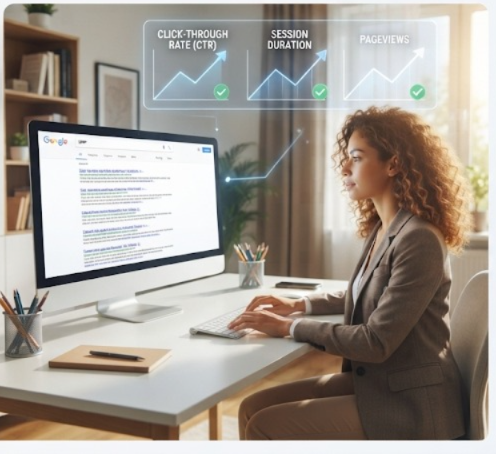
Google’s goal is to deliver the best user experience by answering questions as quickly as possible. As a result, websites that once relied on organic traffic may notice declining click-through rates (CTR), even if they rank on the first page.
Instead of viewing zero-click searches as a threat, marketers should treat them as an opportunity to increase brand visibility. Being showcased in highlighted snippets or AI-created summaries can enhance trustworthiness and expose your brand to a broader set of viewers.
The focus of SEO is gradually shifting from simply ranking higher to becoming the most trusted source of information.
How Zero-Click Searches Change Content Strategy
Create Direct Answers
Users prefer quick and clear information. Begin your articles by answering the main question in one or two concise paragraphs before providing detailed explanations.
For example, if your topic is “What is Zero-Click Search?” include a simple definition near the beginning of the article.
Optimize for Featured Snippets
Featured snippets often appear above regular search results. To improve the likelihood of being chosen:
- Use question-based headings.
- Write concise answers.
- Include numbered and bulleted lists.
- Organize content with proper headings.
- Add tables where appropriate.
Well-structured content is easier for search engines to understand.
Focus on Search Intent
Modern SEO prioritizes search intent over keyword stuffing. Understand what users actually want when they perform a search.
There are four primary search intents:
- Informational
- Navigational
- Transactional
- Commercial investigation
Creating content that matches user intent improves rankings and engagement.
Build Topical Authority
Rather than publishing isolated articles, create comprehensive content clusters around a specific topic.
For example, if your niche is digital marketing, publish articles covering:
- SEO basics
- Keyword research
- On-page SEO
- Technical SEO
- Link building
- Local SEO
- AI in SEO
This approach signals expertise and helps search engines recognize your website as an authoritative resource.
Improve Content Quality
Google increasingly rewards content that demonstrates experience, expertise, authoritativeness, and trustworthiness (E-E-A-T).
High-quality content should:
- Include original insights
- Use reliable sources
- Answer user questions completely
- Be updated regularly
- Provide practical examples
Unique and helpful content remains essential despite changes in search behavior.

Best Practices for Future SEO Success
To succeed in the era of zero-click searches:
- Write clear, user-focused content.
- Use descriptive headings and subheadings.
- Optimize for voice search using conversational language.
- Include FAQ sections.
- Add schema markup where appropriate.
- Improve page speed and mobile usability.
- Monitor search performance using analytics tools.
Remember that visibility is becoming just as valuable as website traffic.
The Role of AI in Zero-Click Searches
Artificial intelligence is transforming search results by generating summaries from multiple sources. To improve your chances of being referenced:
- Publish original research.
- Share expert opinions.
- Keep information accurate and updated.
- Use clear formatting and logical structure.
- Cover topics in depth.
Content that offers genuine value is more likely to be cited by AI-powered search experiences.
Zero-click searches are reshaping SEO content strategy by changing how users interact with search engines. While they may reduce traditional organic clicks, they also create new opportunities for brands to increase visibility and establish authority.
Businesses should focus on creating high-quality, well-structured, and intent-driven content that answers user questions effectively. Optimizing for featured snippets, building topical authority, and demonstrating expertise are now essential components of a successful SEO strategy.
As search technology continues to evolve with AI and enhanced search features, the websites that prioritize user value over keyword density will be best positioned for long-term SEO success. By adapting your content strategy today, you can maintain strong search visibility and remain competitive in the ever-changing digital landscape.
Effects of AI in Upcoming Technology
Manhole – Essential Access Points in Urban Infrastructure
RCPC Manhole Covers and Frames
Read Also : Social Network Website Design