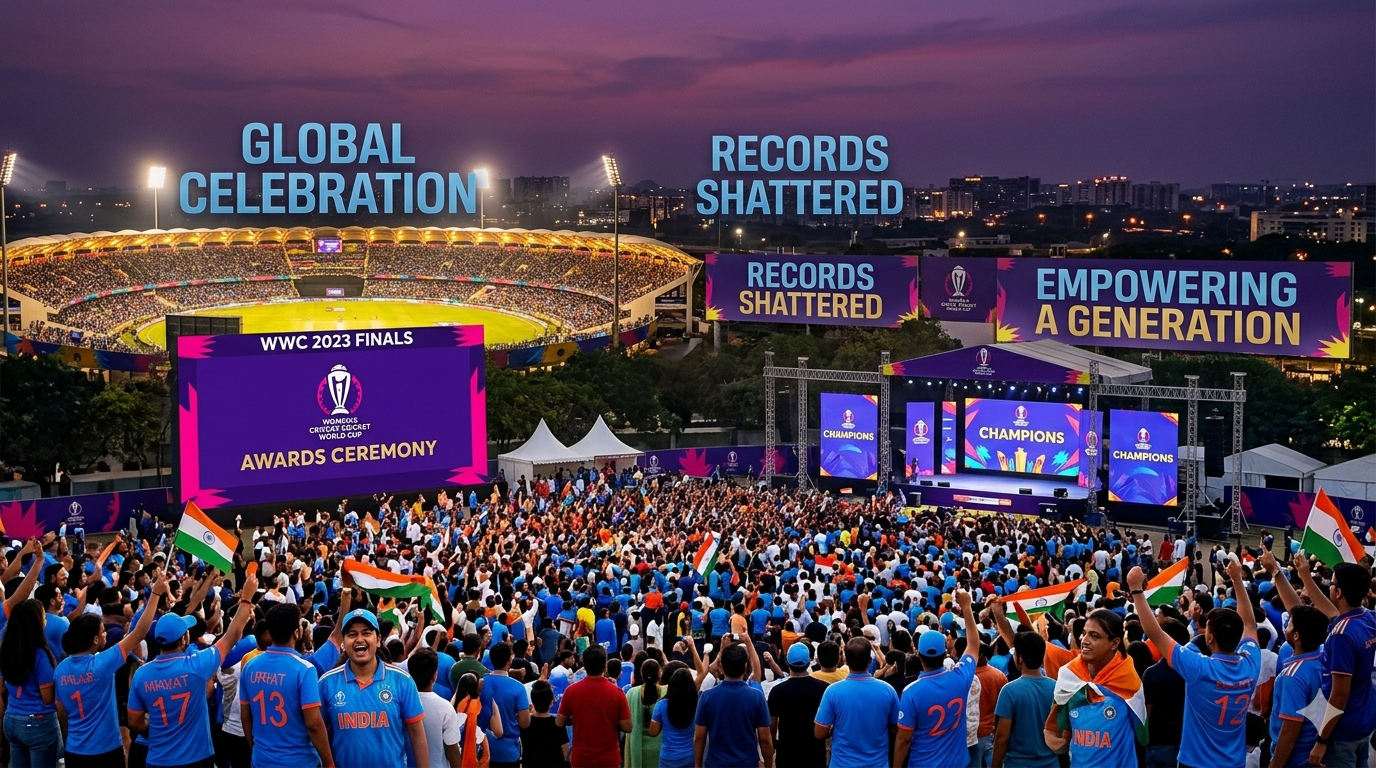
The ICC Women’s Cricket World Cup is the pinnacle of international Women’s World Cup. Organized by the International Cricket Council, this tournament brings together the best teams from around the world to compete for global supremacy. Over the years, it has grown in popularity, showcasing exceptional talent, thrilling matches, and inspiring stories.
History of the Women’s Cricket World Cup
The Women’s Cricket World Cup began in 1973, making it older than the men’s version. The inaugural tournament was held in England and featured seven teams. Since then, the competition has evolved significantly, both in terms of scale and professionalism.
Early editions were dominated by England Women’s Cricket Team and Australia Women’s Cricket Team. However, over time, other nations like India Women’s Cricket Team and New Zealand Women’s Cricket Team have emerged as strong contenders.
Format and Structure
The Women’s Cricket World Cup is played in the One Day International (ODI) format, where each team plays 50 overs per innings. The tournament typically follows a round-robin and knockout structure:
- Group Stage: All teams play against each other.
- Semi-Finals: Top four teams qualify.
- Final: The winners of the semi-finals compete for the trophy.
This format ensures fair competition and gives every team multiple opportunities to prove their skills.
Top Teams and Dominance
The most successful team in the history of the Women’s Cricket World Cup is Australia. The Australia Women’s Cricket Team has won multiple titles, showcasing consistent excellence.
England has also been a strong competitor, while India has reached the finals on several occasions, gaining massive support from fans. Teams like New Zealand and South Africa have also made significant progress in recent years, making the tournament more competitive than ever.
Star Players Who Made History
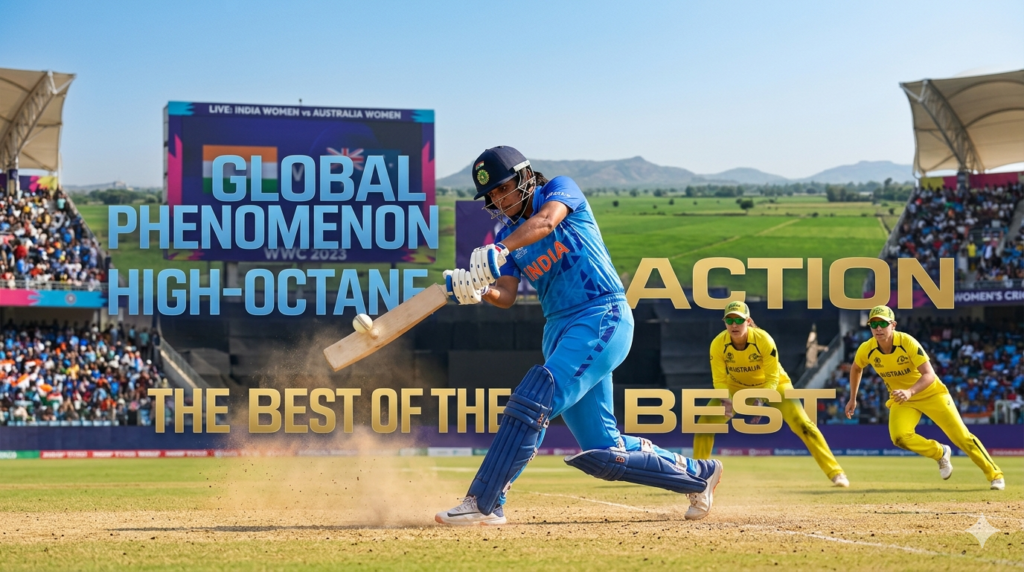
The Women’s Cricket World Cup has seen some legendary players who have left a lasting impact on the sport. Cricketers like Mithali Raj, Meg Lanning, and Ellyse Perry have set new benchmarks with their performances.
These players have not only broken records but have also inspired millions of young girls to take up cricket professionally.
Importance of the Tournament
The Women’s Cricket World Cup plays a crucial role in promoting gender equality in sports. It provides a global platform for women cricketers to showcase their talent and gain recognition.
With increasing media coverage and sponsorship, the tournament has helped in improving the financial stability and visibility of women’s cricket worldwide. It also encourages grassroots development and inspires future generations.
Growth and Popularity
In recent years, the popularity of the Women’s Cricket World Cup has skyrocketed. The 2017 final between England and India at Lord’s Cricket Ground witnessed a packed stadium and millions of viewers worldwide.
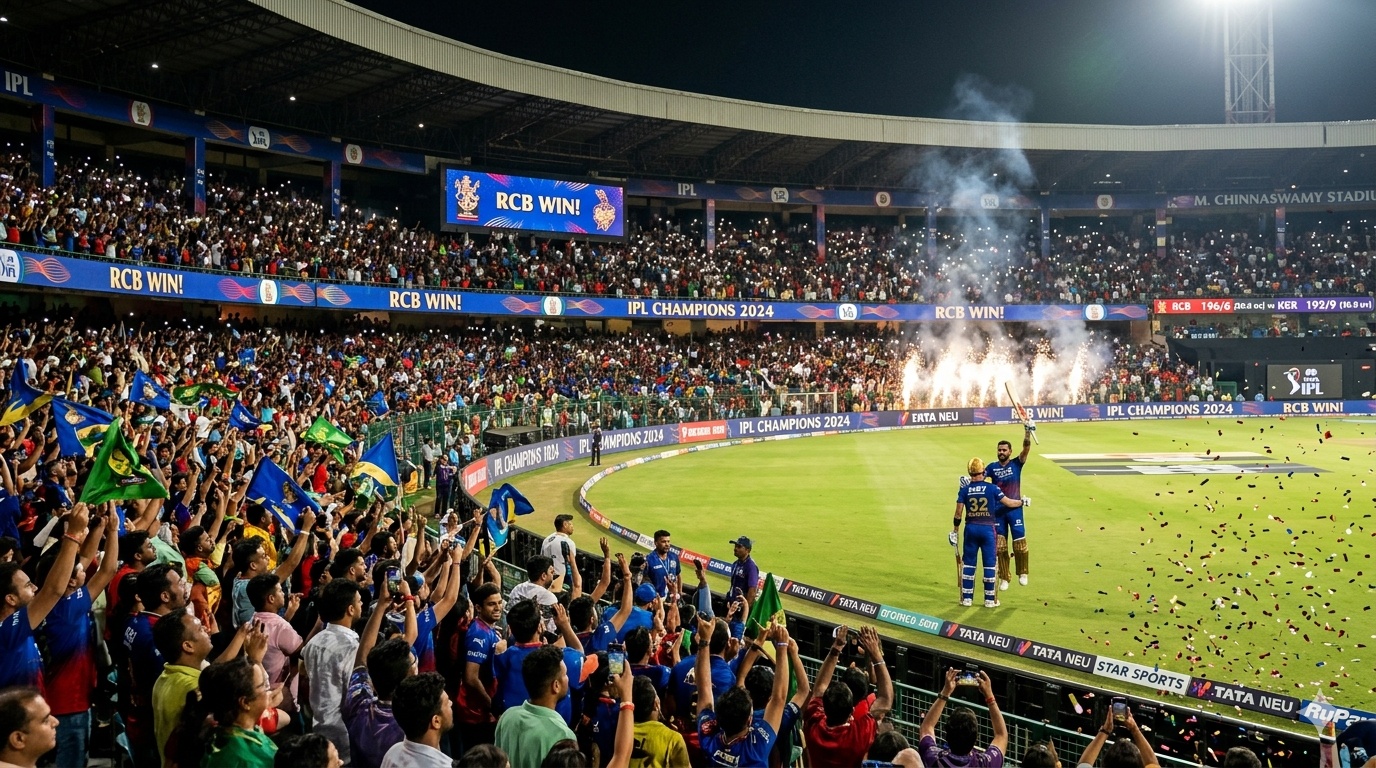
Social media, broadcasting deals, and digital platforms have played a significant role in bringing the tournament closer to fans. The excitement and competitive spirit have made it a must-watch event for cricket lovers.
Future of Women’s Cricket World Cup
The future of the Women’s Cricket World Cup looks promising. With increased investment, better infrastructure, and growing fan support, the tournament is set to reach new heights.
The ICC is also focusing on expanding the tournament by including more teams, which will further enhance global participation and competition.
The ICC Women’s Cricket World Cup is more than just a cricket tournament—it is a celebration of talent, determination, and progress in women’s sports. From its humble beginnings in 1973 to becoming a global spectacle, it continues to inspire and empower athletes worldwide.
Olympics Medal Winners Of India
Sports Website Design And Development